




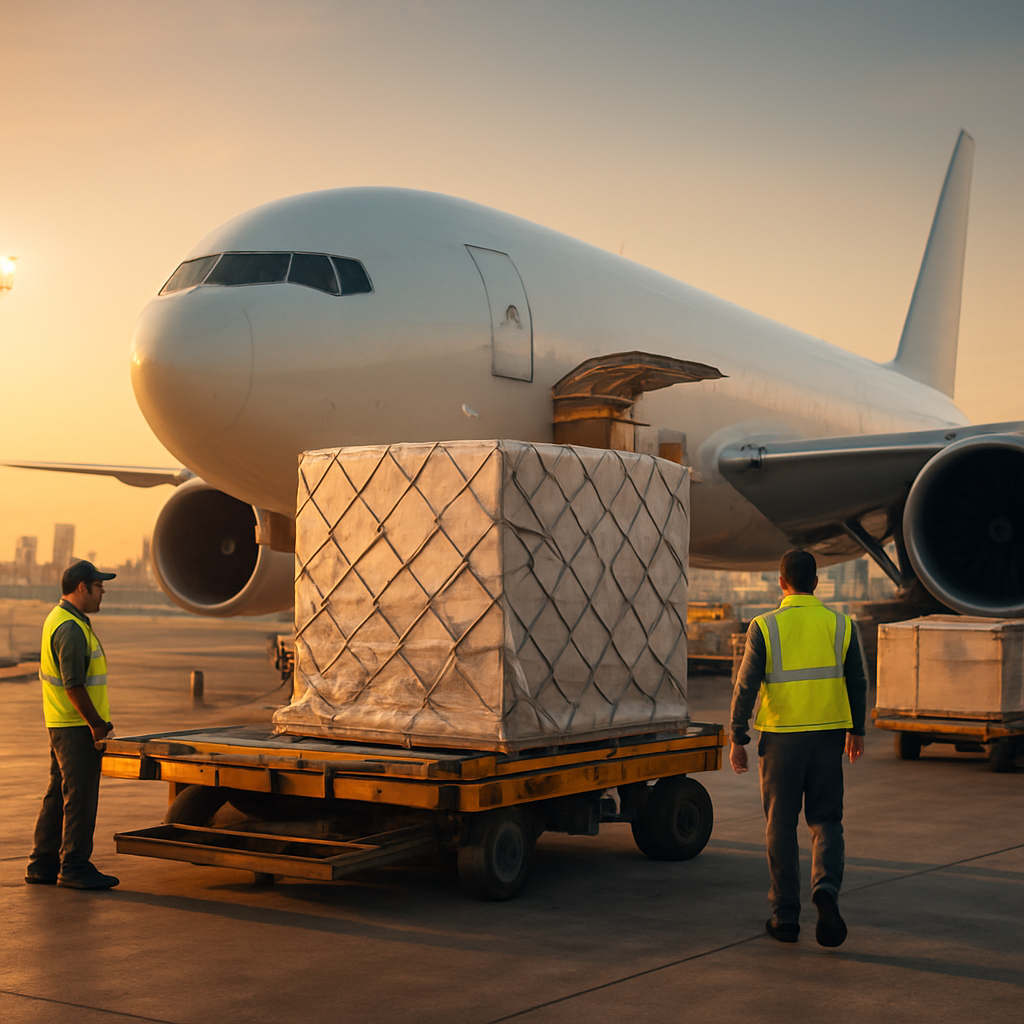
Tracking and Visibility in Air Freight: Best Practices for 2026
Tracking and visibility in air freight are rapidly shifting from “nice to have” to non-negotiable for Australian exporters and importers. By 2026, businesses relying on Air freight in Australia will need real-time status, proactive alerts and verifiable data across every leg of the journey to stay competitive in global markets and protect margins.
5 Best Practices for Tracking and Visibility in Air Freight by 2026
These five best practices help operations, supply chain and logistics leaders strengthen control, reduce disruption and make smarter decisions about International cargo shipping. Together, they form a roadmap for building a more resilient and transparent air cargo strategy that can withstand capacity crunches, schedule changes and regulatory pressure.
1. Invest in IoT Sensors for Real-Time Cargo Monitoring
IoT-enabled sensors now provide live location, temperature, humidity and shock readings for sensitive cargo such as pharmaceuticals, electronics and fresh produce. When integrated with airline and ground handling systems, they offer a single, verified source of truth across global air cargo shipping routes. By 2026, this level of visibility will be essential to minimise claims, reduce wastage and support stringent audit requirements in regulated industries.
2. Use Centralised Visibility Platforms for End-to-End Control
Centralised visibility platforms aggregate data from airlines, terminals, customs brokers and road transport providers into a single interface. For teams managing Urgent shipment logistics, they replace spreadsheet chasing with live dashboards, event-based alerts and exception workflows. Integration with TMS and WMS platforms also enables faster root-cause analysis when delays occur, and supports clearer reporting on factors affecting air freight rates and performance.
3. Harness AI and Predictive Analytics to Manage Disruption
AI-driven tools can predict disruption by analysing weather, airport congestion, carrier reliability and historic lane performance. This insight helps planners choose the most reliable route and carrier mix, beyond a simple air freight rate comparison. For time-critical shipment logistics, predictive ETAs allow customer service teams to reset expectations early and explore urgent international freight solutions before small issues become costly crises.
4. Strengthen Data Governance and Regulatory Compliance
As tracking becomes more granular, Australian shippers must manage privacy, cyber security and data-sharing obligations carefully. Robust governance frameworks, role-based access and clearly documented data flows reduce risk while still enabling customers to understand their air freight cost breakdown. Aligning processes with the Australian Privacy Act and referencing best-practice guidelines from bodies such as the Office of the Australian Information Commissioner (https://www.oaic.gov.au) reinforces trust across the supply chain.
5. Build Customer-Facing Tracking and Reporting Experiences
By 2026, clients will expect airline-style portals that show real-time milestones, documents and express air cargo pricing insights in one place. For businesses managing international urgent cargo services, this transparency reduces inbound queries and strengthens customer retention. Advanced portals can also surface Air freight pricing factors, emissions estimates and service options side by side, helping procurement and finance teams make more informed decisions about urgent international freight solutions.
- Clarify who owns each data point across the journey, from pickup to final delivery.
- Standardise status events so operations, sales and customers see the same information.
- Use dashboards to compare lanes and carriers on reliability, not just air freight cost breakdown.
- Embed automated alerts for exceptions, missed scans and customs holds.
- Review your tracking capabilities annually as technology and customer expectations evolve.
If your current air cargo processes rely on manual emails, sporadic updates and limited milestone data, now is the time to reassess. A specialist logistics partner with strong tracking, compliance and analytics capabilities can help you design a visibility strategy that cuts risk, controls costs and supports your growth. Speak with a freight specialist today to review your lanes, identify gaps, and build a 2026-ready tracking solution that keeps your supply chain moving.

Related posts
Elevating Excellence: Quality Control in Air Freight Operations
In the fast-paced world of air freight operations, ensuring the highest quality
Freight Forwarders and AI: How Digital Tools Are Increasing Visibility in Australian Air Cargo
Air cargo is one of the fastest, most complex segments of the logistics indust
Understanding Air Freight Services in Australia: A Comprehensive Guide
Understand Air freight in Australia, how it works, key costs, benefits, and serv
