




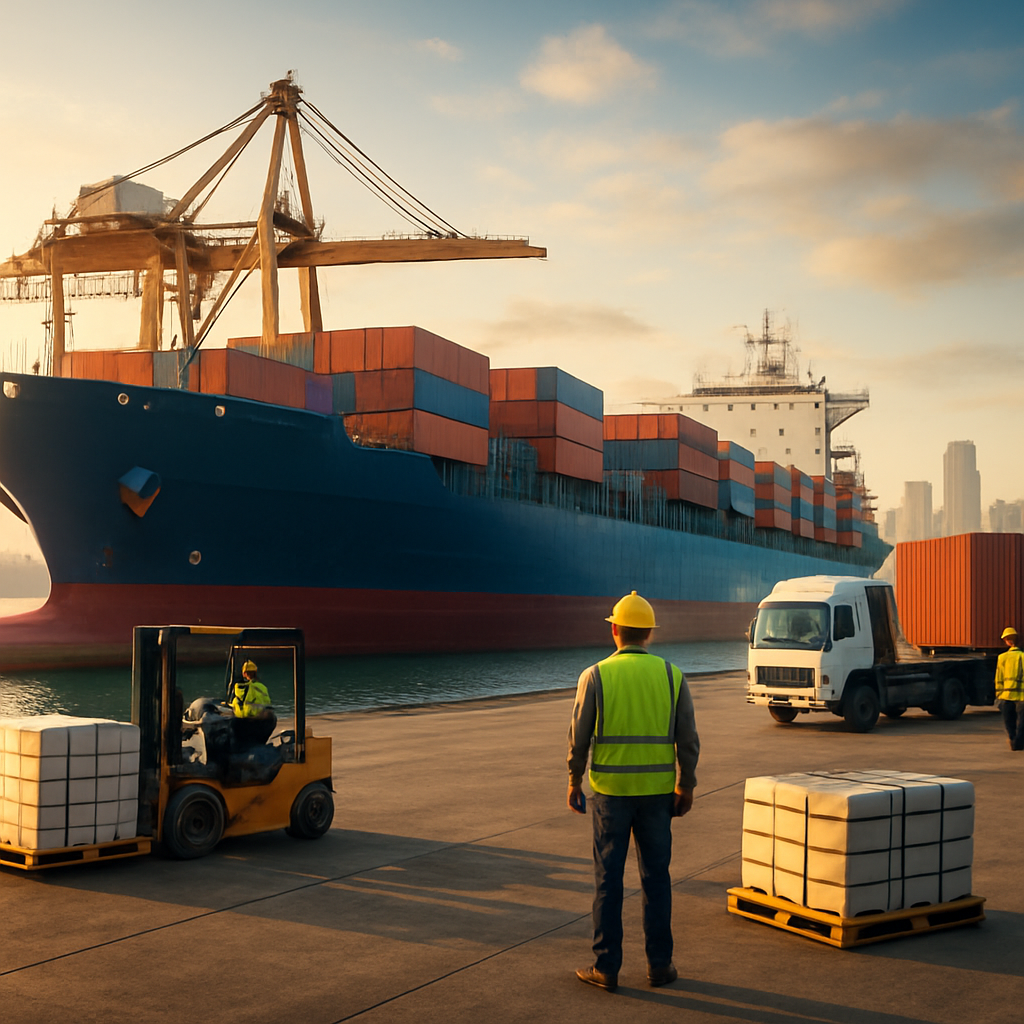
Bulk Cargo Transport: Why Choose Coastal Shipping in Australia?
Bulk cargo owners in Australia face a complex decision when choosing how to move high-volume commodities efficiently and safely across long distances. While road and rail remain familiar options, many shippers now use coastal shipping as a strategic lever to stabilise costs, cut emissions and reduce supply chain risk. The strongest competitive advantage lies in selecting a partner that combines national reach with specialist bulk coastal transport services tailored to Australian conditions.
Bulk cargo transport options and where sea freight stands apart
Road and rail networks can be effective for regional distribution, but they are increasingly constrained by congestion, driver availability and infrastructure bottlenecks. Coastal shipping, by contrast, leverages existing port assets and deepwater channels to move large volumes in a single voyage, particularly along major interstate container shipping routes. This scale makes it ideal for mining, agriculture, fuel and construction flows where consistent, scheduled movements matter more than ultra-fast transit times.
Unlike many generalist interstate shipping services, a specialised coastal operator is built around predictable, high-volume trade lanes rather than ad hoc point-to-point work. That focus enables more accurate planning windows, stronger integration with terminal operations and better alignment with rail and road connections at each port. As a result, shippers gain a clearer line of sight from pit or silo to processing plant or export terminal.
What differentiates Domestic & Coastal in Australia for bulk cargo
Domestic & Coastal in Australia distinguishes itself by designing coastal freight solutions around each customer’s freight profile, not just available vessel slots. The team assesses commodity characteristics, seasonality, storage constraints and port configurations to build service patterns that reduce double-handling and waiting time. This consultative approach often unlocks more efficient coastal freight pricing in Australia than standard tariff-based offerings.
Another key differentiator is the combination of long-term maritime expertise with modern data tools. Advanced tracking and cargo visibility systems give operations teams real-time insight from load port to discharge, supporting end-to-end interstate shipping decisions. For bulk shippers needing reliable coastal shipping solutions, this transparency helps coordinate stock levels, labour planning and last-mile transfers with fewer surprises.
Service quality, safety, sustainability and network integration
Marine operations are governed by strict Australian and international rules, and the best providers go beyond baseline compliance. Domestic-focused operators invest in disciplined safety cultures, robust maintenance regimes and rigorous crew training, helping reduce incident risk compared with fragmented door-to-door interstate freight chains. This is particularly valuable when cargoes are hazardous, sensitive or high-value.
- Integrated port, sea and landside planning for smoother handovers
- Transparent scheduling and communication during weather or berth delays
- Flexible coastal freight solutions that adapt to changing production volumes
- Emission-efficient vessels that support corporate decarbonisation targets
- Proven capability in handling diverse bulk cargo types safely
Evaluating providers and planning your next move
When comparing interstate coastal freight options, decision-makers should look beyond headline rates to total system value. Key factors include fleet suitability, port coverage, schedule reliability, track-and-trace capability, safety performance and how well each provider integrates with your local delivery options. Independent references such as the Australian Department of Infrastructure’s freight research can also help benchmark mode shifts and emissions outcomes: https://www.infrastructure.gov.au.
Building a tailored coastal shipping strategy
The most effective bulk coastal strategies often blend linehaul sea legs with local coastal freight delivery by road or rail, creating resilient end-to-end networks. A specialist partner can help test different coastal freight scenarios against your current cost base, including inventory, handling and social impacts such as road wear. Done well, this provides a clear comparison with traditional land-based models and highlights where bulk coastal transport services deliver the strongest return.
- Clarify volumes, lanes and service windows for each commodity
- Map eligible ports and assess draft, berth and storage constraints
- Model sea versus land cost, risk and emissions profiles
- Stress-test coastal capacity during peak production periods
- Align coastal operations with existing local coastal freight delivery partners
If your organisation is ready to rethink long-haul freight, now is the time to examine how coastal freight solutions can complement or replace land-based routes. Engage with a specialist team to review your network, model different options and quantify the operational, cost and sustainability benefits. With the right partner, you can compare pathways confidently and implement a coastal strategy that supports long-term growth and resilience.

Related posts
Hyundai Develop Rotor Sail Design For Eco-Friendly Ship
Based in South Korea, Hyundai has been developing a revolutionary rotor sail des
Understanding Domestic Coastal Shipping in Australia: A Guide
Understand domestic coastal shipping in Australia, its benefits, regulations and
Ammonia Bunker Vessels in Development
Currently there are two companies reported to be working on some of maritime ind
