




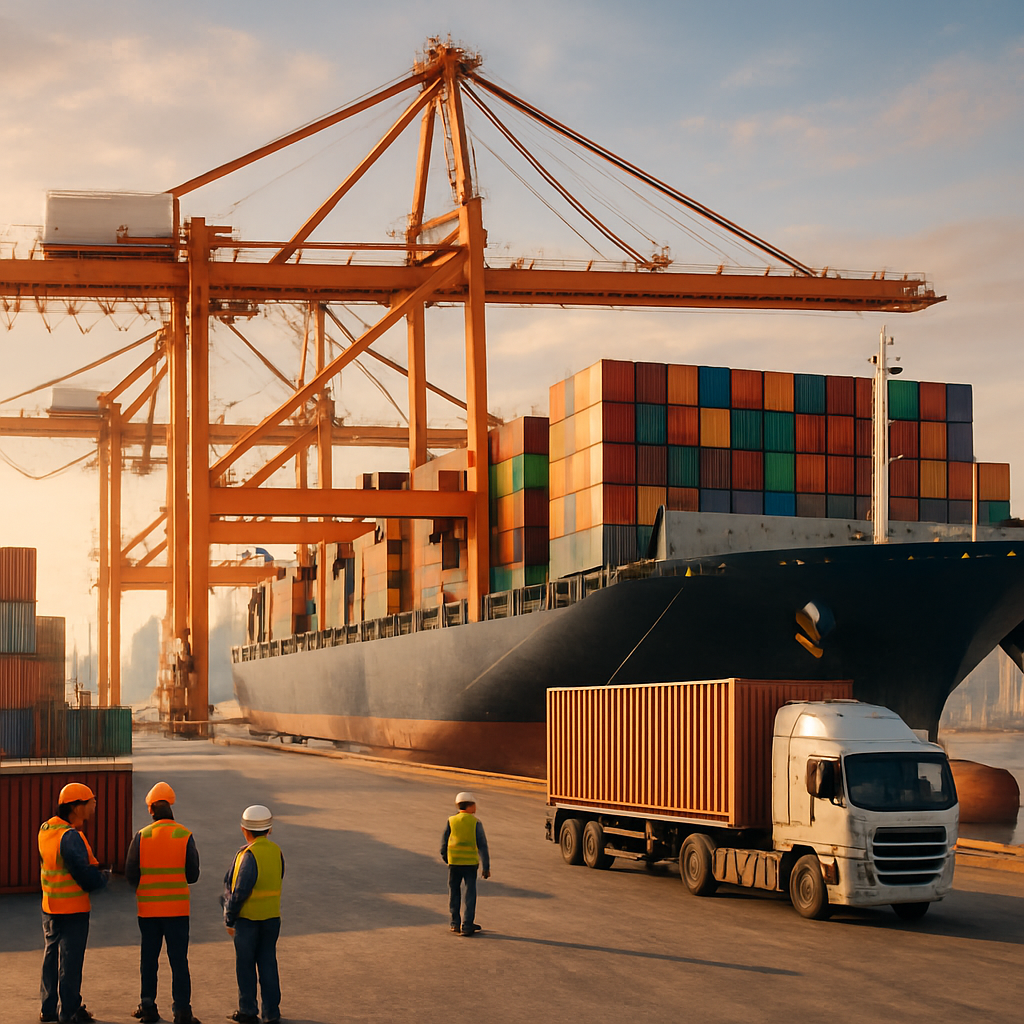
Ocean Freight Trends 2026: What Forwarders Need to Know
Ocean Freight Trends 2026: Why It Matters Now for Australian forwarders is not about short-lived disruption; it is about learning to operate in a structurally volatile market. While global analysts forecast softer average rates as new capacity hits the water, Australia is experiencing stubbornly elevated pricing and more frequent blank sailings, especially ex‑China. In this environment, Sea Freight in Australia demands a more strategic, risk-aware approach than simply chasing the lowest spot offer.
For Australian forwarders, 2026 is less a return to normal and more a reset: an opportunity to redesign ocean strategies around resilience, data, and long-term customer value.
The capacity story illustrates this reset clearly. Global carriers are delivering record new tonnage, yet fragile demand and tactical blank sailings are distorting balance on key Asia–Pacific corridors. For Australian shippers, that means lanes where extra vessels push rates down sit alongside routes where port constraints and schedule cancellations keep space painfully tight. Forwarders must pair traditional market intel with scenario-based end-to-end ocean freight planning to avoid being caught on the wrong side of these swings.
Key Ocean Freight Trends Shaping 2026
Port performance is fast becoming as important as vessel supply. Australia’s major container hubs, already ranked low on global efficiency, face berth delays, labour constraints and landside congestion that blunt the benefits of new capacity. Forwarders that actively diversify port calls, explore alternative Container shipping options, and deepen collaboration with trucking and rail providers are better placed to safeguard service reliability. This is also the moment to streamline the Customs documentation process and sea freight customs paperwork so cargo can move quickly when windows open.
Strategic Priorities for Sea Freight in Australia
Leading forwarders are shifting from transactional spot buying towards portfolio thinking, blending fixed and floating contracts across carriers, ports and trade lanes. This requires granular visibility of customer profiles, australian container freight choices and shipping containers for australian exports to decide where to commit and where to stay agile. Digital tools that support tracking international sea shipments and provide predictive alerts are now baseline capabilities, not “nice to have” extras, and underpin truly cost-effective ocean freight routing.
Sustainability is also reshaping ocean strategies. With initiatives such as Australia’s Sustainable Ocean Plan and the Green and Digital Shipping Corridor with Singapore, shippers increasingly expect credible emissions data, greener Ocean shipping logistics and transparent import customs clearance steps. Forwarders who invest in robust reporting frameworks, route optimisation and practical guidance on door-to-door container delivery will be better aligned with customer ESG agendas. To deepen your understanding of these regulatory and environmental shifts, resources from the International Maritime Organization at https://www.imo.org offer valuable context for long-term planning.
The forwarders who treat 2026 as a structural turning point, rather than a post‑pandemic hangover, will lead the next chapter of Sea Freight in Australia. Review your ocean portfolio, test alternative routings, tighten digital visibility and clarify your sustainability roadmap now. If your current approach feels reactive or fragmented, bring your leadership team together to reassess your ocean strategy and seek expert guidance on building a more resilient, future-ready operating model.

Related posts
Navigating the Seas: Technologies in Sea Freight Shipping
Sea freight shipping is a crucial aspect of international trade, enabling the tr
U.S. Container Imports Show Robust Performance in January.
According to data released by Descartes Systems Group based on U.S. customs fili
Container Shortage Affecting Indian Exporters, Causes Unrest
Apart from rocketing freight rates, Indian exporters face another supply chain c
