




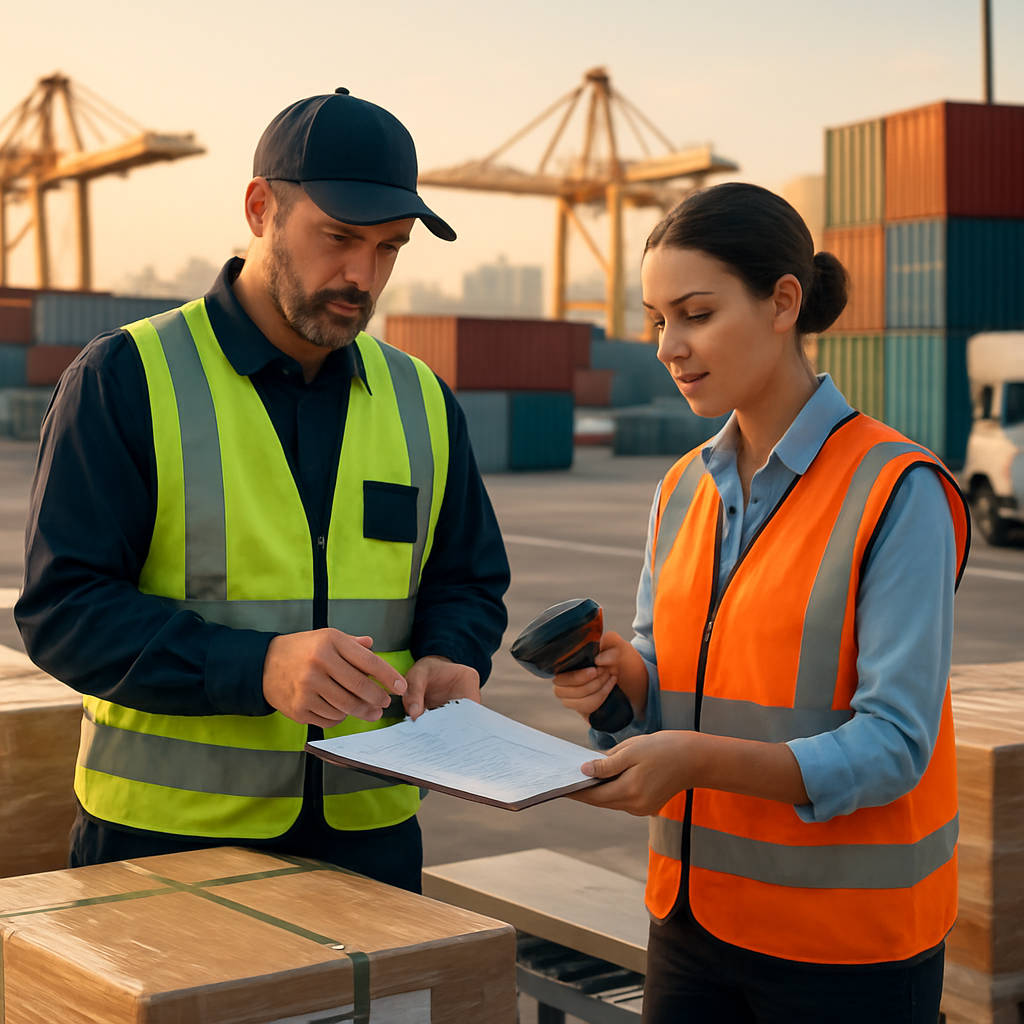
Import Customs Clearance in Australia: Key Steps for 2026
Importing into Australia is becoming more complex as 2026 approaches, and many businesses are underestimating the growing risks around Customs Clearance in Australia. Heightened digital surveillance, stricter biosecurity rules and tighter Australian import export rules mean errors are more visible than ever. Yet customs is still treated as a final paperwork step rather than a strategic control point. This disconnect is creating hidden costs, operational delays and regulatory exposure for importers of all sizes.
- Recurring inspection holds or document checks on routine shipments
- Last‑minute scrambles to locate or correct customs paperwork for importers
- Unclear accountability for the customs documentation process inside the business
- Inconsistent landed costs and duty calculations for similar consignments
- Limited visibility over air and sea freight regulations affecting key product lines
Rising complexity and scrutiny at the Australian border
Australia’s regulators are using advanced data tools to tighten international shipping compliance and target high‑risk consignments. The Australian Border Force and the Department of Agriculture, Fisheries and Forestry routinely match declarations against historical data, supplier patterns and declared values. Importers relying on legacy systems or outdated tariff decisions may not realise their profiles are now more visible. As automation accelerates, even minor inconsistencies in border control paperwork in Australia can trigger holds, inspections or audits.
Hidden operational and commercial impacts
The direct duty bill is rarely the biggest cost of weak customs controls. Demurrage, detention and emergency freight to cover stockouts often dwarf any initial saving from cutting corners on customs documentation requirements. Delays at quarantine for food or pharmaceuticals can shorten shelf life, damage retailer relationships and generate write‑offs. Over time, unreliable delivery performance encourages buyers to seek more predictable suppliers, particularly in tightly regulated sectors with strict Australian international freight compliance expectations.
Warning signs your current processes are not coping
Importers typically see warning signs long before a formal investigation, but they are easy to dismiss. Frequent broker queries, unexplained variations in duty payable and reliance on a single “expert” to interpret import export regulations are all red flags. So are manual spreadsheets tracking tariff codes and permits, and a lack of a structured trade compliance documentation checklist. When key controls rely on email chains and memory, gaps only become visible when a consignment is stopped or re‑assessed.
Why a more strategic customs approach is now essential
By 2026, treating customs as a compliance formality rather than part of broader international trade compliance steps will be increasingly risky. Regular reviews of valuation methods, tariff classifications and licences can uncover systemic weaknesses before regulators do. Guidance from credible sources such as the Australian National Audit Office and industry bodies, alongside practical insight into customs paperwork for importers, helps businesses benchmark their approach. Proactive oversight is fast becoming a prerequisite for sustainable growth in global supply chains.
For Australian importers planning new product lines or higher volumes, the real risk lies in assuming current practices will keep pace with tightening international frameworks. Reviewing how your business manages Australian import export rules, documentation flows and internal accountability can reveal vulnerabilities early. If recurring delays, cost surprises or confusion over the customs documentation process sound familiar, it may be time to speak with an expert and assess your exposure before the next shipment becomes an expensive lesson.

Related posts
Transshipment: The Movement Of Goods
Transshipment , the movement of goods from an importing ship or aircraft to anot
Container Shipping Congestion in L.A.
Due to the huge amount of container shipping congestion in L.A., sailing ar
What is the Harmonised System of Codes in Respect of Trade Goods?
The Harmonised System is a framework of codes and descriptions used to identify
