




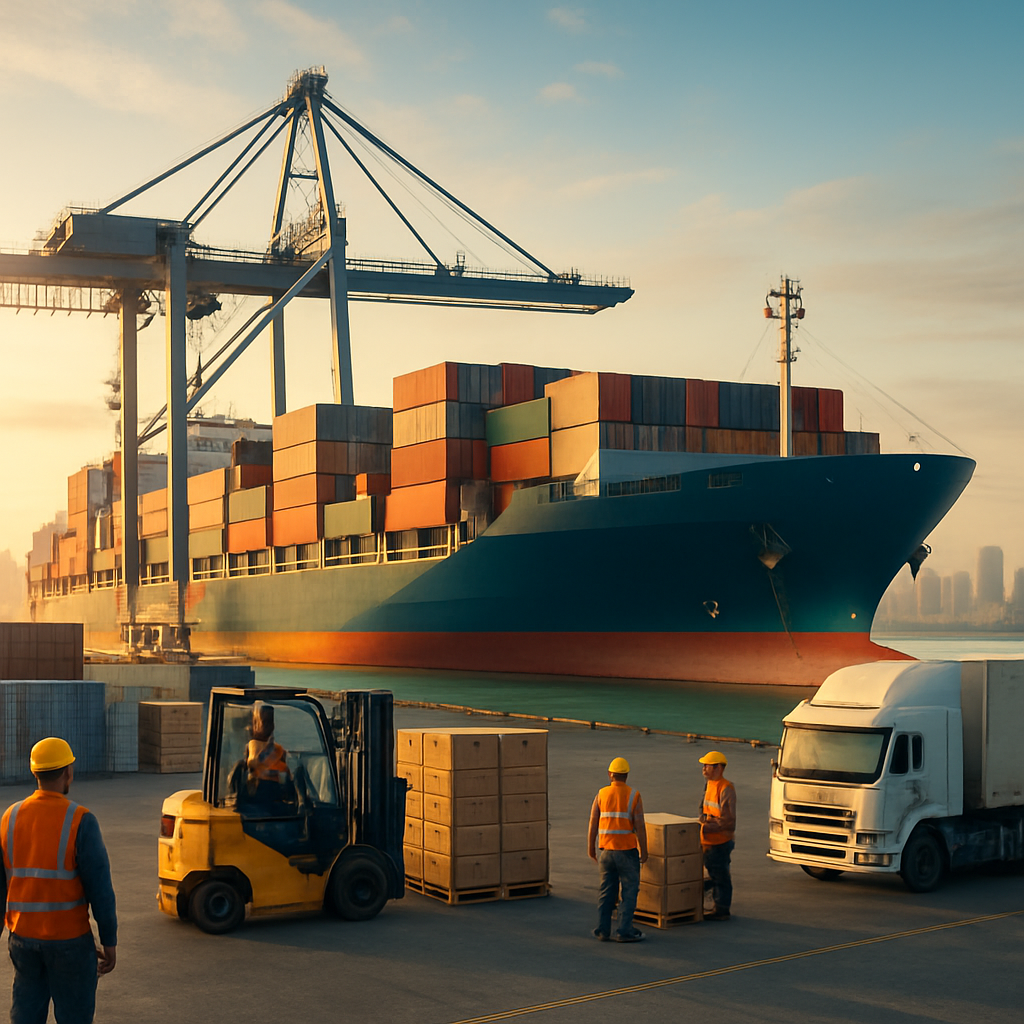
Cost-Effective Coastal Freight Services for Australian Businesses
Australian businesses are quietly leaking margin on east–west and north–south freight without realising it. As volumes grow between Brisbane, Sydney, Melbourne and Perth, many operators still default to trucks or rail, despite mounting pressure to cut logistics spend and emissions. The real issue is strategic blind spots: decision-makers lack clear, comparable data on road, rail and sea, so they underestimate the role that Domestic & Coastal in Australia can play in stabilising cost and service performance.
- Freight budgets climbing faster than revenue or freight volume
- Growing dependence on long-haul trucking for interstate freight tasks
- Limited visibility of true landed cost, including inventory and demurrage
- Operational teams managing modes separately, with no joined-up view
- Underuse of coastal freight solutions even on clearly maritime corridors
Why coastal freight costs deserve closer scrutiny
For many sectors, government analysis shows transport can reach around 30 per cent of landed cost, yet freight reviews often fixate on headline rates rather than total cost of ownership. When companies lock in multi-year road contracts without testing interstate coastal freight options, they accept higher exposure to fuel price volatility, driver shortages and highway disruption. By contrast, the australian coastal freight network can move large volumes with better fuel efficiency, but these advantages are frequently overlooked in boardroom discussions.
How inefficient coastal planning shows up in operations
Warning signs rarely appear as a single dramatic failure; instead, they emerge through patterns. Rising use of last-minute trucks to rescue delayed sailings, persistent detention or demurrage at ports, and inflated safety stock to buffer unreliable transit times all signal underlying design issues. Limited shipment visibility once containers leave the terminal can also hide delay trends across long-distance coastal cargo routes, preventing data-driven renegotiation of schedules, berthing windows or port handling arrangements that would improve reliability.
Common misconceptions masking missed opportunities
One of the most persistent myths is that sea freight is always slower than road, regardless of lane. In reality, when loading windows, driver fatigue rules and urban congestion are fully factored in, door-to-door times can be comparable on many interstate shipping services. Another misconception is that regulatory compliance, permits and coastal trading rules automatically erase cost benefits. Evidence from the Bureau of Infrastructure and Transport Research Economics at https://www.bitre.gov.au/ indicates efficient operators can still achieve cost-effective interstate transport while meeting safety and regulatory standards.
Risks of ignoring coastal freight in network design
When coastal services are treated as a niche instead of a core part of domestic coastal logistics support, businesses miss chances to consolidate flows and smooth seasonal peaks. Overreliance on road can inflate emissions profiles just as customers and investors scrutinise supply chain sustainability. It can also limit flexibility; without scalable coastal delivery services in the mix, responding to demand spikes, industrial action or weather events becomes harder. In the long term, these structural choices lock in higher interstate sea freight pricing relative to what an optimised multi-modal network might deliver.
Recognising these patterns early gives operators time to reassess mode mix, service levels and local delivery options before inefficiencies become entrenched. Reviewing network design against reliable port-to-door shipping benchmarks and exploring structured coastal freight solutions can highlight where existing contracts or assumptions no longer hold. If your freight spend is rising faster than sales, or service levels feel increasingly fragile, now is the time to seek expert guidance, pressure-test current routes and quantify what a more balanced coastal strategy could save. Book a discussion with a specialist to audit your network before the next budget cycle locks today’s problems into tomorrow’s costs.

Related posts
Ship Orders Surge as Carriers Rush to Add Capacity
Global shipyards that were retrenching and consolidating in a faltering maritime

Green Shipping Corridors Pledged By UK, US, Norway and Netherlands
As decarbonisation becomes more and more of a hot topic, the UK, US, Norway and

Underwater Noise From Boats Negatively Impact Marine Environment
Underwater noise from boats can negatively impact the marine environment and vul
