




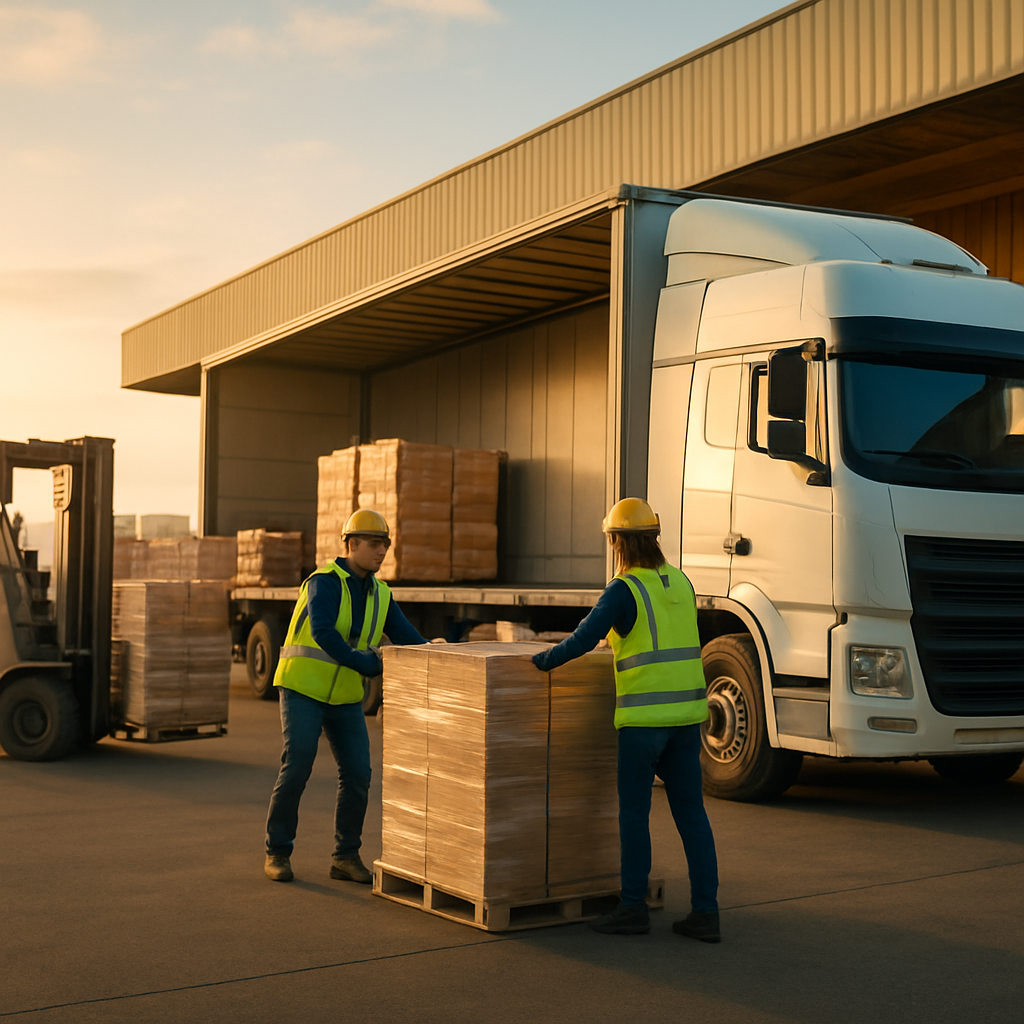
Managing Oversized Cargo in Australia: A Complete Guide
Managing oversized cargo in Australia demands more than just a big trailer and a capable driver. Operators must navigate strict regulations, complex planning, and long-distance risks while keeping projects on time and budget. This guide explains how professional handling of oversized freight supports safer moves, sharper compliance, and stronger commercial outcomes.
1. Understand the Regulatory Framework for Oversized Cargo
Every state and territory sets specific rules for maximum height, width, length, and mass, and non-compliance can halt a project overnight. Operators must check network maps, access conditions, and any special notices before committing to a move. The National Heavy Vehicle Regulator provides nationally consistent guidance on permits and safety obligations. Smart operators build compliance into their planning to minimise delays, fines, and reputational damage.
2. Plan Routes Strategically for Safer Road Operations
Effective route planning is critical when coordinating Road Freight in Australia over long distances and diverse networks. Loads must be checked against bridge limits, overhead clearances, and local access rules, especially near ports, depots, and construction sites. Professional freight transportation services will also consider seasonal road closures, congestion, and curfews. This planning reduces last-minute diversions that push up costs and fatigue risk.
3. Secure the Right OSOM Permits Without Delays
Oversize/Overmass permits are essential once vehicles exceed standard dimension or mass thresholds, and incorrect paperwork is a common cause of costly stand-downs. Quality logistics and shipping solutions ensure vehicle specs, axle spacings, and load details are accurate at application stage. They also manage approvals across state, territory, and local networks where responsibilities overlap. This reduces administrative friction and helps keep cranes, crews, and project schedules on track.
4. Prioritise Safety, Escorts, and Load Restraint
Oversized cargo movements often require pilot vehicles or police escorts to protect other road users and manage complex intersections. Operators must follow the national Load Restraint Guide and ensure equipment maintenance aligns with heavy vehicle standards. Using providers with proven heavy haulage transport solutions helps mitigate rollover, shifting loads, and route hazards. The National Heavy Vehicle Regulator website offers detailed technical resources for businesses lifting their safety performance.
5. Coordinate Stakeholders and Site Access Early
Large moves can involve utilities, rail operators, councils, and private site owners, making early coordination essential. Confirming cargo delivery options, crane pads, gate widths, and hardstand capacity avoids delays when the load arrives. Experienced australian freight logistics providers will map these interfaces weeks in advance, then reconfirm closer to the move date. This coordination protects critical milestones on high-value infrastructure and construction projects.
6. Engage Specialist Heavy Haulage Support When It Counts
For complex infrastructure, mining, or renewable projects, specialist operators provide end-to-end logistics services that general carriers often cannot match. They bring route surveys, risk assessments, escort management, and domestic cargo transport options together under one accountable lead. Businesses gain clearer visibility over interstate freight delivery choices and commercial road freight services, improving decision-making. If oversized movements are outside your core capability, partnering with experts can be the most cost-effective road freight shipping solutions strategy.
- Mitigate compliance and permit risks through specialised OSOM knowledge and processes.
- Improve safety outcomes with proven pilot, escort, and load restraint systems.
- Protect budgets and programs via robust planning and stakeholder coordination.
- Access scalable business freight delivery options tailored to project stages.
- Leverage data-driven oversight across complex, multi-state freight movements.
If you are planning oversized movements and need commercial road freight services that can handle both routine and high-risk operations, now is the time to speak with a specialist. A capable partner will tailor heavy haulage strategies, refine your cargo delivery options, and coordinate every step from permits to final placement. Visit the National Heavy Vehicle Regulator at https://www.nhvr.gov.au for regulatory details, then contact our team to request a quote and book a consultation for your next oversized haul.

Related posts

Road Freight Resilience: Coping with Supply Chain Disruptions
In today’s interconnected world, supply chain disruptions have become an u
Interstate Road Freight: Key Insights for Australian Businesses
Interstate road freight in Australia is becoming riskier. Learn the warning sign
Domestic Freight Transport in Australia: Trends for 2026
Explore domestic freight transport in Australia for 2026, including road, rail,
