




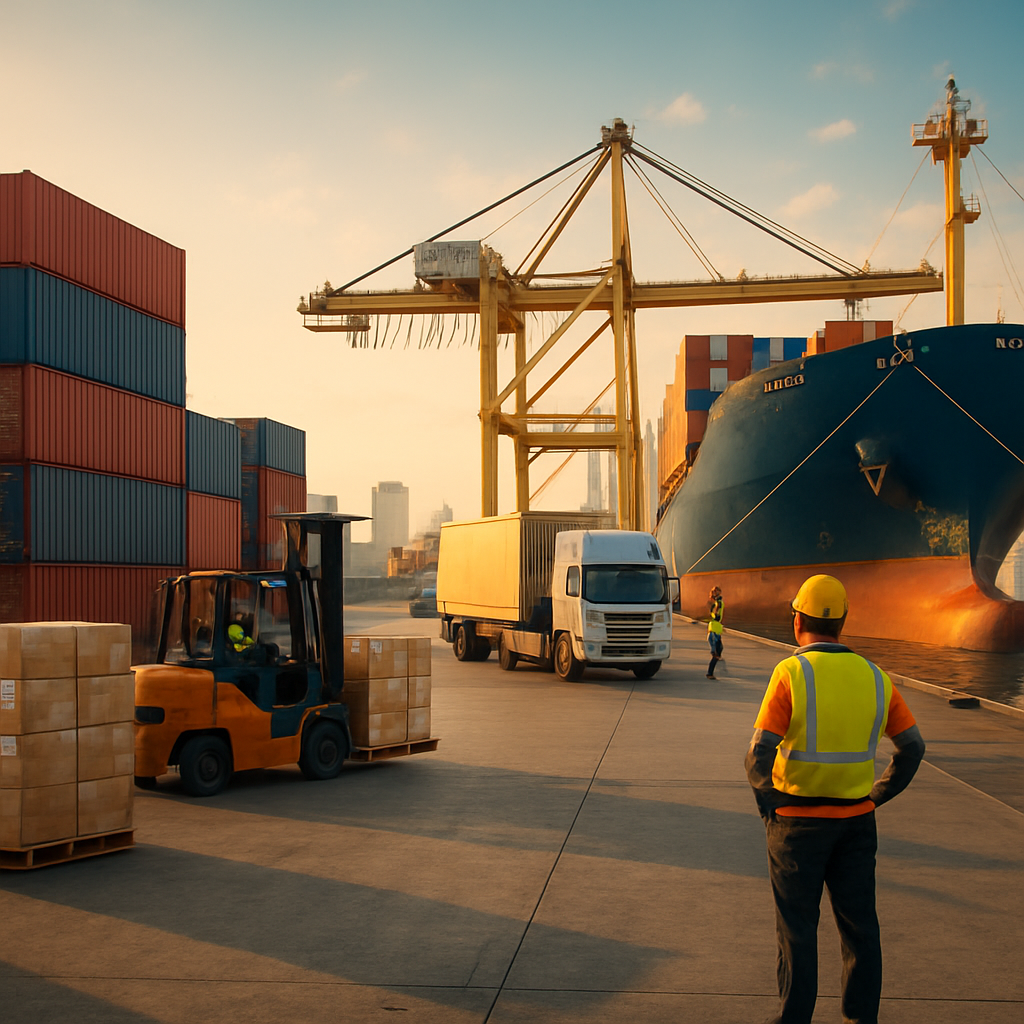
Enhancing Freight Visibility with Coastal Shipping Solutions
Coastal shipping is fast becoming a strategic lever for Australian supply chains seeking sharper freight visibility and resilience. By pairing sea freight with advanced tracking and data tools, operators can offer shippers clearer oversight of inventory, transit performance and delivery risk. For businesses managing tight margins and service-level agreements, this transparency is as important as rate and capacity.
7 Ways Coastal Shipping Solutions Enhance Freight Visibility in Australia
Modern australian coastal shipping services now rival road and rail for real-time insight across the transport leg. From live vessel tracking to predictive analytics, coastal freight solutions help logistics managers anticipate disruption, control costs and support customer promises. For companies juggling multiple ports, modes and partners, visibility from booking to final hand-off is rapidly becoming non‑negotiable.
1. Real-Time Vessel and Container Tracking
Digital platforms combine GPS, AIS and IoT sensors to provide continuous location data on vessels and containers. Instead of losing sight of freight once it leaves the berth, shippers can monitor progress against schedule in near real time. This allows better coordination of local delivery options, labour and inventory at destination, particularly along the busy east coast corridors.
2. Unified Digital Platforms Across Modes
A key barrier to visibility is fragmented data across road, rail, warehousing and sea. Coastal operators now offer cloud platforms that centralise shipment details, milestones and documents in one view. This reduces manual spreadsheets and phone calls, and improves domestic coastal logistics planning when integrating interstate shipping services or port transfers into a single plan.
3. Predictive ETAs, Delay Alerts and Risk Management
Using historic voyage patterns, live weather and port congestion data, coastal systems generate predictive ETAs and early alerts. Logistics teams can quickly adjust production schedules, inventory buffers or coastal shipping delivery choices when disruption looms. This data-driven approach keeps customers informed and reduces costly last-minute workarounds across door-to-door interstate freight solutions.
4. Port and Terminal Collaboration
When ports and terminals receive accurate advance information on inbound freight, they can refine berth allocation, equipment use and landside trucking slots. Shippers benefit through faster turnarounds, lower demurrage and more reliable time windows. Over time, this more reliable coastal transport network supports cost-effective interstate freight planning and improved service performance.
5. Condition Monitoring for Sensitive Cargo
IoT sensors tracking temperature, humidity, impact and door status give shippers reassurance over pharmaceuticals, food and high-value equipment. Alerts flag exceptions in transit, allowing intervention before spoilage or damage escalates. For regulated sectors, this creates an auditable trail that supports quality assurance and claims handling across interstate sea freight solutions.
- Track temperature-controlled containers for cold-chain compliance.
- Use shock and tilt data to validate handling of fragile equipment.
- Monitor door openings to reduce pilferage risk on high-value loads.
- Leverage digital records for insurance and regulatory investigations.
- Compare routes and carriers by condition performance, not just price.
Visibility tools also enable accurate sustainability reporting, allowing shippers to quantify emissions savings when shifting freight from road to sea. Public analysis from the Bureau of Infrastructure and Transport Research Economics supports the lower-emissions profile of coastal routes at https://www.bitre.gov.au. For organisations pursuing ESG targets, this evidence underpins greener interstate coastal freight options without sacrificing service quality.
As voyage and port data accumulates, analytics reveal bottlenecks, service reliability and underused capacity. Decision-makers can refine routing, mode mix and coastal freight spend, using evidence rather than anecdotes. Working with experienced providers such as Domestic & Coastal in Australia helps companies design coastal freight solutions that integrate with existing systems and operations. To explore how coastal shipping can strengthen your visibility, costs and reliability, speak with a specialist team today to review routes, schedules and tailored service options.

Related posts

Battery-Powered Ships funded By Norwegian Government
The Norwegian government was to reach net zero carbon emissions across all indus
Container Shipping Prices Skyrocket as Rush to Move Goods Picks Up
Prices to ship containers from Asia to the U.S. and Europe are rising at a histo

Miss the Rush, Buy Christmas Presents Now!
Buy Christmas presents now to avoid delays in shipping experts warn. The COVID-1
