





Achieving Supply Chain Visibility: Tools and Techniques
Achieving robust supply chain visibility has become a board-level imperative for Australian businesses wrestling with volatile demand, high freight costs and frequent disruption. This article explores six practical ways to improve visibility while supporting Supply Chain Optimization in Australia, helping networks become more resilient, predictable and customer-centric. From control towers to analytics, each step is designed to give planners the right information at the right time.
1. Build a Control Tower as Your Single Source of Truth
A modern control tower integrates data from transport providers, warehouses, ERP platforms and customer orders into a single live view. Instead of reconciling spreadsheets, teams can monitor exceptions and focus on what is late, at risk or urgent. For national networks moving freight across multiple states and ports, this is the foundation for Logistics efficiency strategies and faster issue resolution.
2. Deploy Real-Time Tracking and IoT for Shipment Insight
GPS telematics, IoT sensors and mobile scanning provide end-to-end freight visibility, from linehaul to last mile. Logistics managers can see precise ETAs, monitor temperature for cold chain freight and track dwell times at ports and distribution centres. These end-to-end supply chain visibility tools allow operators to re-route around weather events, manage capacity and keep customers informed with accurate status updates instead of broad delivery windows.
3. Apply Advanced Analytics and AI for Predictive Visibility
Advanced analytics turn raw tracking and operational data into forward-looking insight, highlighting where disruption is likely before it hits customers. By combining Demand forecasting methods with sensor and shipment data, planners can anticipate bottlenecks, pressure points and service risks. McKinsey’s research on data-driven logistics efficiency shows that organisations using predictive models typically lift service levels while reducing working capital tied up in stock.
4. Integrate Systems Across Partners for Seamless Data Flow
True visibility demands integration beyond your four walls, connecting ERP, WMS, TMS and supplier portals in real time. API-led integration reduces manual re-keying, improves ETA reliability and underpins integrated inventory and demand planning across your partners. Australian operators still juggling email, phone calls and PDFs will see immediate gains in forecast accuracy improvement strategies and customer promise reliability once data flows automatically instead of being re-entered.
5. Strengthen Traceability with Digital and Blockchain Solutions
For food, pharma and resources, digital traceability platforms and blockchain offer tamper-resistant records of product origin, handling and quality checks. The Australian Government’s guidance on traceability, including resources from the Department of Agriculture, Fisheries and Forestry at https://www.agriculture.gov.au/agriculture-land/farm-food-drought/food/traceability, highlights how these tools support recalls, export credentials and brand protection. Strong traceability also strengthens supplier performance and demand alignment across complex value chains.
6. Link Visibility to the Right KPIs and Continuous Improvement
Technology alone will not deliver outcomes without sharp metrics and governance. Leading teams track indicators like real-time order visibility rate, perfect order fulfilment, and incident response time alongside transport and freight optimisation methods. Regular cross-functional reviews reveal process gaps, weak Inventory management techniques and warehouse inventory control tactics that need attention. This disciplined approach turns visibility into sustained performance improvement, not just more dashboards.
- Clarify your top three visibility pain points across planning, execution and customer service.
- Assess current systems and data sources to identify integration and reporting gaps.
- Prioritise quick wins that lift service while enabling australian demand planning best practices.
- Engage stakeholders across operations, IT, sales and finance in a shared visibility roadmap.
- Partner with experts who understand both technology and practical supply chain operations.
If your team is struggling with blind spots, firefighting and unreliable ETAs, now is the time to rethink your visibility strategy. A structured roadmap combining technology, process and governance can unlock data-driven decisions and stronger customer promises. Speak with a local specialist today to evaluate your current maturity, explore data-driven visibility solutions and design a practical program for Supply Chain Optimization in Australia that delivers measurable results.

Related posts

Australia Pushes Exports Despite Trump’s Trade Warnings
Australia’s agriculture exports have surged to an unprecedented high, helping
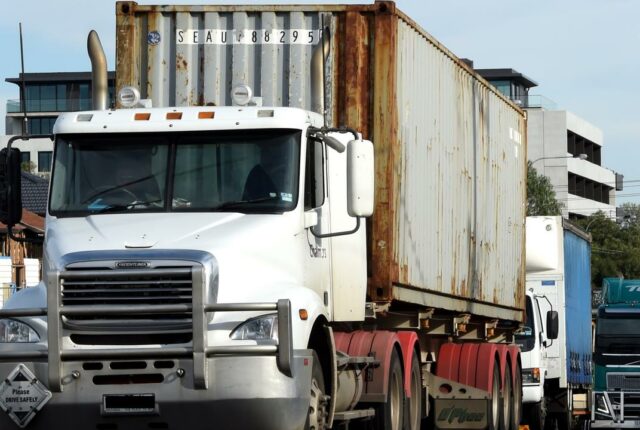
Melbourne Truck Bans Spark Anger in Container Sector
News of a weeknight and weekend ban on trucks using Williamstown Road in Melbour

Import Delays? Understanding Air Freight Surcharge Trends Impacting Aussie Retailers
Australia’s supply chains are under pressure in 2026 as air freight prices and
