




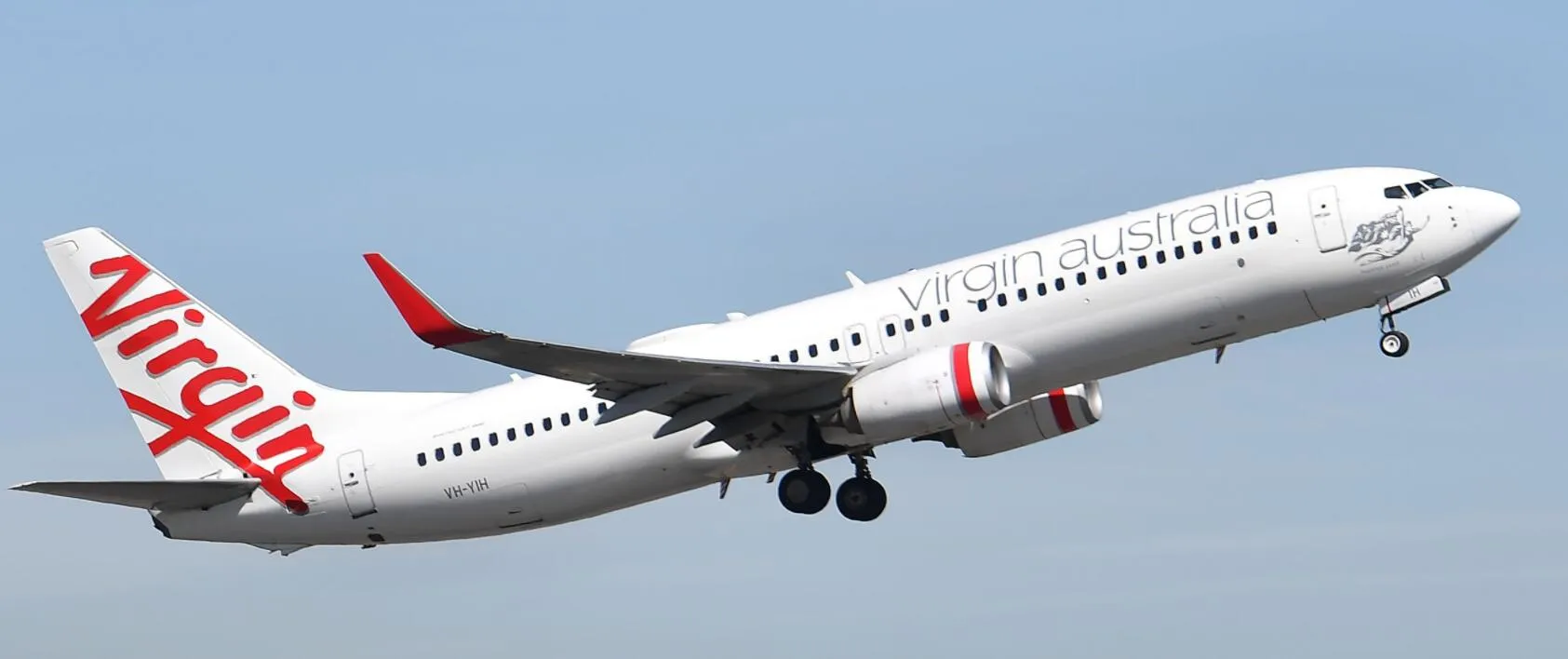
Import Delays? Understanding Air Freight Surcharge Trends Impacting Aussie Retailers
Australia’s supply chains are under pressure in 2026 as air freight prices and carrier surcharges continue to rise. What used to be a predictable cost of doing business has become a moving target for retailers importing stock from overseas. From electronics and fashion to medical supplies and spare parts, more Australian businesses are feeling the impact of delayed shipments and higher landed costs.
These changes are not just affecting importers. When freight expenses increase, they often filter through to everyday consumers in the form of higher retail prices and limited stock availability. Understanding what is driving these surcharges and how they affect the broader supply chain is now essential for both businesses and shoppers.
How the air freight market is shifting in 2026
Global air cargo demand remains strong, driven by e-commerce growth, faster product cycles, and ongoing supply chain adjustments. In the Asia–Pacific region, which is Australia’s primary trading corridor, capacity is often stretched during peak seasons. When available cargo space becomes limited, airlines respond by increasing base rates and applying additional surcharges.
At the same time, carriers are constantly adjusting routes, schedules, and aircraft usage based on demand. These changes can quickly push prices up or down, making it difficult for Australian retailers to forecast shipping costs accurately. What was affordable one quarter can become significantly more expensive the next.
What actually makes up your air freight bill
Many businesses assume the quoted freight rate is the full cost, but in reality, air freight pricing is made up of multiple layers.
Fuel surcharges are one of the biggest drivers of rising costs. As global jet fuel prices fluctuate, airlines adjust these fees to protect their margins. Security screening fees, customs processing charges, and airport handling costs are also built into most shipments.
Terminal handling charges, biosecurity inspections, and documentation fees can quietly add hundreds or even thousands of dollars to large shipments. In 2026, these “hidden” fees are becoming a bigger part of total landed costs.
Why surcharges spike during peak seasons
Peak season surcharges are temporary fees applied when demand for cargo space surges. This usually happens in the lead-up to major retail periods such as Christmas, back-to-school, and major product launches.
When demand outpaces available aircraft capacity, airlines raise surcharges to manage volume and prioritise high-value cargo. Retailers that leave bookings too late often face premium rates just to secure space.
The result is higher freight costs, longer lead times, and greater uncertainty around delivery schedules.
How import delays are affecting Australian retailers
Even when freight is booked on time, delays are becoming more common. Congestion at overseas airports, customs backlogs, and limited ground handling resources can all slow down shipments.
For retailers, a delayed shipment can mean missed promotions, empty shelves, or the need to discount stock that arrives too late for peak demand. Over time, these disruptions erode profit margins and strain customer trust.
Air freight versus sea freight: the cost trade-off
Sea freight remains far cheaper per kilogram than air freight, but it can take weeks longer to arrive. Many Australian retailers now use a hybrid approach, shipping bulk stock by sea and urgent items by air.
As air freight costs rise in 2026, more businesses are reassessing which products truly need fast delivery and which can tolerate longer transit times.
How retailers can manage rising freight costs
Forward planning is now one of the most effective ways to reduce air freight expenses. Booking cargo space well in advance can help avoid peak surcharges and last-minute premiums.
Negotiating longer-term contracts with freight forwarders can also stabilise pricing. Some retailers are investing in data tools to forecast demand and align shipping schedules with sales cycles, reducing the need for costly urgent air shipments.
What this means for everyday shoppers
When retailers pay more to move goods, those costs often appear in higher shelf prices. While consumers may not see a line item for freight, it influences the final price of imported products.
As long as air freight remains volatile, price fluctuations and occasional stock shortages are likely to continue.
Final thoughts
Air freight remains essential for fast-moving goods, but it is no longer the predictable solution it once was. With surcharges and delays becoming the new normal, Australian retailers must rethink how they move stock and plan inventory. Those who adapt early by forecasting demand, booking strategically, and diversifying transport methods will be best positioned to manage rising costs in 2026 and beyond.
If you have noticed higher prices or longer wait times for imported goods, share your experience and help others understand what is happening behind the scenes.
FAQs
- Why are Australia air freight costs rising in 2026?
Rising fuel surcharges, capacity constraints, and peak season demand, plus ground handling fees, drive up costs. - What is a peak season surcharge in air freight?
It’s a temporary fee during high-demand periods like holidays to balance space and operational costs. - How can retailers manage air freight surcharges?
Book early, negotiate long-term freight contracts, and plan inventory based on demand forecasts.

Related posts
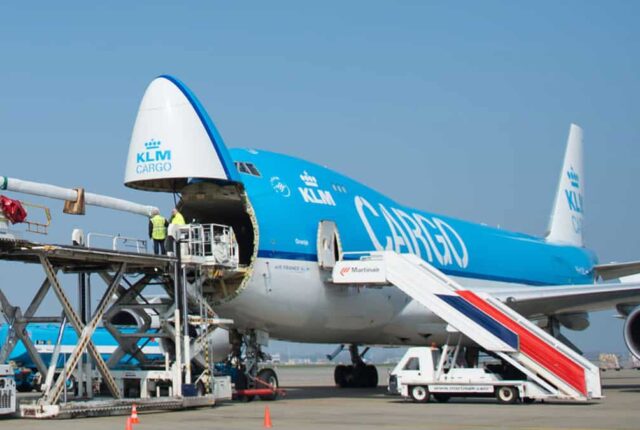
As Capacity Slowly Increases, Air Freight Demands Returns to Normal
Even though capacity is making a slow increase, demand for airfreight has contin
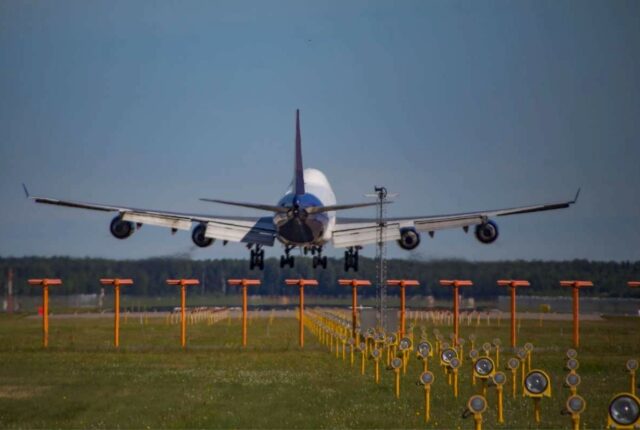
US Crackdown on Chinese E-Commerce Impacts Customs Brokers
A crackdown by the US Customs & Border Protection (CBP) agency and a large s
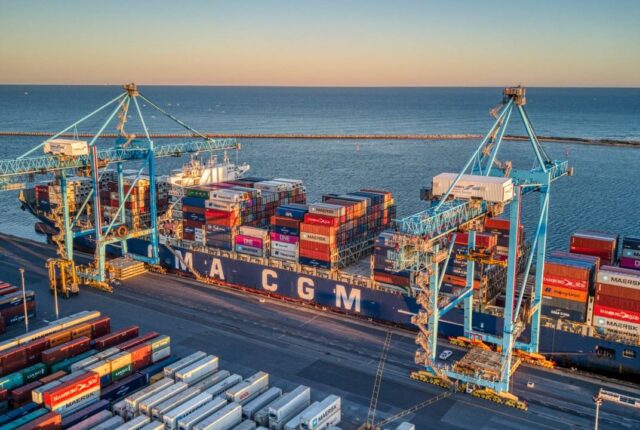
Red Sea Crisis Ripple Effects: What It Means for Aussie Importers in 2025
Trade flows are rarely static. When a major maritime chokepoint such as the Red
