




Domestic Sea Freight in 2026: Key Insights for Shippers
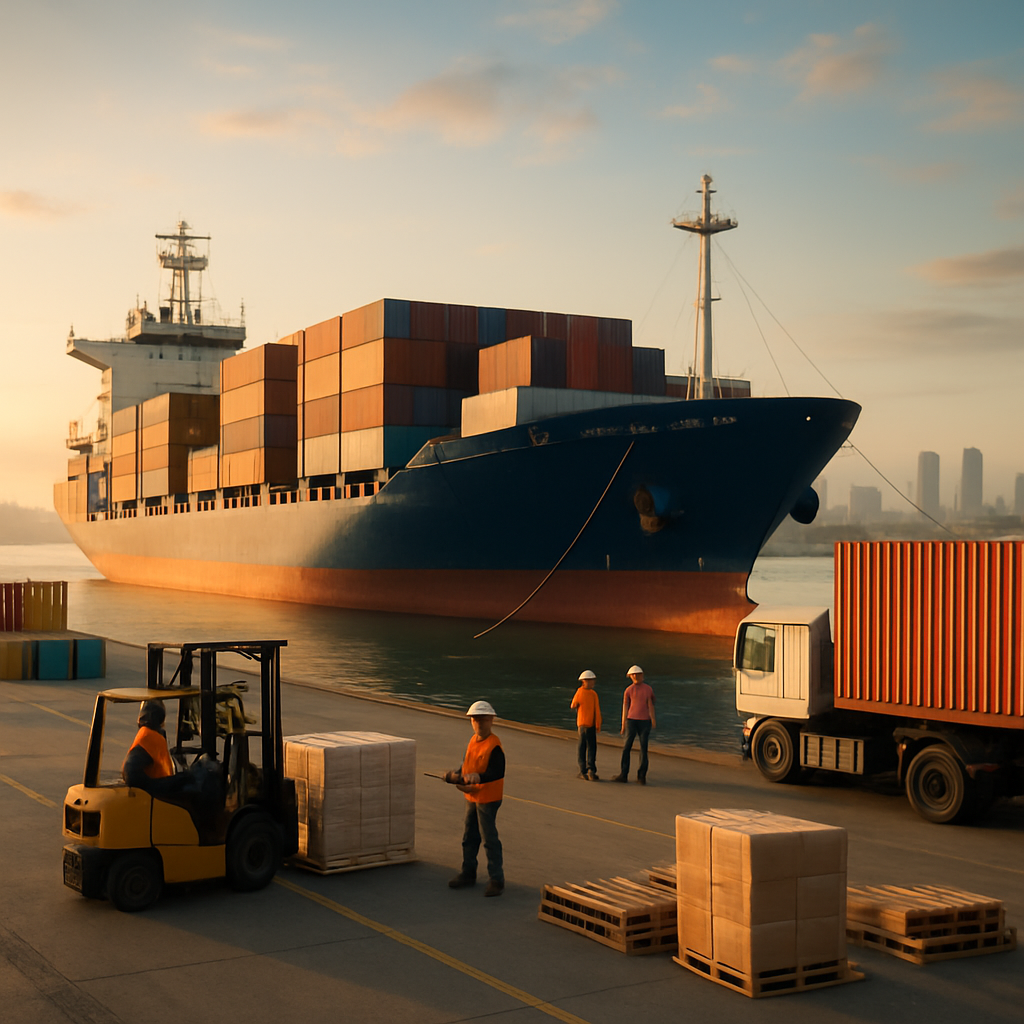
Domestic sea freight in 2026 is reshaping how Australian shippers balance cost, reliability and emissions across long domestic lanes. As road linehaul costs rise and driver shortages persist, many freight owners are reassessing domestic sea freight solutions on key corridors such as Australia’s east coast and routes linking the mainland with Tasmania. The focus is shifting from whether coastal shipping is viable to which combination of services, schedules and landside connections can best support national distribution.
Understanding Domestic Sea Freight in 2026
Domestic sea freight in 2026 largely revolves around three service models: roll-on/roll-off (RoRo) for vehicles and trailers, containerised services for general cargo, and bulk or break-bulk for commodities. RoRo is suited to time-sensitive freight that needs fast loading and discharge, such as automotive and retail equipment moving via interstate port-to-port shipping. Container services support palletised goods and mixed consignments feeding distribution centres, while bulk ships remain critical for high-volume flows of grain, minerals and construction inputs between ports.
When Domestic Sea Freight is the Right Choice
Sea-based interstate shipping services are most competitive over long inter-capital distances where road and, in some cases, rail face capacity and labour constraints. Coastal freight solutions can also materially reduce transport emissions, with studies showing shipping handles a substantial share of national tonne-kilometres while producing only a small proportion of transport emissions. For shippers moving predictable volumes with some schedule flexibility, scalable interstate sea freight can provide a stable backbone for regular replenishment, backed by local delivery options at each end of the journey.
Comparing Service Models and Providers
Choosing between RoRo, containers and bulk requires assessing volume, cargo type, handling needs and time sensitivity. Domestic & Coastal in Australia offers integrated domestic sea freight solutions that link sea legs with linehaul and last-mile services, simplifying bookings, documentation and exception management. Shippers should compare transit times, sailing frequency, equipment availability and port cut-off requirements, particularly during seasonal peaks or when weather systems threaten disruption. Some operators specialise in coastal interstate cargo services, while others focus on niche australian coastal delivery services for specific industries.
- Clarify which lanes and volumes genuinely suit cost-effective coastal transport versus road or rail.
- Map port access, landside trucking and local coastal freight delivery needs at both origin and destination.
- Assess schedule reliability, equipment availability and contingency plans during peak seasons.
- Factor in emissions profiles using sources such as the Bureau of Infrastructure and Transport Research Economics at https://www.bitre.gov.au/.
- Compare total landed cost and lead time across multiple interstate coastal freight options before committing.
Regulatory settings, including coastal trading permits and safety requirements, influence which vessels operate on domestic routes and how competitive they are with road and rail. By combining government freight data with on-the-ground advice from expert providers, shippers can build a realistic picture of capacity, risk and cost across modes. For many businesses, the next step is to pilot coastal freight on one or two lanes, then scale up as operational confidence grows. Ready to reassess your coastal shipping strategy? Compare your options, speak with an expert provider and request a tailored domestic sea freight plan aligned with your 2026 freight task.

Related posts
What is the Harmonised System of Codes in Respect of Trade Goods?
The Harmonised System is a framework of codes and descriptions used to identify

Unaccompanied Baggage Shipping and The Football World Cup
The World Cup has been played on the continents of Europe, South America, N
China Trade Bottleneck Worse than the Suez Canal Fiasco?
When the giant container ship the MV Ever Given wedged itself across the Suez Ca
