




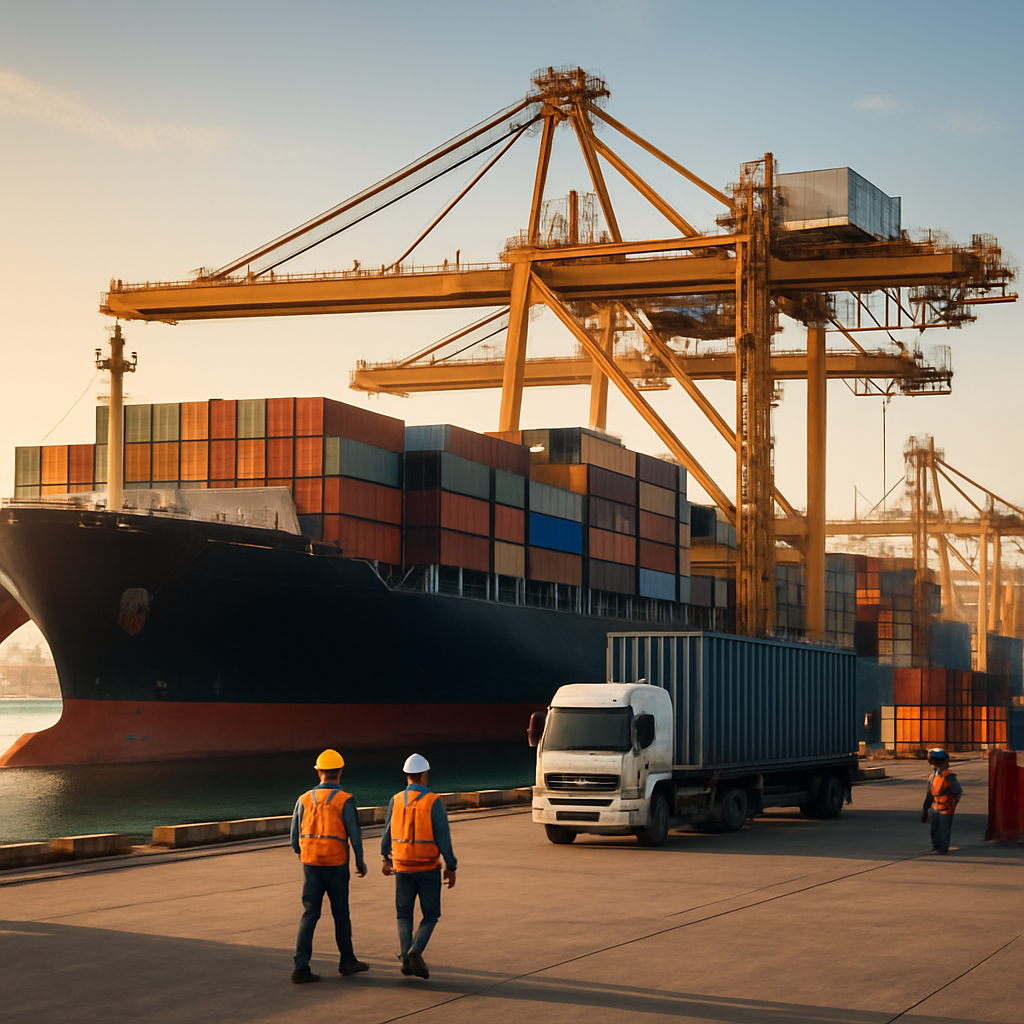
Global Ocean & Air Freight Outlook 2026: Key Insights
The Global Ocean & Air Freight Outlook 2026: Key Insights points to a volatile market, leaving many Australian businesses unsure how to plan reliably. Between shifting schedules, tight capacity, and rising surcharges, it can be difficult to know who to trust with Sea Freight in Australia and when to consider air. Building confidence starts with understanding how your logistics partner manages risk, communicates clearly, and protects your supply chain when conditions change quickly.
In an unpredictable freight market, trust is not about perfect forecasts; it’s about transparent information, clear options, and a partner who explains every step before you commit.
Global Ocean & Air Freight Outlook 2026: Key Insights for Australian Shippers
In 2026, carriers are carefully controlling capacity, using tools like blank sailings, peak-season surcharges, and dynamic pricing. For importers and exporters balancing Ocean shipping logistics with urgent air freight, the most reliable partners are those who share realistic transit times, explain cost drivers, and help you compare scenarios before booking. Instead of chasing the lowest spot rate, they focus on predictability and value, outlining when air uplift protects margin and when schedule-flexible sailings deliver cost-effective container transport without compromising your commitments.
Choosing Trusted Partners for Ocean Freight in 2026
With elevated rates and congestion risk, trustworthy providers explain their carrier mix, space protection strategy, and end-to-end ocean freight management processes in plain language. They walk you through Container shipping options, alternative ports, equipment availability, and the sea freight compliance requirements that can impact your timelines and landed cost. For businesses seeking australian ocean freight logistics support, this clarity reduces surprises and helps you justify decisions internally, from budgeting to inventory planning, based on facts rather than guesswork.
How Transparent Processes Build Confidence Across Modes
Reliable freight forwarders give you visibility over each milestone, supported by clear escalation paths when disruption occurs. They detail the Customs documentation process, sea freight customs paperwork, and international shipping documentation steps so you understand exactly what is required from your team and when. By benchmarking performance and sharing market intelligence, they help you evaluate global container shipping choices alongside air solutions, ensuring your australia import export documentation and compliance obligations are met without unnecessary delays or penalties.
Confidence also comes from independent data and credible references. Resources such as the Australian Government’s National Freight Data Hub at https://datahub.freightaustralia.gov.au/updates-insights/insights/navigating-australias-freight-future provide context on long-term trends, infrastructure pressures, and modal shifts that influence your planning. When your provider aligns their advice with recognised insights and backs it with practical examples from recent disruptions, you can move forward knowing your strategy is grounded in evidence, not speculation. To review your options and build a resilient freight plan for 2026 and beyond, speak with our team today and explore a tailored roadmap that balances risk, service, and reliability.

Related posts
How Logistics Companies Are Coping With Covid-19
When you say the word “Covid-19” in the logistics companies, most freight fo
Transshipment: The Movement Of Goods
Transshipment , the movement of goods from an importing ship or aircraft to anot
Adapting Sea Freight Strategies to Global Economic Shifts
Sea freight, a backbone of international trade, has seen significant transformat
