
Dangerous Goods Compliance: What Every Business Must Know
Dangerous Goods Compliance: What Every Australian Business Must Know
1. Understand Your Legal Duties for Dangerous Goods Compliance
For Australian operators, dangerous goods compliance is a legal requirement, not a choice. The Work Health and Safety Act, state-based dangerous goods laws, and the Australian Dangerous Goods (ADG) Code set strict rules for classification, storage, and transport. Boards and managers must demonstrate due diligence in controlling chemical risks. Failure to comply can trigger improvement notices, prosecutions, and reputational damage that can disrupt contracts, insurance, and supply chains.
2. Classify and Label Hazardous Goods Accurately
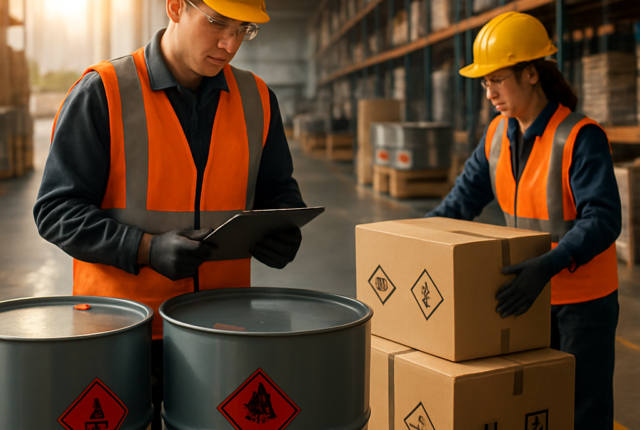
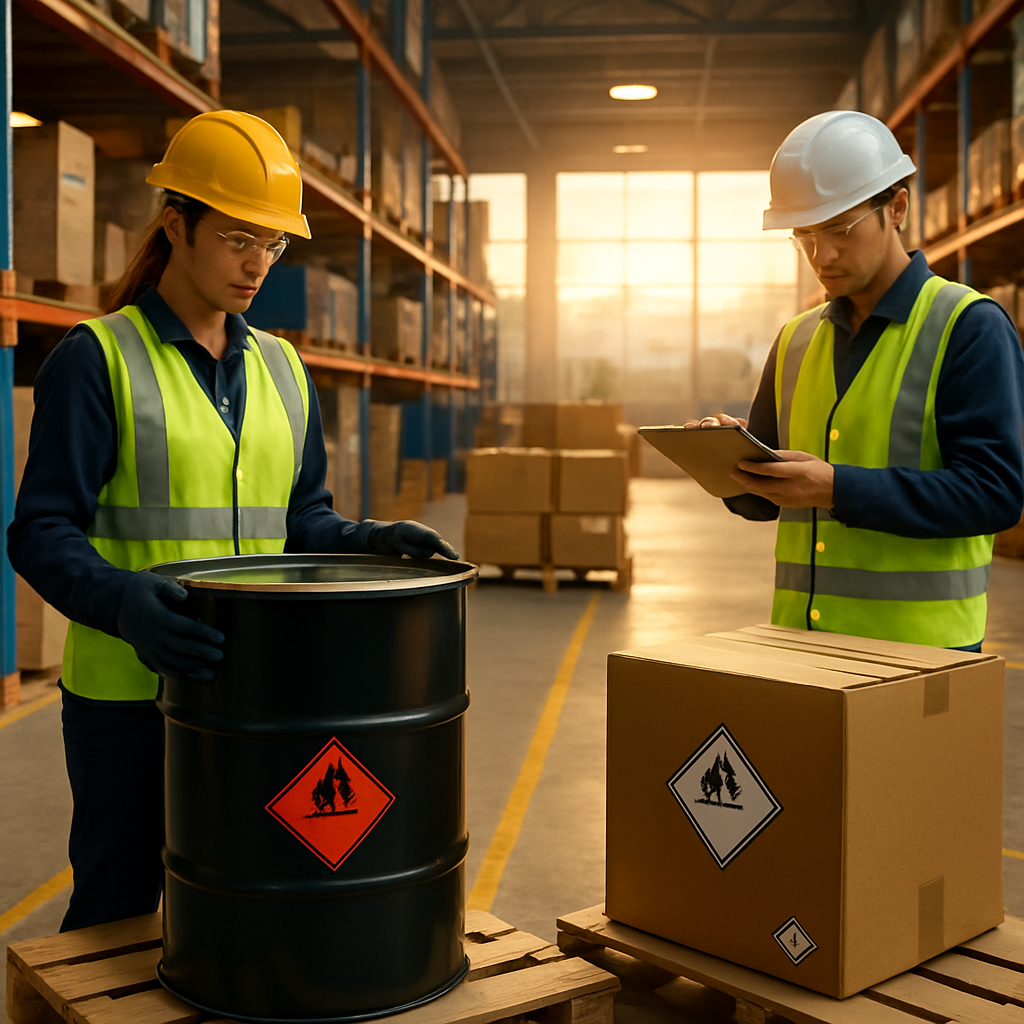
Misclassification and poor labelling are among the most frequent compliance failures. Every product must be linked to the correct UN number, class, and packing group, with consistent placarding across warehouses and vehicles. Up-to-date Safety Data Sheets must be accessible for staff involved in dangerous materials handling. Regular audits of labels, manifests, and SDS ensure consistency with the ADG Code and support chemical shipment compliance guidelines across your operations.
3. Store and Handle Hazardous Materials to Best-Practice Standards
Storing hazardous substances safely goes well beyond locking them in a cage. Regulators expect proper segregation of incompatible goods, suitable ventilation, and bunding sized for credible spill scenarios. Safe handling of chemical freight includes inspecting containers, checking decanting equipment, and managing ignition sources. Poor housekeeping, unlabelled drums, and improvised storage areas remain key warning signs that Hazardous Goods in Australia are not being managed to regulatory expectations.
4. Lift Competency with Targeted Training and Procedures
Even robust systems fail when workers and contractors do not understand the risks. Training should cover hazard classes, PPE, emergency actions, and chemical transport safety protocols tailored to each role. Clear work instructions for handling dangerous freight materials reduce variability between shifts and sites. Documented refreshers and verification of competency provide vital evidence if regulators review your operations after an incident or near miss.
5. Strengthen Emergency Readiness and Incident Response
When spills, leaks, or fires occur, regulators will quickly test the reality of your emergency planning. Effective transport safety procedures for hazmat and on-site stock must include spill kits, fire systems, communication plans, and coordination with local emergency services. Notifiable incidents must be reported without delay. Resources from Safe Work Australia at https://www.safeworkaustralia.gov.au provide practical guidance on hazardous chemical logistics regulations and emergency preparedness expectations.
- Document australian chemical shipping rules in your logistics and procurement contracts.
- Review shipping regulations for chemicals before introducing new products or routes.
- Benchmark compliant chemical cargo transport practices through independent audits.
- Align safety protocols for transport with your broader WHS risk management framework.
- Engage specialists to assess gaps in dangerous goods compliance across multiple depots.
To protect your workforce, meet regulatory expectations, and keep freight moving, now is the time to confirm your dangerous goods compliance. Speak with our specialists today to schedule a site review, identify cost-effective improvements, and build a documented, defensible approach to managing hazardous goods across your Australian operations.

Related posts
The Cost of Non-Compliance in Hazardous Goods Transportation: Lessons Learned
Transportation of hazardous goods is a critical part of the modern economy, from

Hazardous Goods Transportation by Air, Sea, and Land: A Comparative Analysis
When it comes to transporting hazardous goods, safety should always be the top p