




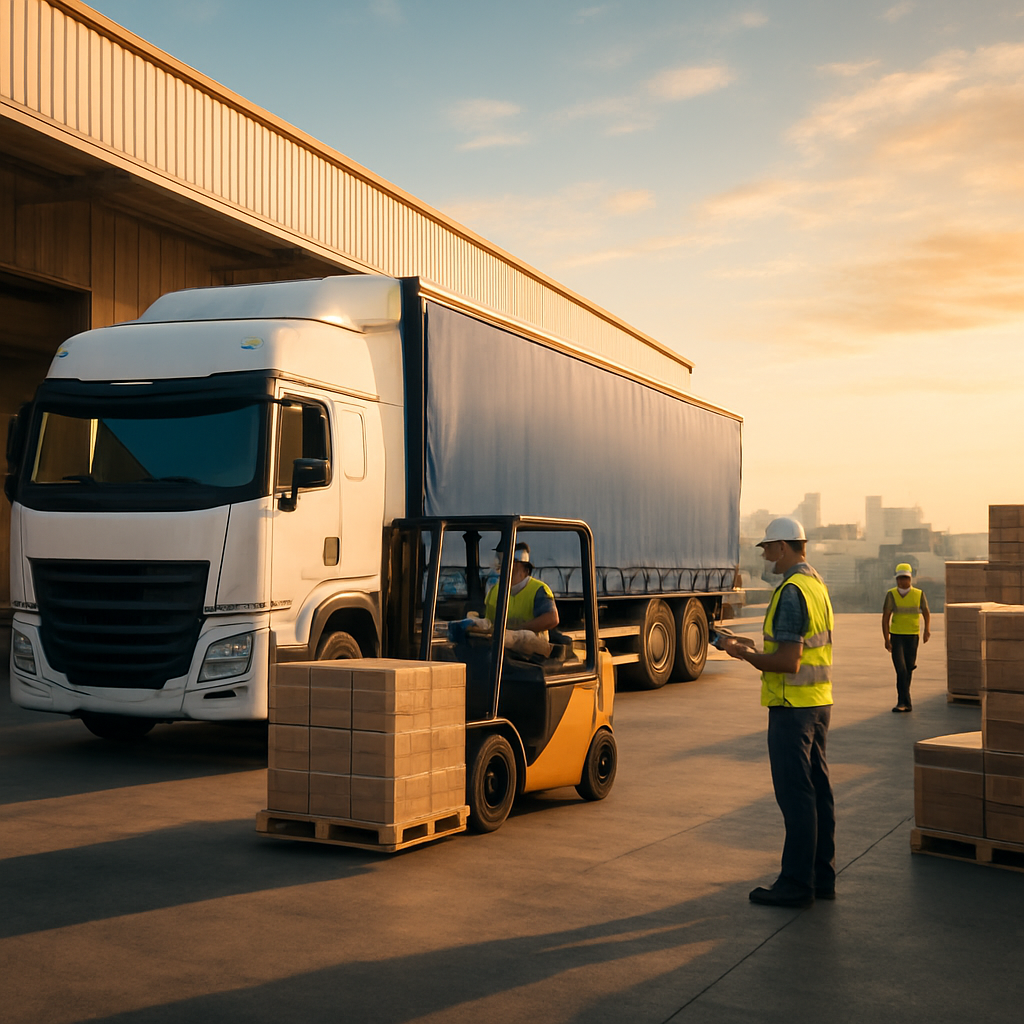
Interstate Road Freight: Key Insights for Australian Businesses
Interstate road freight in Australia is under increasing pressure from ageing infrastructure, rapid technology change, environmental expectations, and a worsening driver shortage. For many businesses, these pressures stay hidden until a missed delivery, compliance breach, or serious incident exposes how fragile their transport arrangements really are. The complexity of managing multiple jurisdictions, fatigue rules, and vehicle standards means that risk often sits deep in day‑to‑day operations, not just in contracts or policies.
- Unclear responsibility for compliance across different states and territories
- Limited visibility of where freight is, who is driving, and how assets are performing
- Reactive maintenance and breakdowns on critical interstate corridors
- Growing freight costs without clear productivity gains or explanations
- Rising safety incidents, near misses, or fatigue-related concerns in the field
Why interstate road freight in Australia is becoming riskier
Interstate road freight in Australia operates across a patchwork of regulations, highway conditions, and enforcement practices. Businesses relying on freight transportation services may not realise how quickly a minor compliance gap can escalate into penalties, downtime, or lost contracts. The Chain of Responsibility framework means directors and managers can be held liable, even when transport is outsourced, making blind spots in scheduling, loading, and record‑keeping especially dangerous.
How operational pressures show up in everyday freight movements
In practice, problems often appear as recurring delays on key routes, unexplained demurrage charges, or drivers pushing unrealistic schedules to keep up with interstate logistics and shipping demands. Disconnected logistics and shipping solutions can leave teams relying on manual spreadsheets, phone calls, and emails to track loads. Over time, this creates a fragile system where one breakdown, road closure, or absences in the driver pool can cascade into widespread missed time slots and frustrated customers.
Compliance, safety, and environmental risks that businesses overlook
Many companies assume their carriers are fully on top of fatigue management, mass and dimension limits, and vehicle maintenance, but do not regularly verify this. Without clear oversight, road freight transportation services can drift into risky practices, such as stretching service intervals or inconsistent load restraint checks. As pressure mounts to cut emissions, older fleets and inefficient routing also undermine sustainability targets, with regulators and major clients increasingly scrutinising australian freight logistics options for their environmental performance.
Warning signs your interstate freight model is no longer fit for purpose
Early indicators include growing reliance on a single carrier, frequent last‑minute changes to cargo delivery options, or repeated “near miss” incidents noted in safety reports. Rising insurance premiums, more warranty claims, or customer complaints about late or damaged deliveries are further red flags. If your team struggles to compare business freight logistics solutions or benchmark cost-effective cargo transport, it may signal that legacy processes and contracts are masking deeper structural weaknesses in your road-based shipping solutions.
For decision‑makers, the challenge is recognising when routine disruptions have crossed the line into systemic risk. Reviewing how your organisation uses Road Freight in Australia, along with its commercial cargo delivery services and domestic cargo delivery options, can reveal hidden inefficiencies and compliance exposures. Independent guidance, including insights from regulators such as the National Heavy Vehicle Regulator at https://www.nhvr.gov.au, can help you stress‑test your interstate freight model before a serious incident forces change. Now is the time to assess your cargo delivery options, speak with an expert, and strengthen your freight settings before avoidable problems become entrenched and costly.

Related posts
Australia’s Freight Dilemma: Road vs. Rail in the Face of Increasing Demand
Australia’s freight industry is at a crossroads. With an ever-increasing deman
Can Rail Solve Australia’s Freight Capacity Problem? The Growing Shift from Road to Rail
Australia’s freight network is under pressure. Population growth, port activit

Hauling Profits: Strategies for Success in Road Freight Transport
In the fast-paced world of road freight transport, achieving hauling profits is
