





How Customs Brokers Simplify Importing in Australia in 2026
In 2026, importing into Australia is being reshaped by rapid regulatory updates, digitised border systems and sharper expectations around supply chain transparency. In this environment, Customs Clearance in Australia is no longer a back-office task; it is a strategic lever for resilience and cost control. Customs brokers have become critical translators between Australian import export rules, business objectives and emerging technology, helping importers turn compliance into a competitive edge rather than a constraint.
Customs brokers increasingly sit at the intersection of regulation, technology and strategy, turning border complexity into predictable, data-driven outcomes for Australian importers.
The modern customs documentation process is anchored in integrated data flows, real-time tariff updates and pre-lodgement validation. Leading brokers use automation to cross-check HS classifications, declared values and origin data against shipping regulations for Australia, reducing errors that trigger costly inspections. By embedding controls directly into workflow platforms, they help clients maintain air and sea freight compliance without slowing operations, even as product ranges expand and trade lanes diversify.
The evolving role of customs brokers
Traditional brokerage focused on submitting declarations and managing border clearance documentation. In 2026, brokers are increasingly acting as strategic advisors on trade compliance for importers, modelling duty scenarios and identifying opportunities such as tariff concessions or free trade agreement benefits. This advisory shift is particularly valuable where customs and quarantine rules intersect, for example in agri-food, pharmaceuticals and high-tech sectors with sensitive components or dual-use risks.
Digital transformation and risk governance
Automation, AI-enabled risk scoring and advanced analytics are reshaping how brokers manage import export regulations and international shipping compliance. Australian Border Force’s continued digitalisation, including enhancements to the Integrated Cargo System, allows brokers to detect anomalies before lodgement and align customs paperwork requirements with internal ERP data. Referencing guidance from the World Customs Organization at https://www.wcoomd.org strengthens their ability to anticipate policy shifts and support clients through more data-driven audits.
For Australian importers, the question is no longer whether to work with a broker, but how to choose one whose capabilities extend beyond transaction processing. Decision-makers should assess a broker’s ability to integrate with internal systems, provide clear KPIs on clearance times and exceptions, and proactively review export documentation compliance exposure across key supply lanes. A broker who can align ESG risk mapping with evolving border requirements offers meaningful strategic value, not just operational support.
The practical opportunity in 2026 lies in treating brokerage as a core element of trade governance rather than an afterthought. By partnering with experts who blend regulatory depth, digital capability and sector-specific insight, importers can reduce total landed cost, increase reliability and strengthen audit readiness. To understand where your current model may be leaking value or creating risk, schedule a structured review of your importing processes with a specialist broker this quarter and benchmark your approach against leading practices in Customs Clearance in Australia.

Related posts

Import Customs Clearance in Australia: Key Steps for 2026
Understand the growing risks in import customs clearance in Australia by 2026, k
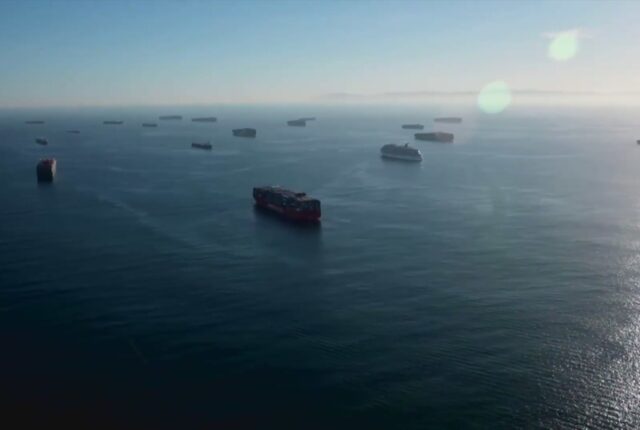
Container Shipping Congestion in L.A.
Due to the huge amount of container shipping congestion in L.A., sailing ar
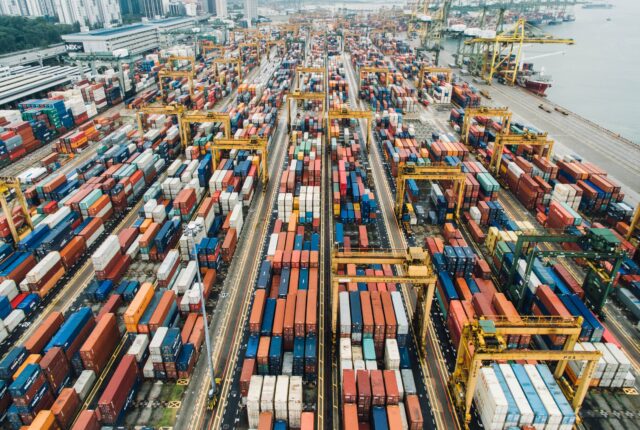
Repacking or Consolidating: Procedures
Repacking and consolidating transshipped containerised sea cargo into a new cont
