




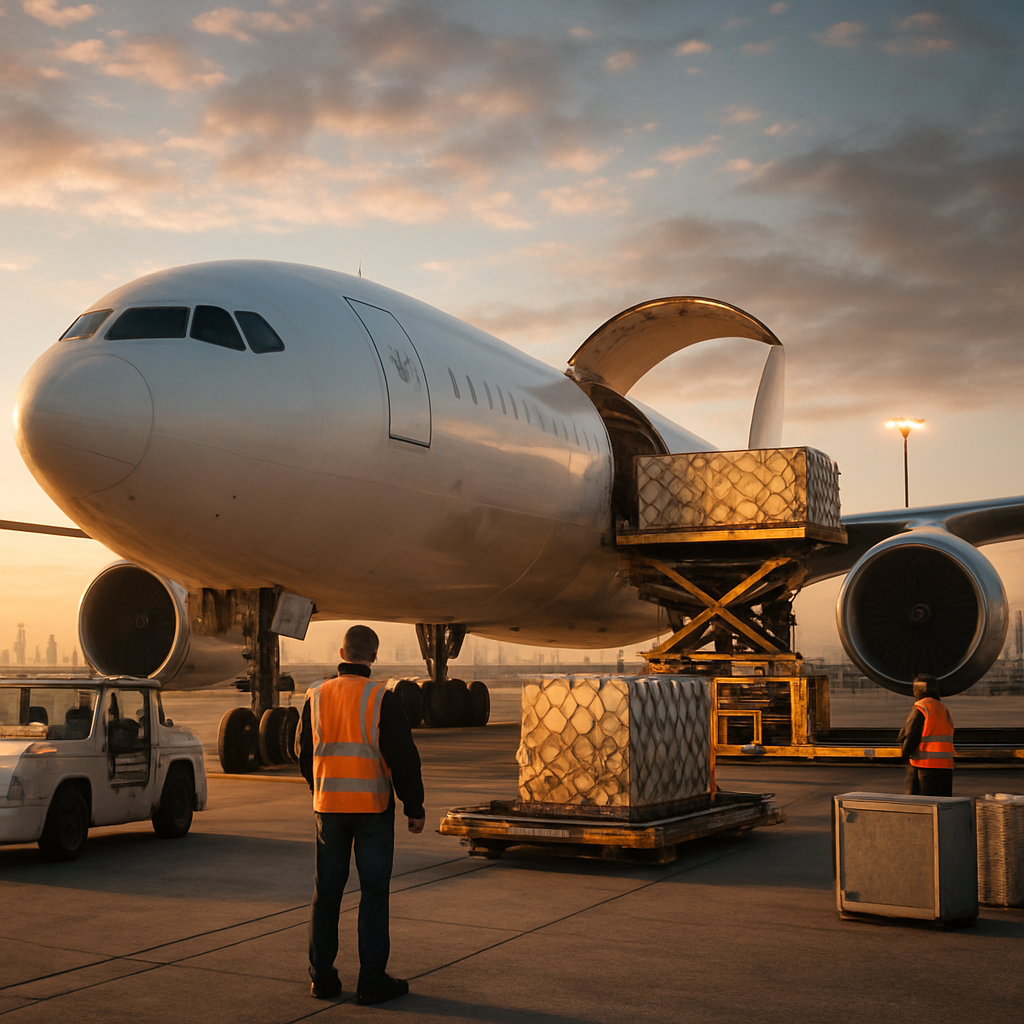
Exploring Air Cargo Charter Services for Critical Freight Needs
Exploring air cargo charter services for critical freight needs in Australia has become a pressing priority for companies battling fragile supply chains, remote project sites, and rising customer expectations. As production schedules tighten and weather or geopolitical events disrupt traditional routes, more shippers are assessing whether tailored aviation solutions can protect revenue and reputation when every hour counts.
The rise of urgent air cargo solutions
Across mining, healthcare, energy, and defence, organisations are turning to air cargo charter services to keep high-value operations moving. Unlike conventional Air freight in Australia, charters are designed around a single shipment, enabling direct routes into remote airfields and regional hubs. This flexibility is particularly valuable when urgent shipment logistics demand immediate uplift of oversized equipment, medical devices, or critical spare parts that cannot wait for the next scheduled service.
What is air cargo charter and how does it work?
An air cargo charter gives one shipper exclusive use of an aircraft, with departure times, routing, and load configuration tailored to the job. Specialist brokers or logistics providers assess cargo weight, dimensions, and sensitivity, then select aircraft ranging from turboprops to long-haul freighters. They also coordinate handling crews, security screening, customs, and permits, ensuring compliance with dangerous goods rules and biosecurity controls that underpin safe International cargo shipping and domestic operations.
When charter flights are the right solution
Charter flights typically come into play when traditional services cannot meet the risk profile of a time-critical project. In Australia, this often involves emergency air freight logistics for cyclone-hit communities, rapid uplift of mine-site components to avoid multimillion-dollar shutdowns, or secure moves of defence hardware. They can also support global air freight shipping by bridging gaps when carriers cancel routes, helping maintain time-critical shipment logistics for perishable goods, pharmaceuticals, and temperature-sensitive research materials.
Key considerations when comparing freight options
While charters offer control and speed, they sit at the premium end of air freight pricing factors, so decision-makers need clear criteria. Comparing scheduled flights, express services, and dedicated aircraft involves weighing air cargo pricing in Australia against potential downtime, contractual penalties, and customer impacts. Tools that provide air freight rate comparison and a transparent air freight cost breakdown can help supply-chain teams decide whether to accept longer transit times or invest in expedited export freight solutions as a form of operational insurance.
- Required delivery window and acceptable delay risk
- Value of the cargo versus cost of disruption
- Origin and destination airport capability and access
- Security, handling, and tracking requirements
- Regulatory, customs, and biosecurity complexity
Choosing a charter partner demands scrutiny of safety performance, fleet access, and 24/7 operational control, ideally backed by adherence to standards published by bodies such as the International Air Transport Association at https://www.iata.org. Providers with experience in urgent international air cargo moves and domestic disruption response are better placed to manage last-minute permits or weather diversions. For businesses mapping their exposure, working through emergency air freight logistics scenarios with an independent specialist can clarify when charter is the right tool and when scheduled capacity is sufficient.
Organisations looking to protect critical supply lines should review their current freight mix, identify single points of failure, and set clear triggers for deploying charters. Building a shortlist of vetted providers and agreeing indicative response times before a crisis can significantly shorten decision cycles. To understand how different options stack up for your network, speak with an aviation or logistics expert who can analyse your flows, stress-test contingency plans, and recommend practical next steps for balancing cost, control, and resilience.

Related posts
Airlines Juggle Q4 Capacity for E-commerce Boost
Air Transport Services Group (ATSG) has made a further deal to operate freighter
Freight Industry’s Green Future in Australia
Australia’s freight industry is a crucial pillar of the economy, facilitat

E-commerce Takes Flight: The Role of Air Freight in Online Shopping
In the rapidly evolving world of online shopping, the interplay between technolo
