




Oversized Cargo Logistics: Navigating Complex Australian Freight
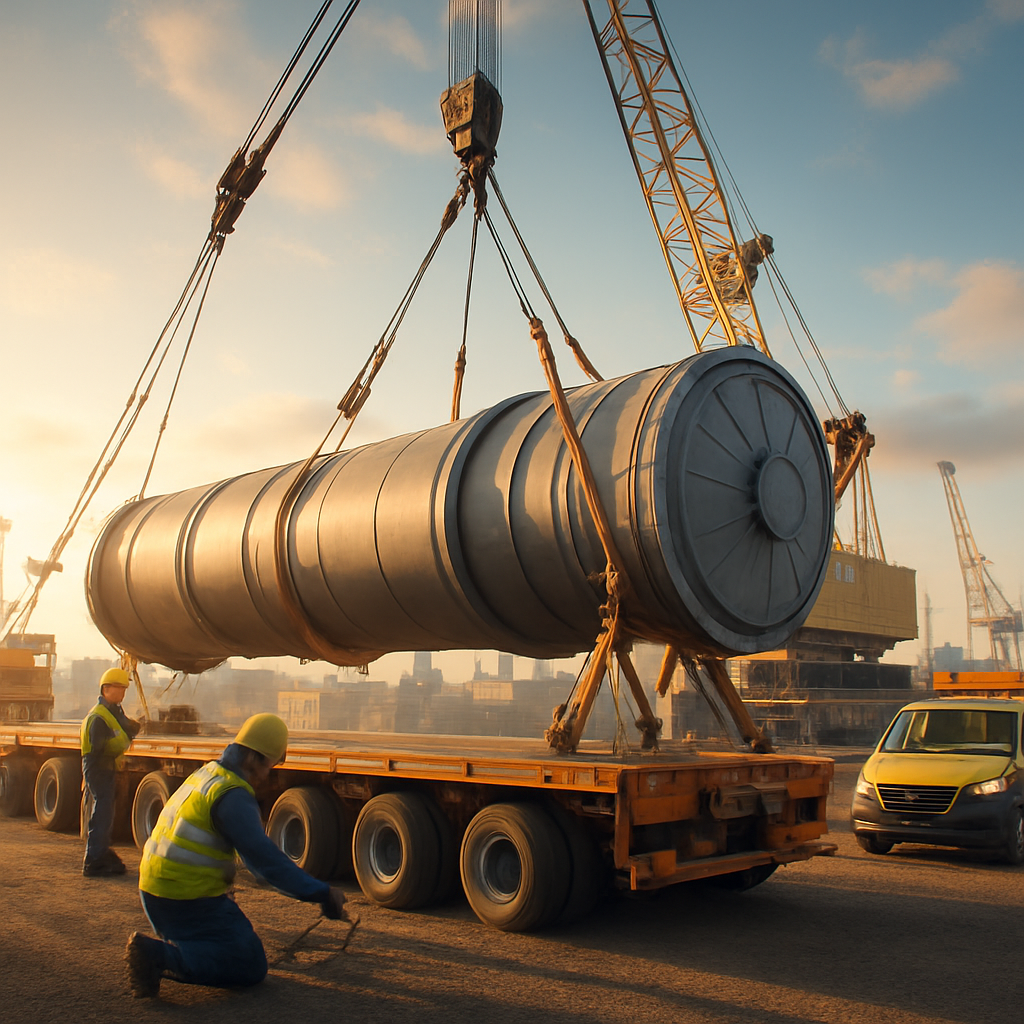
Oversized Cargo Logistics: Navigating Complex Australian Freight requires operators to balance safety, compliance and commercial pressure across vast distances. From wind farms in the Pilbara to bridge modules headed for urban job sites, shippers must align highly specialised equipment, local permits and community expectations while keeping projects on schedule and budgets under control.
Understanding the Challenge of Oversized Cargo in Australia
Moving outsized loads across multiple states exposes gaps between planning and on-the-road reality. Each jurisdiction sets different limits on width, height, mass and travel times, so a single move can trigger several permit regimes and police or pilot escort requirements. Route constraints, such as low bridges, old culverts and constrained intersections, complicate complex cargo transport solutions, particularly for night moves into cities. These factors can disrupt broader supply chain management, so early scoping and realistic transit times are critical to avoid costly shutdowns at mine sites, ports or construction fronts.
Key Solutions for Oversized Cargo Logistics in Australia
Specialist carriers combine engineering surveys, swept-path analysis and vehicle selection to match trailers and dollies to specific loads and corridors. Advanced route planning software helps teams model grades, bridge capacities and turning circles, supporting multimodal transport planning where rail or coastal shipping can offset long-haul road exposure. For remote regions, integrated project freight management brings together heavy lift project shipping, temporary laydown areas and last-mile transport to site. Pilot vehicles, traffic management crews and contingency routes provide oversized load logistics support when weather, roadworks or community events force late changes.
In-House vs Outsourced Oversized Project Management
Large miners, energy producers and tier-one contractors sometimes maintain in-house teams to manage end-to-end freight coordination, giving them direct control over sequencing and risk. This model suits programs with repeatable moves along known corridors and established compliance frameworks. Outsourcing to project cargo forwarding specialists can be more effective for one-off or frontier projects, where niche assets such as platform trailers or self-propelled modular transporters are required. Many organisations now favour hybrid arrangements that blend internal oversight with external expertise in freight forwarding services, particularly where community disruption or sensitive environments heighten scrutiny.
- Assess provider experience on comparable routes, commodities and project scales.
- Review safety performance, Chain of Responsibility systems and incident history.
- Confirm access to specialised equipment and contingency options for breakdowns.
- Check capability in permits, escorts and community consultation across the australian logistics supply chain.
- Evaluate reporting, tracking and governance processes for integrated transportation solutions.
When selecting partners, shippers should consider how prospective operators manage Project Logistics in Australia from feasibility through execution. Independent resources from the National Heavy Vehicle Regulator at https://www.nhvr.gov.au help benchmark standards, especially around network access and Chain of Responsibility. Robust governance is particularly important when integrating project work with broader project logistics in Australia, where delays can affect labour mobilisation, cranes and other critical-path activities. Strong alignment on risk appetite, escalation pathways and documentation reduces exposure for all parties.
For capital works involving remote sites, marine interfaces or sensitive communities, engaging experts early allows more accurate costing and scheduling of complex project freight operations. Teams specialising in complex cargo transport solutions can test alternative corridors, coordinate with ports and design staging areas, supporting more resilient transportation solutions. As Australia’s infrastructure and energy transition accelerates, operators that treat oversized cargo as a strategic discipline rather than a tactical afterthought are best placed to protect budgets and reputations. To compare options and design a fit-for-purpose oversized freight strategy, speak with an experienced logistics advisor who can map scenarios, quantify trade-offs and guide your next move with confidence.

Related posts

12 Dangerous Goods (DG) energy storage units from China to the Bellevue Gold Mine site in Sir Samuel, WA
Across the Ocean Shipping is proud to announce the successful delivery of 12 Dan
The Only Guide You Need for Building an Effective Project Logistics Strategy
Here is a step-by-step guide for creating a project logistics strategy for a bus
Electric Trucks Hit the Outback: How Road Freight Is Transforming with EV Adoption in Australia
Australia’s road freight sector plays a huge role in keeping everything from s
