




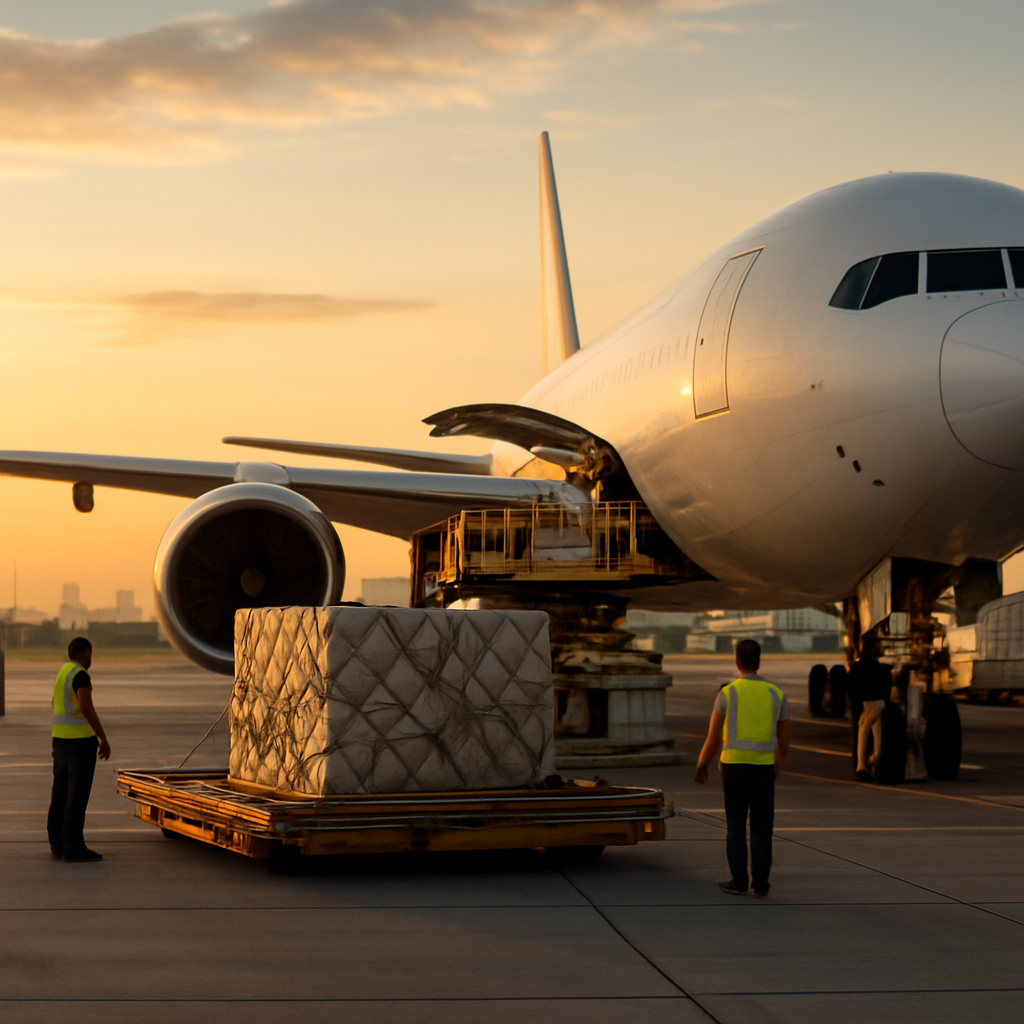
How to Move Time-Sensitive Air Cargo Efficiently in Australia
Time-sensitive air cargo in Australia is no longer a niche concern; it is a strategic capability that underpins export competitiveness, supply chain resilience, and customer trust. As volumes grow and stakeholders demand transparency, shippers must move beyond ad hoc fixes towards integrated, data-led control of every minute between gate and consignee. This shift requires a sharper view of risk, smarter use of infrastructure, and tighter collaboration across partners who influence timing and temperature.
In time-critical air supply chains, speed is not the differentiator; predictable speed is. The winners are those who design reliability into every handover rather than chasing it with last-minute workarounds.
Many Australian exporters still treat Air freight in Australia as a tactical decision made after production, instead of a core part of product and market strategy. That mindset overlooks how shelf life, regulatory compliance, and customer experience are shaped by upstream planning. A disciplined approach starts with mapping each lane’s constraints, from airport curfews to handling capacity, then engineering buffers where they deliver the greatest protection with the least cost.
Why time-sensitive air cargo is different
Unlike general International cargo shipping, time-sensitive freight is governed by biological and regulatory clocks as much as airline schedules. Fresh produce and seafood face strict temperature and transit-time limits, while pharmaceuticals bring validated packaging and audit trails into play. Mining and medical sectors add another layer, with urgent shipment logistics that tolerate almost no deviation. Treating these flows like ordinary exports invites avoidable spoilage, delays, and reputational risk.
Designing strategy, not just shipments
Leading shippers now design networks backwards from delivery promise, selecting international air freight options and cold-chain partners to protect the most fragile minutes. That involves aligning production windows to guaranteed uplift, standardising pack-outs, and using lane-specific SOPs that everyone from carriers to truckers can execute. Commercially, a transparent air freight cost breakdown clarifies when premium uplift or priority air cargo handling creates value, and when slower modes or hybrid routings are more rational.
At the operational level, time-critical shipment logistics depend on removing friction from documentation, handovers, and information flow. Pre-lodged customs data, electronic airway bills, and real-time status sharing can reduce dwell, cut-offs, and missed flights. Strategic use of urgent air cargo solutions, such as express international freight services for high-value SKUs, can be reserved for genuine bottlenecks rather than used as an expensive default. This disciplined segmentation is central to sustainable cost control.
Collaboration across the cold chain remains the weakest link in many Australian export models, despite perishables dominating outbound volumes by weight. Too often, exporters rely on transactional spot bookings that ignore temperature risk between farm, terminal, and tarmac. A more mature approach includes structured performance reviews with handlers, visibility over global air cargo shipping legs, and data-led conversations about Air freight pricing factors and air freight rate comparison. For market context and infrastructure trends shaping capacity, the International Airfreight Indicator published by Infrastructure Partnerships Australia provides a robust external benchmark at https://infrastructure.org.au/research/international-airfreight-indicator/.
Resilience is now a board-level concern, as weather volatility, industrial action, and constrained capacity put pressure on urgent shipment promises. Scenario planning across multiple airports and carriers, combined with targeted buffer inventory for critical SKUs, can protect service without eroding margins. The practical next step for exporters is to review current urgent air cargo solutions, test them against their most demanding lanes, and engage specialists to redesign weak links before the next disruption hits. Speak with a supply chain expert, audit your time-sensitive lanes, and build a roadmap that makes reliability a deliberate outcome, not an accident.

Related posts
High-Flyer’s Guide: Navigating Peak Seasons in Air Freight
Air freight, a critical component of global logistics, experiences peak seasons

Airlines Report Cargo Operations ‘Severely Affected’ by Outage
Delays and backlogs are expected across the air cargo industry, following the Mi
Essential Guide to Air Freight Forwarding for Australian Businesses
Discover how Air freight in Australia can give your business a strategic edge, f
