





Essential Guide to Supply Chain Network Design in Australia
Many Australian businesses underestimate how quickly a poorly designed supply chain network can erode margins, frustrate customers and stall growth. The challenge is magnified by Australia’s vast geography, regional disparities and strict regulatory settings. When supply chain leaders don’t step back and reassess their network design, they risk higher operating costs, unreliable delivery times and limited visibility across critical flows.
- Rising freight spend with no clear link to better service.
- Increasing delivery delays between major cities and regional areas.
- Warehouses carrying excess stock while key items are frequently out of stock.
- Siloed planning teams using outdated tools and manual spreadsheets.
- Limited contingency planning for bushfires, floods or port disruptions.
Problem: Ineffective supply chain network design in Australia
Designing an effective supply chain network in Australia demands more than simply adding extra trucks or warehouse space. The primary risk is building a network around historical habits rather than around actual demand patterns, transport realities and compliance obligations. When organisations ignore this, freight legs grow longer, mode choices become reactive and inventory buffers are scattered without strategy, driving up cost-to-serve and undermining reliability.
Geography, regulation and hidden network risks
Australia’s long transport corridors between Sydney, Melbourne, Brisbane, Perth and Adelaide make network design particularly sensitive to mode choice and route planning. Without deliberate network design for logistics efficiency, businesses often rely too heavily on road freight even when rail or coastal shipping could reduce cost and emissions. At the same time, import rules, quarantine requirements and local labour laws add friction points that, if not mapped properly, can delay shipments and create compliance exposure.
Planning blind spots: demand, inventory and data
Many teams still plan using rough averages and gut feel instead of robust Demand forecasting methods and analytics. This blinds them to regional demand shifts and seasonal volatility, causing both stockouts and obsolete stock. Weak Inventory management techniques also mean safety stock levels are rarely aligned with real service objectives. Without a coherent end-to-end demand planning process, businesses struggle to coordinate purchasing, production and distribution decisions across their Australian footprint.
Operational symptoms: what leaders should look for
Typical warning signs of a failing network include trucks running half-empty, frequent urgent airfreight, and customers in regional centres receiving slower service than urban counterparts. These issues reveal deeper network flaws rather than isolated operational mistakes. Organisations trying to improve Supply Chain Optimization in Australia often discover that their warehouse locations, transport contracts and planning tools have evolved piecemeal over years, leaving them with legacy structures that no longer fit current demand, especially as e-commerce accelerates expectations.
Ignoring these structural problems can lock in unnecessary cost for years and leave businesses exposed when disruptions hit. More progressive operators are turning to Logistics efficiency strategies, integrated demand and inventory planning and advanced inventory control practices to rebuild their networks with better data and clearer service goals. Independent benchmarks from the CSIRO’s freight and logistics research show how optimising logistics efficiency in Australia can materially cut emissions and operating expenses when network design is revisited strategically.

Related posts
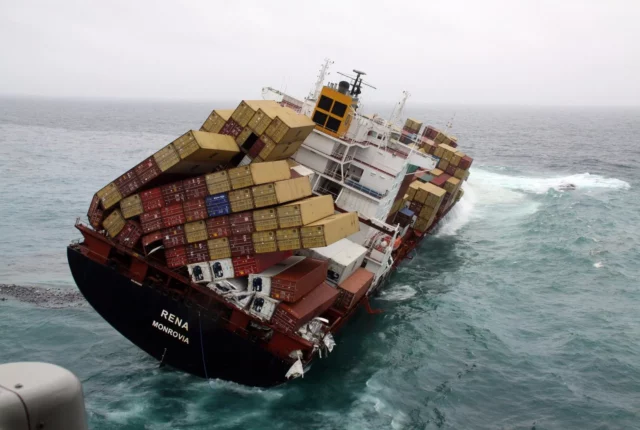
Australian Authorities Warn of Risks from Unsecured Cargo
The Australian Maritime Safety Authority (AMSA) is raising concerns over high nu

From 3PL to 4PL: When and How Australian Businesses Should Make the Shift
In Australia’s fast-evolving logistics landscape, supply chains are no longer
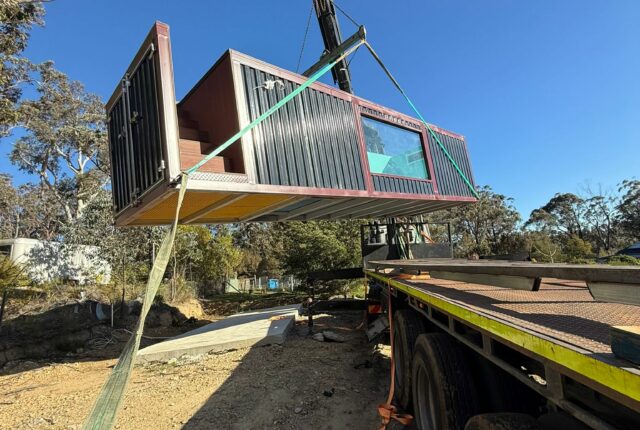
Fiberglass Pool Door to Door Delivery
ATOS arranged a door to door movement of a Fiberglass Pool which looks like a fr
