



Ocean Freight Market Outlook 2026: Navigating Challenges
Ocean Freight Market Outlook 2026: Navigating Challenges for Australian Shippers
1. Understand the Ocean Freight Market Outlook 2026
The ocean freight market outlook 2026 points to a trading environment that will remain volatile but manageable for well-prepared Australian shippers. Freight rates are expected to stay above pre-2020 levels, with capacity swings driven by new vessel deliveries, blank sailings and shifting trade flows. Businesses moving agricultural exports, resources and retail goods will need sharper demand forecasting and closer coordination with partners to avoid surprise surcharges and delays.
2. Plan Around Port Congestion and Infrastructure Risks
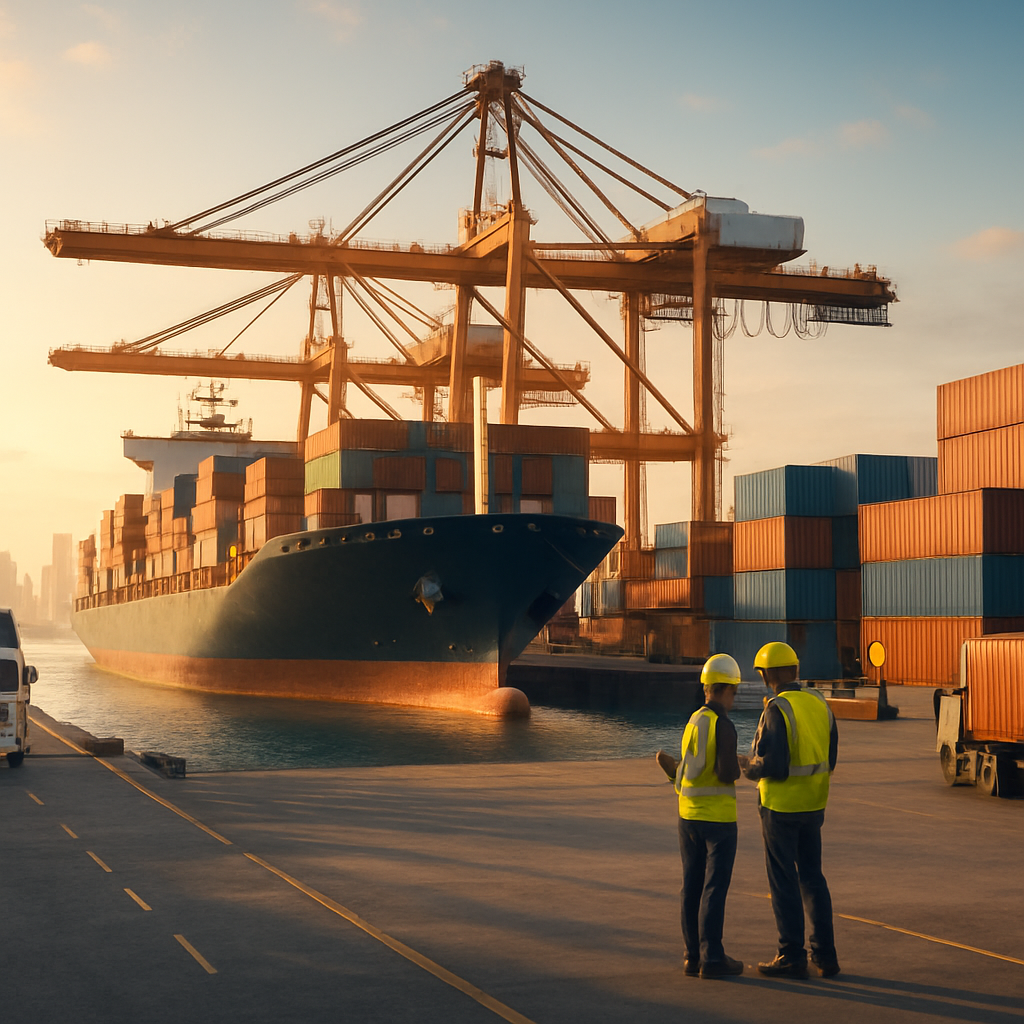
Congestion at major Australian gateways remains a live risk, particularly during peak export seasons and periods of industrial action. Delays in container availability, limited yard capacity and truck slot shortages can quickly disrupt carefully sequenced supply chains. Importers relying on just-in-time models or tight promotional windows should factor buffers into ocean freight logistics planning and consider alternate terminals where practical.
3. Prepare for Sustainability and Regulatory Shifts
By 2026, decarbonisation rules and tightening emissions standards will be reshaping ocean shipping logistics on Australian trade lanes. The International Maritime Organization’s CII framework is driving carriers to deploy more efficient vessels, experiment with alternative fuels and adopt slow steaming on certain routes. These changes may alter transit times and service patterns, making it vital for exporters to understand how sustainability measures affect cost structures, scheduling and long-term contracts.
4. Use Digital Visibility to Control Cost and Risk
Technology is rapidly redefining how cargo owners manage Sea Freight in Australia, from advanced tracking and predictive ETAs to electronic bills of lading and automated exception alerts. Companies that integrate transport management systems with warehouse and sales data gain earlier warning of disruption and clearer insight into carrier performance. This digital edge can also support rigorous container freight customs compliance and reduce manual handling errors across complex supply chains.
5. Manage Geopolitical and Trade Route Disruption
Security issues in key corridors, changing trade policies and evolving Indo-Pacific alliances are forcing carriers to adjust routings and schedules. Longer voyages through alternate canals or around high-risk regions can tie up working capital and compress delivery windows. Australian cargo owners should monitor official guidance from agencies such as Australia’s Department of Foreign Affairs and Trade and align their international shipping documentation guide with updated sanctions, insurance clauses and risk thresholds.
- Assess how different container shipping options affect total landed cost and inventory risk across your main trade lanes.
- Review your customs documentation process to minimise clearance delays and unexpected storage or detention fees.
- Check whether your australian container shipping services provider offers flexible container shipping choices during disruption.
- Clarify responsibilities for sea freight customs paperwork and australia customs clearance steps in your contracts.
- Confirm your partners can support end-to-end ocean shipping management, including contingency routing and schedule recovery.
To stay competitive in 2026, many Australian businesses will need specialist support rather than managing these pressures alone. A seasoned forwarder can benchmark rates, design resilient routings, coordinate container freight and oversee sea freight customs paperwork to keep shipments compliant and predictable. If you’re reassessing your strategy now, speak with a freight specialist who understands australian container shipping services and can tailor solutions to your sector and risk profile.
For further insights on global trade and shipping regulations, you can explore resources from the International Maritime Organization, which provides up-to-date guidelines on maritime safety and environmental standards.

Related posts
Shore Power Solutions – Trident BMC Leading The Way
Leading the way in shore power solutions – Trident BMC, a provider o
CMA CGM Ship Loses 44 Containers in South African Storm
A CMA CGM containership lost 44 containers overboard amid heavy weather off the

Biofuel Trials Launched To Safeguard The Shipping Industry
As the shipping industry is having more pressure applied to reduce emissions, ne
