





Navigating Freight Forwarding Customs Clearance in Australia
Navigating freight forwarding and customs clearance can feel daunting when you are juggling tight deadlines, complex forms and strict Australian import export rules. Choosing a specialist partner for Customs Clearance in Australia gives you confidence that every lodgement, tariff code and declaration is handled correctly the first time. With the right guidance, you can reduce surprise costs, avoid holds at the border and keep your supply chain running smoothly.
A trusted customs and freight partner should turn complex regulations into a clear, step-by-step plan for your business.
Navigating Customs Clearance in Australia with Confidence
A reliable forwarder will explain the customs documentation process in plain language, outlining exactly what is needed before your cargo leaves the warehouse. From commercial invoices and packing lists to Australian customs documentation and permits, each document is checked to ensure values, HS codes and origin details are consistent. This upfront clarity reduces the risk of additional questions from Australian Border Force and other agencies. As a result, your goods are less likely to face delays, storage fees or re-inspection.
How the Freight Forwarding and Customs Process Works
From the moment your shipment is booked, your provider should map out the full customs paperwork requirements for both origin and destination. They then lodge declarations through government systems, manage international shipping compliance and coordinate with airlines, shipping lines and local transport providers. For cargo that is sensitive or high value, robust global trade compliance steps and digital tracking help you see where your shipment is at every stage. This transparency builds trust, because you always know what has been submitted, what is approved and what is still outstanding.
Managing Biosecurity, Risk and Ongoing Compliance
Australia’s strict biosecurity and shipping regulations for Australia mean that timber, food, plant material and certain packaging often need extra checks. A seasoned forwarder will anticipate inspections, explain Department of Agriculture, Fisheries and Forestry requirements and advise on air and sea freight compliance before cargo departs. Internally, they should apply regular compliance audits and border clearance compliance reviews so your business stays ahead of changing import export regulations. For technical guidance on official requirements, many clients also refer to the Australian Border Force website at https://www.abf.gov.au as an authoritative resource.
When you partner with a trusted freight forwarder, you should expect realistic transit times, clear cost breakdowns and proactive updates on trade documentation for exporters. Your provider will walk you through Australian import export rules, outline possible duty or GST exposure and explain how any changes could affect you. Detailed milestone reporting, from pickup through customs release and final delivery, means you are never left guessing about your shipment’s status. If you are planning your next shipment, speak with our team to review your route, risk profile and service options so we can build a tailored plan that streamlines your customs clearance and supports long-term border compliance.

Related posts

Export Customs Clearance: Essential Tips for Australian Businesses
Discover how Customs Clearance in Australia works for exporters, comparing in-ho
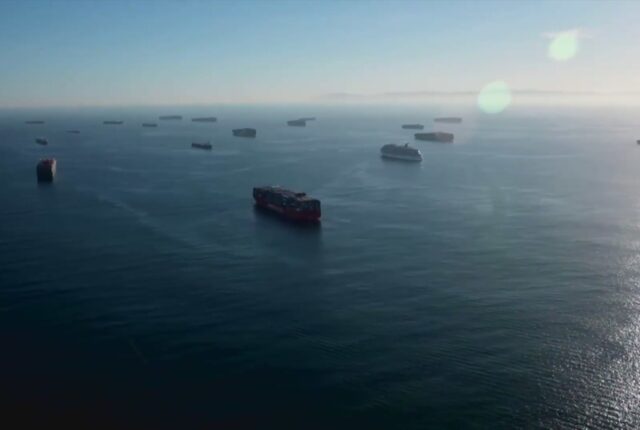
Container Shipping Congestion in L.A.
Due to the huge amount of container shipping congestion in L.A., sailing ar

Common Mistakes to Avoid in Customs Clearance
When it comes to customs clearance, making mistakes can be costly and time-consu
