





Less Than Truckload Freight: Cost-Effective Shipping Solutions
Less Than Truckload (LTL) freight is a trusted, cost-effective way for Australian businesses to move smaller consignments without paying for unused trailer space. When you don’t need a full truck, LTL allows you to share capacity while still receiving professional freight transportation services, clear communication, and predictable pricing. Understanding how reputable providers manage consolidation, handling, and tracking helps remove uncertainty and gives you confidence that your shipment will arrive safely and on time.
“Transparent processes, accurate quoting, and careful handling are the foundation of trustworthy Less Than Truckload (LTL) freight in Australia.”
Less Than Truckload (LTL) freight: how it works
With Less Than Truckload (LTL) freight, your pallets or cartons are collected, consolidated with compatible freight, and moved through a linehaul and depot network before final delivery. A dependable carrier will explain each step, from pick-up windows through to proof of delivery, so you know exactly what to expect. They use scanning, labelling, and staging processes that minimise misrouting and damage. For added peace of mind, look for providers that integrate LTL into broader logistics and shipping solutions, giving you consistent standards across all modes.
What to look for in an Australian LTL provider
Choosing the right LTL partner in Australia starts with carrier reputation, network coverage, and clarity around service levels. Investigate how they handle packaging requirements, dangerous goods, and time-sensitive loads to ensure their cargo delivery options align with your risk profile. Providers that offer Road Freight in Australia alongside LTL give you more flexibility as your volumes grow. It’s also worth reviewing public resources such as the National Heavy Vehicle Regulator at https://www.nhvr.gov.au to confirm compliance with local safety and chain-of-responsibility standards.
Cost, reliability, and flexibility you can trust
Price matters, but long-term value comes from consistent, damage-free delivery and honest communication about transit times. Experienced operators explain how distance, weight, dimensions, and freight class influence quotes, helping you choose cost-effective cargo delivery choices without surprises. Many businesses combine LTL with other road freight transportation services to match each shipment to the right service level. When a provider can tailor flexible freight transport options and clearly outline surcharges, cut-off times, and liability limits, it becomes far easier to plan reliably.
To reduce everyday risk, ask how your potential partner manages domestic freight logistics solutions, including labelling standards, pallet requirements, and claims handling. Providers that support australian logistics and shipping solutions will often share case studies demonstrating reliable australian delivery services for similar industries, from retail replenishment to interstate cargo delivery options for manufacturers. This level of transparency shows they understand business road freight shipping challenges and are prepared to back their promises with real processes, not vague marketing. When you’re ready to review your LTL strategy, speak with the team, compare options, and request a tailored plan that gives your business confidence in every shipment.

Related posts
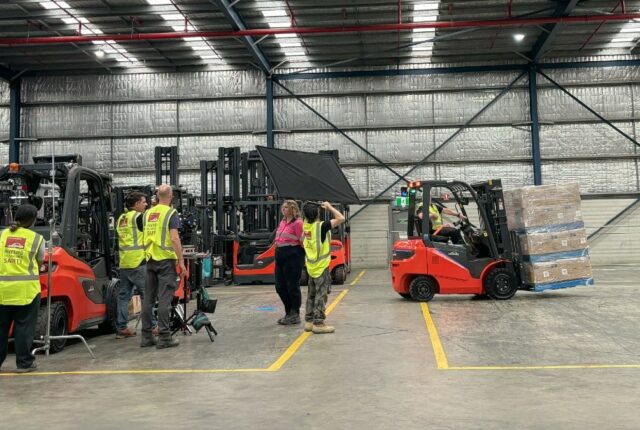
The Impact of Regulatory Changes on Australia’s Road Freight Industry
Australia’s road freight industry is undergoing significant transformation
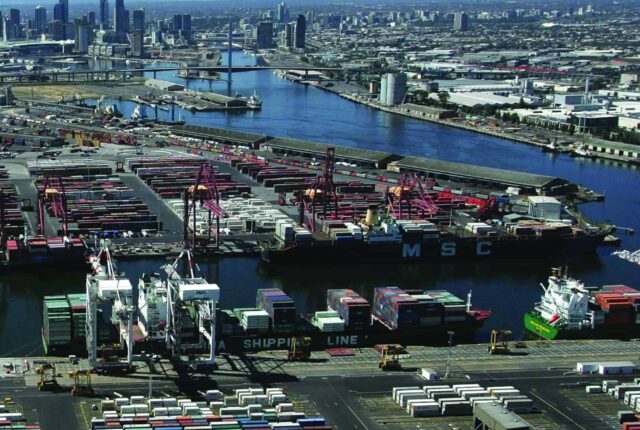
Severe Congestion at DP World Melbourne Terminal
Landside logistics operators are continuing to experience extreme congestion at
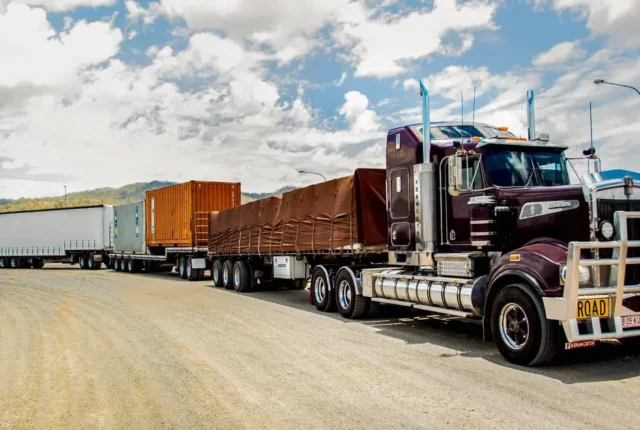
Australia’s Freight Dilemma: Road vs. Rail in the Face of Increasing Demand
Australia’s freight industry is at a crossroads. With an ever-increasing deman
