




Ecommerce Fulfilment Logistics: Key Strategies for 2026 Success
Ecommerce fulfilment logistics is changing rapidly across Australia as online shoppers demand faster, more reliable and more transparent delivery experiences. For retailers and brands planning ahead for 2026, a strong fulfilment strategy is essential to building trust, reducing risk and keeping customers coming back. When your systems for inventory, warehousing, shipping and communication work smoothly together, buyers feel confident that every online order will arrive accurately, on time and with minimal hassle.
Reliable ecommerce fulfilment logistics turns every delivery into a proof point that your brand does what it says.
Ecommerce fulfilment logistics: why trust matters in 2026
Australian shoppers now expect the same consistency online that they receive in-store, including clear delivery timeframes and simple returns. When parcels arrive late, damaged or incorrect, trust erodes quickly and repeat purchases decline. A well-planned approach to ecommerce fulfilment logistics shows customers exactly what to expect, from stock availability through to tracking and returns processing. By publishing realistic delivery estimates, stating service areas, and explaining how you handle peak periods, you remove uncertainty and help buyers feel safe choosing your store for important purchases.
Key strategies to build confidence in your fulfilment experience
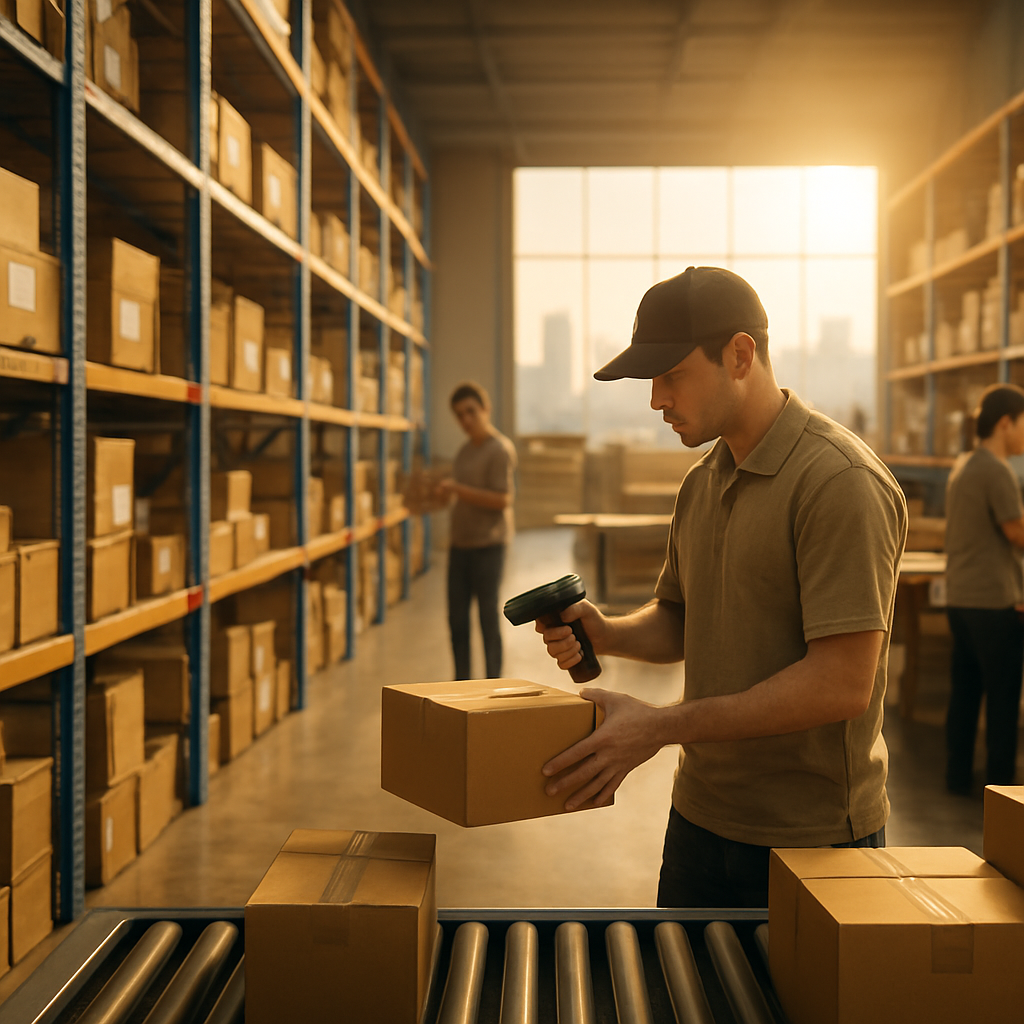
Trust starts with operational accuracy. Investing in barcode scanning, inventory management software and real-time dashboards reduces picking errors and out-of-stock surprises. Automated notifications and tracking links keep customers informed at every stage, cutting “where is my order” queries and showing that you take communication seriously. For sellers using Amazon fulfillment in Australia, consistent processes for Managing inventory for Amazon and clear Shipping compliance for sellers are critical to meeting marketplace standards and protecting your seller ratings during busy trading periods.
Returns, sustainability and transparent standards
A customer-friendly returns and reverse logistics process is essential when online returns can reach 30% in some categories. Clear instructions, pre-paid labels and prompt refunds or exchanges show that you back your products and respect your customers’ time. At the same time, Australian consumers increasingly expect responsible packaging and transport choices. Right-sized cartons, recycled materials and consolidated deliveries demonstrate that you are serious about sustainability. For independent guidance on barcoding and supply chain standards that support accuracy and traceability, many retailers refer to GS1 Australia at https://www.gs1au.org/ when designing their long-term logistics capabilities.
To prepare for 2026, many brands are reviewing FBA logistics for eCommerce alongside their own warehouse operations, focusing on ecommerce stock planning for FBA, optimising Amazon inventory levels and an Australian FBA logistics strategy that can manage both metro and regional demand. Robust processes for Amazon fulfilment inventory accuracy and a streamlined FBA shipping process reduce costly errors and help ensure compliance with evolving Australia FBA shipping rules. If you want to strengthen trust at every delivery touchpoint, speak with our logistics specialists today to assess your current set-up, clarify your risks and priorities, and develop a fulfilment roadmap that gives your customers confidence with every order.

Related posts

Delivering on Customer Expectations: Inside Amazon’s Fulfillment Strategy
Amazon, the world’s largest online marketplace, has revolutionized the ret
Navigating Amazon Fulfilment Shipping in Australia: 2026 Tips
Navigate Amazon fulfillment in Australia with 2026-ready tips on FBA shipping, c

Amazon Fulfillment: A Game-Changer for E-commerce Businesses
Embracing the Power of Amazon Fulfillment In the rapidly evolving world of e-c
