




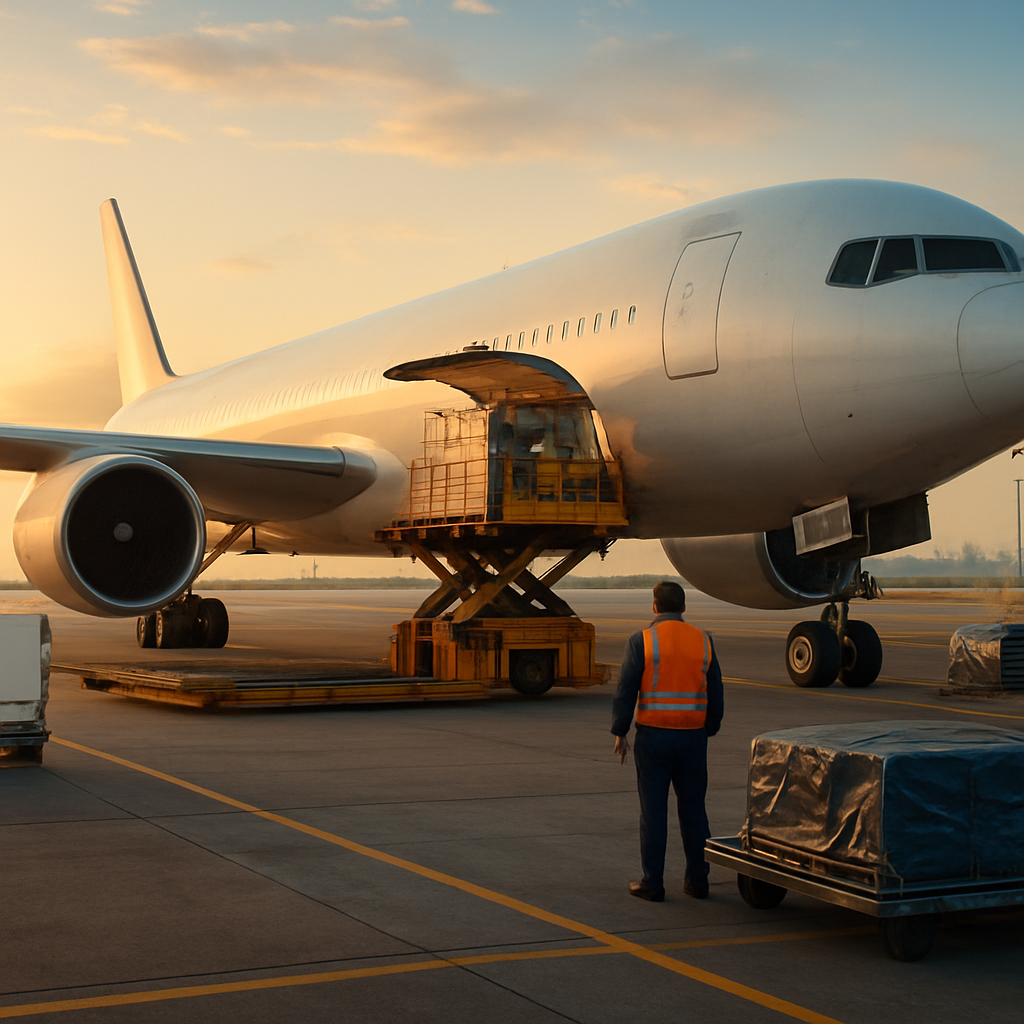
Import and Export Air Freight: What Australian Businesses Must Know
Import and export air freight in Australia is vital for businesses that depend on speed, reliability, and tight supply chain control. It is especially valuable for high-value, perishable, or time-sensitive goods where days lost in transit can erode margins or damage customer relationships. Before committing to this mode, companies should understand how regulations, costs, and operational decisions interact to shape performance and risk across global air freight routes.
Key compliance rules for Australian air freight
Australian importers and exporters must meet Australian Border Force requirements, including accurate commercial invoices, detailed packing lists, and, where needed, certificates of origin. Biosecurity controls for food, plants, and animal products are stringent and may involve inspections or treatments. Businesses handling hazardous, pharmaceutical, or defence-related goods should confirm whether permits are required. Non-compliance can disrupt urgent shipment logistics through delays, storage charges, or seizure of cargo.
Understanding air freight cost components
Effective budgeting requires more than estimating a headline rate, so decision-makers should understand common air freight pricing factors. A typical air freight cost breakdown includes freight charges, fuel and security surcharges, terminal handling fees, customs duties, GST, and possible quarantine inspection fees. Exporters also need to factor in documentation charges and destination handling where Incoterms allocate those costs to the seller. Clear agreement on Incoterms helps avoid disputes and clarifies who pays for which segment of international cargo shipping.
Service options and transit time planning
Businesses can choose between express import air freight services, standard consolidation, or tailored solutions depending on deadlines and budget. For urgent international air cargo, premium products offer faster departures, reduced transhipment, and priority cargo handling services at key hubs. Where timelines are more flexible, consolidated services can lower costs while still providing dependable delivery. Planners should compare air and sea freight for each lane, balancing inventory carrying costs against transit time and reliability.
Working with freight forwarders and carriers
Most Australian SMEs rely on freight forwarders to interpret regulations, secure capacity, and coordinate time-critical shipment planning. A capable partner will advise on routing, packaging, cargo insurance, and international export freight options across multiple carriers. When evaluating providers, consider their network coverage, digital tracking tools, and responsiveness during disruptions. Businesses moving pharmaceuticals or fresh produce should confirm temperature-control capabilities and documented quality systems in line with Department of Agriculture guidance at https://www.agriculture.gov.au.
Sound documentation and risk management underpin successful Air freight in Australia operations. Commercial invoices and packing lists must match the physical shipment, including HS codes, weights, and dimensions. Air waybills confirm the contract of carriage, service level, and special handling instructions. Companies should regularly review their processes, from packaging standards to insurance levels, to ensure they align with evolving trade lanes and compliance rules. To deepen your understanding, consider speaking with a qualified freight professional who can review your routes, commodities, and constraints in detail.

Related posts
Essential Guide to Air Freight Forwarding for Australian Businesses
Discover how Air freight in Australia can give your business a strategic edge, f
Urgent Air Freight in Australia: Navigating Time-Sensitive Shipments
Navigate urgent air freight in Australia with confidence. Learn how standards, p
Transshipment: The Movement Of Goods
Transshipment , the movement of goods from an importing ship or aircraft to anot
