




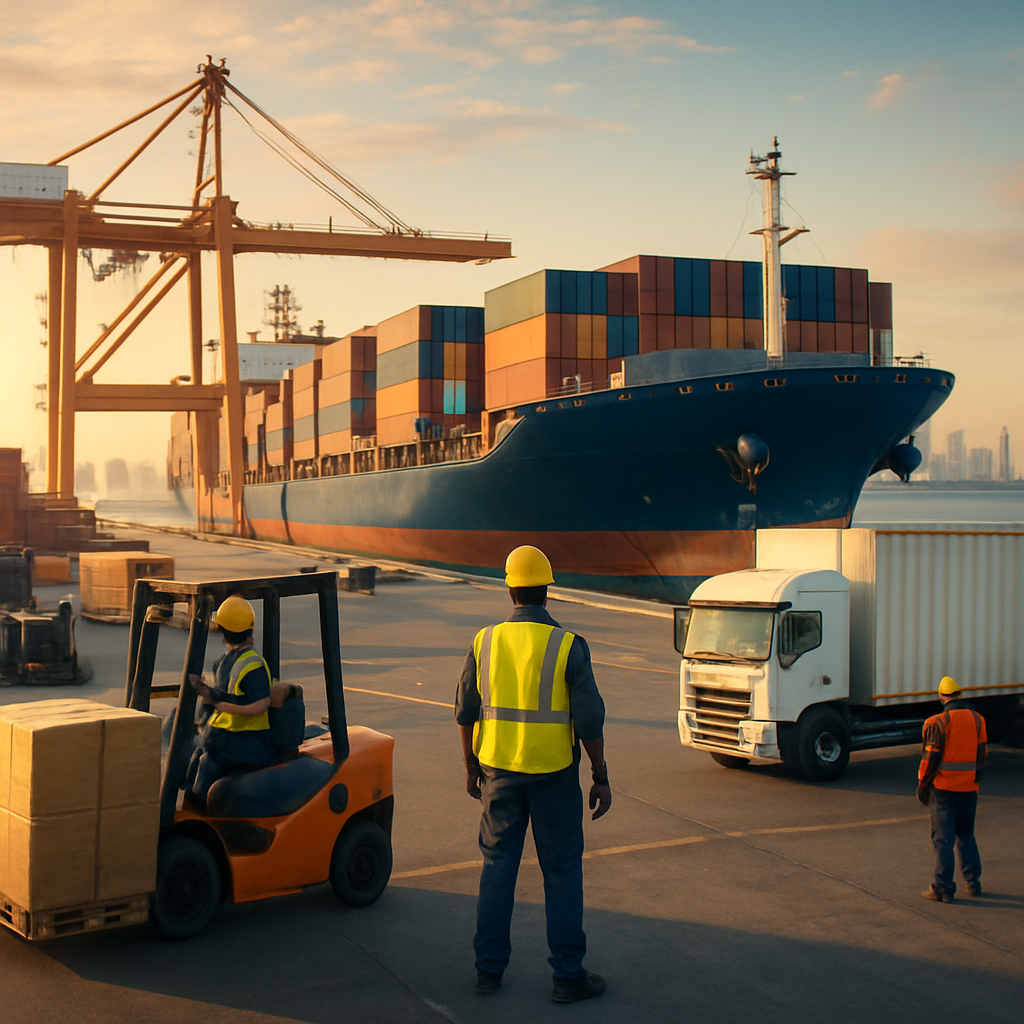
Door-to-Door Coastal Freight: Streamlining Your Deliveries
Streamlined door-to-door coastal freight deliveries in Australia are reshaping how businesses move goods between ports, regional hubs, and capital cities. As supply chains come under pressure from rising costs, driver shortages, and congestion, many operators are reassessing how coastal freight solutions can support faster, cleaner, and more predictable transport. For shippers comparing domestic sea freight options with traditional road haulage, understanding the benefits of a fully integrated model is now critical to future planning and growth.
1. Lower Costs Through Smarter Coastal Freight Planning
Coastal freight deliveries can reduce linehaul expenses by shifting heavy volumes off highways and onto bluewater lanes. Businesses gain cost-effective coastal transport by combining sea legs with targeted road legs for first and last mile. This model is particularly attractive for palletised freight, bulk commodities, and retail replenishment where speed matters, but ultra-urgent transit is not essential. Over time, the savings on fuel, tolls, and maintenance can be substantial, especially for recurring lanes between major ports.
2. Reliable Port-to-Door Delivery for Metro and Regional Customers
Door-to-door interstate deliveries are only effective if the handoffs between ship, port, and truck are tightly managed. Modern providers now offer reliable port-to-door delivery built on integrated scheduling, port visibility, and dedicated local fleets. For operators serving both metropolitan and regional customers, this means fewer delays, fewer touch points, and clearer ETAs. The result is a calmer supply chain with fewer last-minute workarounds and better inventory planning for end customers.
3. Integrated Coastal Shipping Services With Real-Time Visibility
The latest integrated coastal shipping services use advanced tracking, event alerts, and digital documentation to keep freight owners informed at every stage. Shippers can monitor vessel departures, port arrival windows, and on-the-road milestones from a single platform, helping them respond quickly to disruption. When combined with local delivery options tailored to specific regions, this connectivity creates a more responsive logistics network that still feels joined-up, even across thousands of kilometres of coastline.
4. Environmental Benefits and Reduced Road Congestion
Moving more freight by sea can significantly cut emissions per tonne-kilometre compared with long-haul road. According to the Australian government’s freight data, shifting heavy loads off highways helps reduce congestion, accidents, and road wear across key corridors. For brands with net-zero or ESG commitments, coastal freight delivers a measurable reduction in transport emissions without sacrificing reliability. It also supports the broader australian coastal freight network, easing pressure on constrained land transport infrastructure.
5. Scalable Capacity for Growing Businesses
As demand fluctuates throughout the year, scalable coastal freight capacity allows shippers to flex volumes without constantly renegotiating road contracts. Regular sailings between major ports provide predictable base capacity, while additional slots can be added as trade lanes mature. For companies weighing interstate shipping services or exploring interstate coastal freight options, this flexibility is a strong hedge against volatility in driver availability, fuel prices, and road regulations across state borders.
- Assess whether your lanes between ports and regional centres are suitable for Domestic & Coastal in Australia.
- Compare total landed cost across sea and road, including handling, storage, and last-mile delivery.
- Check how coastal freight solutions integrate with your TMS, tracking tools, and warehouse systems.
- Review service levels for time-sensitive freight, including sailing frequency and cut-off times.
- Use independent guidance from resources such as the National Freight and Supply Chain Strategy at https://www.infrastructure.gov.au/national-freight-supply-chain-strategy to benchmark best practice.
If your business is exploring Domestic & Coastal in Australia to reduce cost, cut emissions, and stabilise delivery schedules, now is the time to act. Speak with a coastal logistics specialist to map your current lanes, identify domestic sea freight options that fit your volumes, and design a pilot program. A focused lane trial can quickly prove the value of integrated coastal freight solutions and give your team confidence to scale.

Related posts
Domestic Sea Freight in 2026: Key Insights for Shippers
Explore domestic sea freight in 2026, with key solutions, trends and decision fa
Ammonia Bunker Vessels in Development
Currently there are two companies reported to be working on some of maritime ind
China Trade Bottleneck Worse than the Suez Canal Fiasco?
When the giant container ship the MV Ever Given wedged itself across the Suez Ca
