




Australia Shipping Update: Space Constraints and Rising Risk of Cargo Rolling
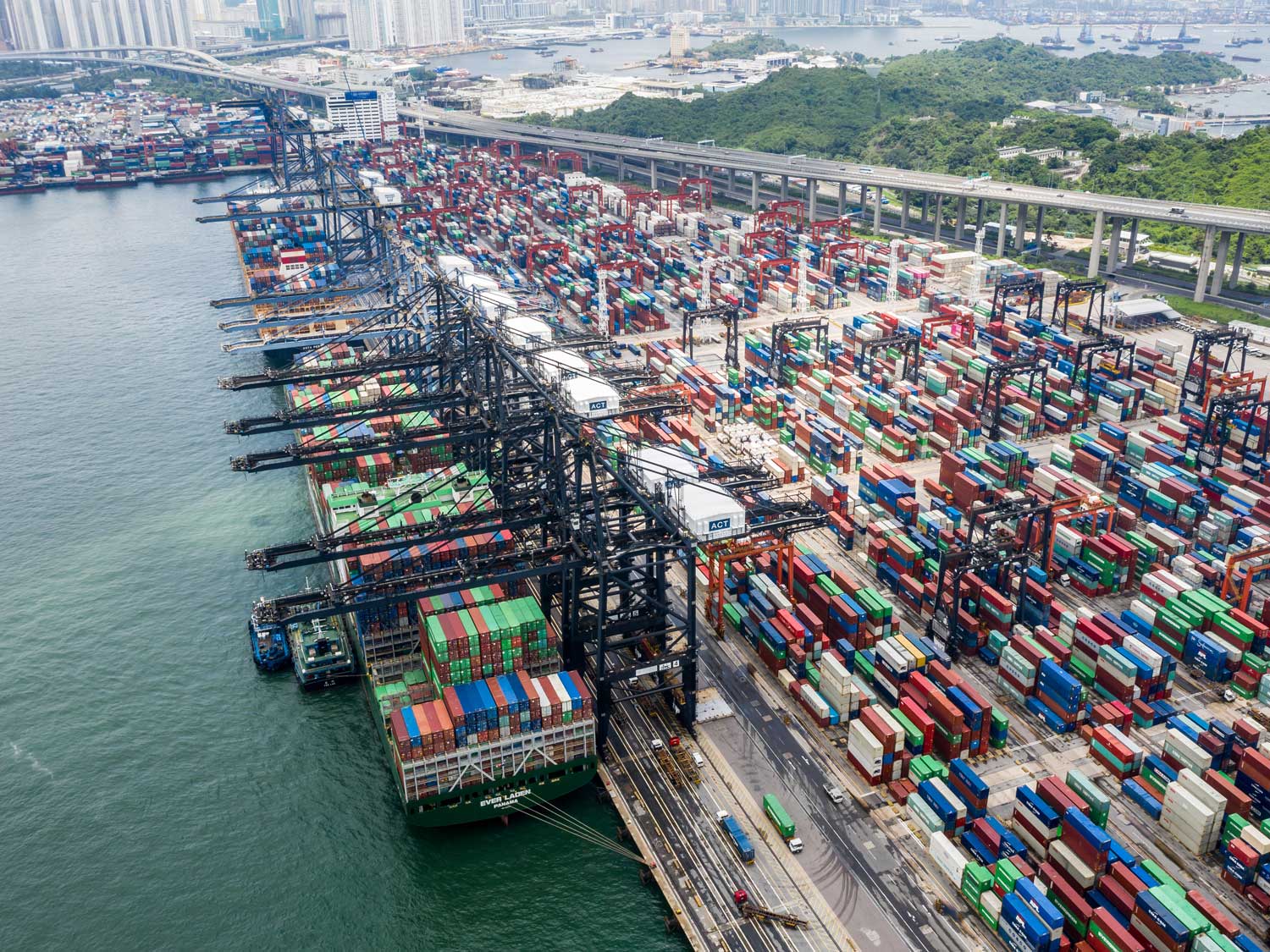
Shippers moving cargo to Australia are currently facing a challenging space situation, with vessel capacity becoming increasingly limited across key loading ports.
Recent market updates indicate that shipping lines are implementing significant space reductions due to overbooked sailings, vessel suspensions, and ongoing backlog issues. COSCO has advised that extensive space cuts will apply to the COSCO HONG KONG 207S sailing from Shekou and Hong Kong, with all forwarders in the market experiencing similar capacity challenges.
Space availability to Australia is now extremely tight, creating a higher risk of cargo being rolled to later sailings. COSCO has also announced that space from Ningbo will be reduced by approximately 30%, with other loading ports expected to face similar constraints.
In addition to capacity pressure, freight rates are continuing to rise. COSCO has advised that FAK rates to Australia are expected to increase by USD 500/1000 in July, with further rate updates to be confirmed once available.
What This Means for Shippers
Businesses planning shipments to Australia should prepare for tighter capacity, possible delays, and increased freight costs. With demand exceeding available vessel space, early planning is now essential to reduce disruption and improve the chance of securing space.
To help manage the current situation, we strongly recommend the following:
1. Book Shipments as Early as Possible
Customers with upcoming shipment plans should place booking requests as early as possible. Early booking provides a better opportunity to secure vessel space and allows more flexibility if schedules change or capacity is reduced further.
2. Allow Additional Transit Buffer Time
The risk of cargo rolling is currently very high. Shippers should allow sufficient buffer time in their delivery schedules to account for potential delays, especially for time-sensitive cargo or shipments connected to project deadlines, retail launches, or production timelines.
Plan Ahead to Minimise Disruption
The Australia trade lane is currently under significant pressure, and capacity conditions may remain tight in the near term. We encourage customers to stay in close communication with their freight forwarding partner, confirm shipment plans early, and remain flexible with sailing options where possible.

Related posts
Late July China-Australia Route Launches and August Rate Forecast
Two new direct shipping routes to Australia will be launched by the end of July,
Why 4PL Is Gaining Ground in Australia’s E‑Commerce Era
E-commerce in Australia has reached new heights, with online retail sales climbi
Peak Season Surcharge: Asia, Indian Subcontinent, Middle East to Australia & New Zealand
In a continued effort to provide their customers with best reliable and efficien
