




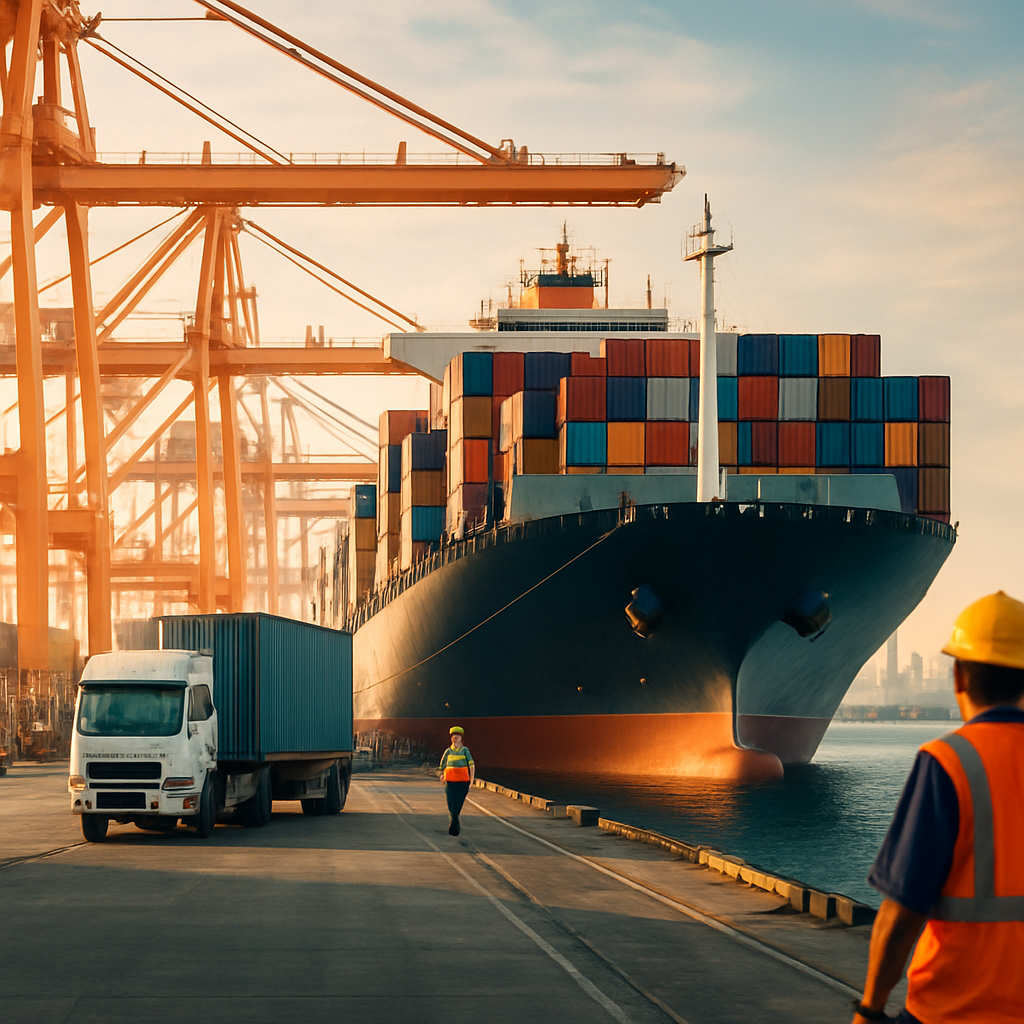
Ocean Freight in 2026: FCL, LCL, Rates, and Reliability Explained
Ocean Freight in 2026: FCL, LCL, Rates, and Reliability Explained is becoming a critical topic for Australian importers and exporters as disruption, capacity controls, and volatile pricing reshape planning assumptions. Within the first months of 2026, businesses that rely on Sea Freight in Australia have discovered that last year’s freight budgets, lead times, and sailing frequency no longer hold true, exposing supply chains to delays and unexpected costs.
- Lead times quietly stretching by one to two weeks compared with prior years.
- More frequent notifications of blank sailings and vessel changes on key trade lanes.
- Relying on a single carrier or weekly sailing without backup sailings.
- Regular rollovers or delays on LCL consignments moving through congested hubs.
- Last-minute bookings struggling to secure space during promotional periods or peak season.
Why 2026 Ocean Freight Is So Unpredictable
Behind the current instability is a widening gap between modest global trade growth and tightly managed vessel capacity. Carriers are withdrawing services, adjusting rotations, and using blank sailings to keep ships full, which leaves little slack when demand spikes. For Australian traders, this means Ocean shipping logistics that once felt routine now carries a higher risk of rollovers, missed transhipments, and unexpected dwell time at intermediate ports.
FCL, LCL, and the Reliability Trap
The traditional calculation between full container load and less than container load is under pressure as fcl and lcl container choices now involve a trade-off between cost and predictability. FCL rates into Australia from Asia have increased sharply, tempting some shippers to consolidate less frequently or shift marginal volumes into LCL. Yet each extra handover, hub, and consolidation point raises exposure to congestion and delays, especially where container shipping options depend on busy hubs such as Singapore or Port Klang.
The Hidden Cost of Chasing the Lowest Rate
Rate indices show 40-foot prices reaching their highest levels in almost two years, but headline rates rarely reveal the operational compromises behind them. Longer routings, lower service frequency, or mandatory transhipments can turn advertised cost-effective ocean freight solutions into a false economy when inventory arrives late. The real bill often appears as stockouts, emergency airfreight, overtime in distribution centres, or disrupted production schedules that far exceed any saving achieved on the ocean leg.
Warning Signs Your Ocean Strategy Is Exposed
For many businesses, problems emerge gradually rather than in a single major disruption. Extended dwell times at transhipment hubs, rising demurrage and detention, or recurring issues with sea freight customs paperwork are all early indicators that international ocean freight planning is not aligned with current market conditions. Companies focusing narrowly on freight buy rates may overlook how schedule reliability below 50 per cent on some corridors undermines customer commitments and cash flow.
Australian operators increasingly need to factor in australian sea freight options, containerised shipping for exporters, and end-to-end sea freight logistics that consider booking lead times, realistic transit windows, and contingency routings. Independent updates such as the Queensland Government’s Trade and Investment Queensland freight and supply chain insights help decision-makers track structural risks, including geopolitical disruptions and port congestion, before they cascade through operations.
As peak season surcharges, equipment shortages, and changing rotations tighten the market, businesses that delay reviewing their approach may find themselves locked into inflexible contracts and exposed to further volatility. Now is the time to examine how your Customs documentation process, real-time ocean shipment tracking, and broader planning settings support resilience rather than just price. Assess your current exposure, speak with a freight specialist, and refine your strategy before the next wave of disruption turns manageable risk into avoidable cost.

Related posts
Australia Outlines Case to Move Fremantle Port for Growth
The Government of Western Australia has completed the development and study of t

Neo Orbis: Revolutionary Solid Form Hydrogen Propulsion Vessel
Known as the Neo Orbis, a revolutionary solid form hydrogen propulsion vessel th
Global Ocean & Air Freight Outlook 2026: Key Insights
Understand the Global Ocean & Air Freight Outlook 2026: Key Insights for Aus
