




Pallet Freight Transport: Efficient Solutions for Businesses
Top 6 Benefits of Pallet Freight Transport for Australian Businesses
Pallet Freight Transport: A Smarter Backbone for Growing Businesses
Pallet freight transport is reshaping how Australian companies move goods across metro and regional networks. By consolidating cartons onto standard pallets, businesses gain tighter control over costs, transit times and delivery performance. For operators juggling domestic logistics and shipping pressures, palletisation offers structure and predictability without heavy capital investment. It sits comfortably within wider freight transportation services, providing a scalable bridge between ad hoc courier runs and full-truck commitments. For decision-makers under pressure to protect margins while lifting service levels, it is becoming a critical competitive lever.
1. Faster Handling and Lower Labour Costs
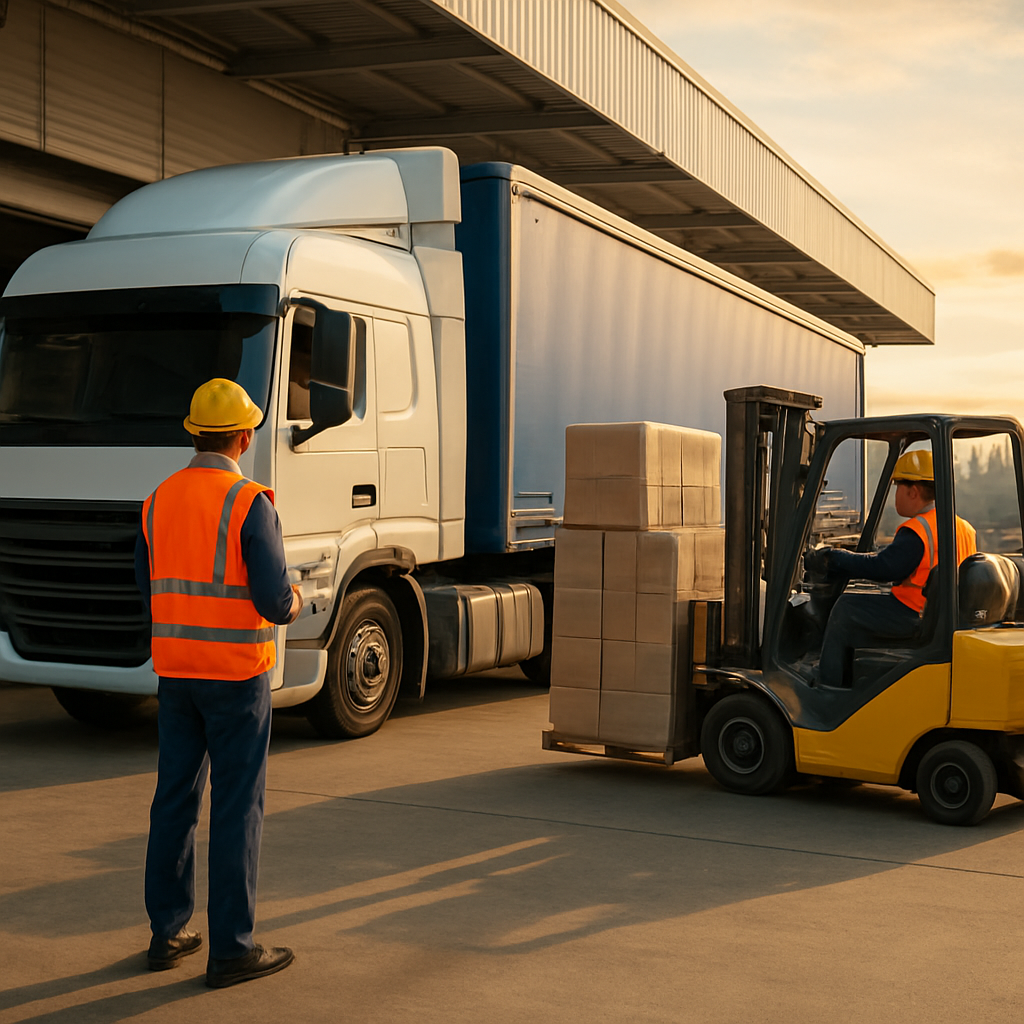
Shifting from loose cartons to palletised freight dramatically speeds up loading and unloading. Forklifts and pallet jacks can move bulk product in one lift, cutting warehouse dwell times and driver waiting fees. This efficiency is vital for Road Freight in Australia, where tight booking windows and congestion already squeeze delivery schedules. Faster turns at depots reduce overtime, simplify shift planning and limit bottlenecks during peak periods. For many shippers, these time savings translate directly into lower labour costs and more predictable dispatch operations.
2. Stronger Product Protection and Fewer Claims
When cartons are wrapped, strapped and stabilised on pallets, they are less exposed to crushing, moisture and accidental impacts. This is especially important for FMCG, manufacturing and e-commerce operators where damage quickly erodes profit. Palletised cargo delivery options reduce individual touch points, a major cause of in-transit breakages. Fewer damaged consignments mean lower insurance claims, less administrative overhead and fewer awkward conversations with key accounts. Over time, this reliability builds trust and supports long-term customer relationships.
3. Better Use of Space and Lower Linehaul Costs
Pallet freight transport standardises load dimensions, helping carriers optimise trailer and container capacity. Stackable, well-built pallets allow more units per trip, spreading fuel, toll and driver costs over a higher payload. For businesses running regular lanes, this can support more cost-effective freight transport and sharper pricing. Accurate pallet counts also improve freight quotes and budgeting in an environment of fluctuating fuel and wage costs. Smarter utilisation ultimately means fewer trucks on the road and a smaller emissions footprint per unit moved.
4. Enhanced Visibility with Integrated Technology
Barcode scanning, RFID and GPS are increasingly embedded into pallet freight workflows. Each pallet can be scanned at pickup, depot and delivery, feeding real-time data into logistics and shipping solutions platforms. This visibility supports proactive customer communication and rapid exception management when delays or misroutes occur. Government-backed initiatives such as the National Freight and Supply Chain Strategy highlight digital tracking as a key driver of productivity, as outlined on the Australian Government’s freight policy pages at https://www.infrastructure.gov.au/infrastructure-transport-vehicles/transport-strategy-policy/national-freight-and-supply-chain. For shippers, better data underpins smarter planning and service benchmarking.
5. Flexibility for Seasonal and Growing Demand
Pallet freight transport scales smoothly as volumes rise, making it ideal for seasonal or fast-growing businesses. Operators can move from occasional pallets to scheduled services without investing in their own fleet. This flexibility suits domestic logistics and shipping models where demand can spike around promotions or harvest windows. Access to a carrier’s depot network, regional routes and value-added warehousing helps absorb volatility. It also supports hybrid cargo delivery options, blending linehaul, regional distribution and local last-mile services.
6. Expertise from Specialist Pallet Freight Providers
Partnering with a specialist in road freight transportation services brings compliance knowledge and operational discipline. Experienced carriers advise on pallet configuration, dangerous goods rules, weight limits and packaging standards that influence delivery success. They can benchmark your business cargo delivery services spend, highlighting route consolidation or interstate freight shipping solutions that reduce cost per pallet. For temperature-controlled cargo delivery or high-value items, this expertise is particularly critical. A capable provider effectively becomes an extension of your supply chain team, rather than just another supplier.
- Confirm your current freight profile: volumes, lanes, peak periods and special handling needs.
- Assess where palletisation could replace loose cartons to cut handling time and damage.
- Compare pallet-based cargo delivery options and pricing across key corridors.
- Review service levels, tracking capabilities and depot coverage from shortlisted carriers.
- Run a small trial lane to validate performance, visibility and cost savings before scaling.
If you’re ready to tighten up your pallet freight operations and unlock more reliable door-to-door logistics solutions, now is the time to act. Speak with a local transport specialist to review your current network, identify quick wins and design a tailored pallet freight transport strategy. A focused discussion can reveal hidden cost drivers, service risks and opportunities to streamline your supply chain. Enquire today to request a detailed freight assessment and customised proposal for your business.

Related posts
Challenges and Opportunities in Australia’s Road Freight Industry
Australia’s road freight industry is a crucial component of the nationR

Road Freight Resilience: Coping with Supply Chain Disruptions
In today’s interconnected world, supply chain disruptions have become an u
Can Rail Solve Australia’s Freight Capacity Problem? The Growing Shift from Road to Rail
Australia’s freight network is under pressure. Population growth, port activit
