




Interstate Coastal Shipping: A Smart Choice for Cargo Transport
Interstate Coastal Shipping: A Smart Choice for Cargo Transport
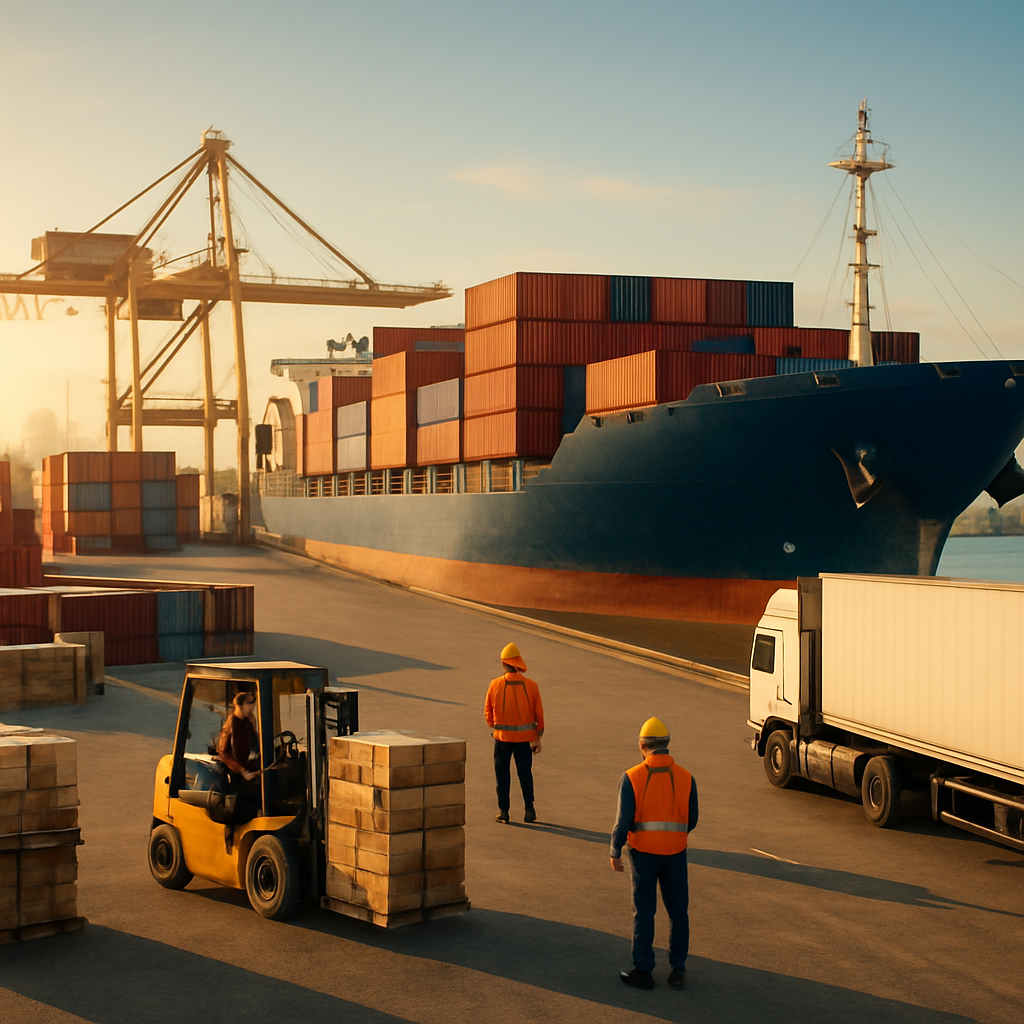
Interstate coastal shipping in Australia is shifting from a niche mode to a strategic lever for freight resilience, cost control, and lower emissions across key domestic corridors.
For Australian cargo owners, interstate coastal shipping is emerging as a practical response to capacity constraints on road, tightening environmental expectations, and rising network risk. While sea freight currently carries a minority share of domestic freight, it already delivers billions of tonne-kilometres annually and is well placed to grow as supply chains are redesigned. The shift is not about replacing trucks, but rebalancing portfolios so that the right cargo travels on the right mode at the right time.
Why interstate coastal shipping matters now
Interstate coastal shipping offers structural advantages on long east–west and north–south lanes where predictable, high-volume cargo dominates. Compared with road, vessels typically provide lower emissions intensity per tonne-kilometre and a more stable cost base, which is critical as fuel, labour, and compliance costs rise. By diverting suitable volumes from highways, shippers also reduce exposure to driver shortages, fatigue risks, and weather-related disruption that can derail just-in-time operations.
The efficiency and network benefits of coastal freight
Modern coastal interstate cargo services are increasingly integrated with ports, intermodal terminals, and metropolitan warehousing, enabling leaner end-to-end flows. As ports invest in automation and better rail interfaces, businesses can design interstate shipping services that combine sea legs with efficient last-mile and regional haulage. These network effects reduce dwell times, support higher asset utilisation, and open the door to cost-effective coastal freight on steady, repeatable lanes that do not require same-day delivery.
The strategic opportunity extends beyond cost. Domestic coastal freight solutions materially support corporate decarbonisation pathways, particularly when combined with rail and optimised road legs. Public analysis from the Bureau of Infrastructure and Transport Research Economics confirms that shifting appropriate freight tasks from trucks to ships can significantly reduce emissions intensity while easing pressure on public road maintenance budgets. This creates an attractive narrative for investors, regulators, and communities demanding credible climate action from supply chain leaders.
Operators such as Domestic & Coastal in Australia are leaning into this opportunity by developing coastal freight solutions that are designed around predictable volumes, transparent schedules, and integrated landside logistics. For shippers, this unlocks flexible interstate freight options, including door-to-door interstate shipping models on key lanes. The most successful adopters start with targeted pilots, closely track transit reliability and cost-to-serve, then scale lanes that demonstrate resilient performance under real-world conditions.
Looking ahead, regulatory reform of coastal trading laws, combined with port and intermodal investments, is likely to expand interstate coastal freight options and sharpen competition. Supply chain leaders should now map their lane profiles, identify freight suited to interstate sea freight services, and test scenarios for different market and regulatory futures. To dive deeper into the policy context and long-term freight outlook, logistics strategists can review the Australian Government’s detailed freight statistics and projections via the Bureau of Infrastructure and Transport Research Economics at https://www.bitre.gov.au. Now is the moment to critically review your freight strategy, quantify the role of coastal interstate cargo services, and engage with specialists who can help design and implement a balanced, future-ready coastal freight plan.

Related posts

Digital Solution to Track Vessel Emissions
Due to the regulations on carbon emissions becoming increasingly more stringent,

Eco-friendly VLCC – A World First
In September China received the first delivery today from an eco-friendly VLCC,
As Capacity Slowly Increases, Air Freight Demands Returns to Normal
Even though capacity is making a slow increase, demand for airfreight has contin
