




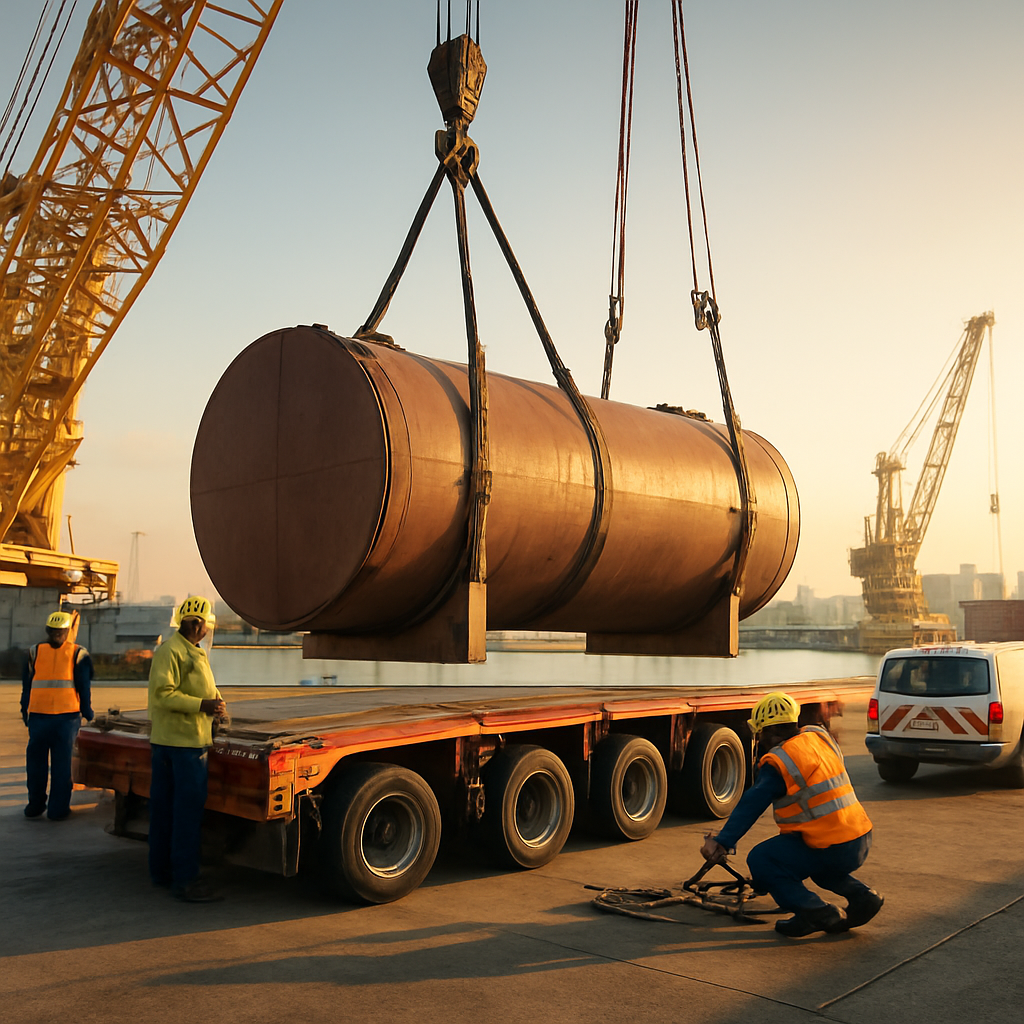
Heavy Lift Cargo Transport: Key Strategies for Australian Projects
Australia’s booming mining, energy and infrastructure sectors depend on moving enormous, high‑value components safely and on time. Yet heavy lift cargo transport is still too often treated as an operational detail rather than a strategic risk. When complex lifts and moves are pushed to the end of the planning process, projects can be exposed to spiralling costs, schedule shocks and safety compromises that were entirely avoidable.
- Contract variations driven by underestimated transport constraints
- Cost blowouts from last‑minute route changes or additional barge legs
- Idle construction crews and plant waiting on delayed components
- Increased exposure to damage, safety incidents and insurance disputes
- Strained relationships between owners, EPCs, carriers and regulators
Why Heavy Lift Cargo Transport Is a Hidden Risk in Australian Projects
Heavy lift cargo transport in Australia typically involves moving oversize and over‑mass equipment across long distances using road, rail and coastal shipping. Remote mine sites, constrained regional highways and ports running close to capacity create a narrow operating window for safe movement. Where planning is shallow, project teams may only discover route restrictions, axle‑load limits or port lifting gaps after major contracts are signed, forcing expensive redesign or staging of equipment.
Early Warning Signs Your Heavy Lift Plan Is Not Fit for Purpose
Red flags often appear early but are easy to overlook amid broader project pressures. These include treating heavy lift as standard freight, assuming a single carrier quote reflects market reality, or pushing permit applications to the back end of the schedule. Vague “TBC” notes in lift studies, unconfirmed laydown areas and unclear ownership of demurrage or delay risk all signal that heavy lift logistics solutions have not been fully stress‑tested against real‑world Australian conditions.
Project Logistics in Australia and the Cost of Late Planning
Across WA, Queensland, NSW and Victoria, Project Logistics in Australia is being reshaped by tighter road authority controls and ageing regional infrastructure. Bridges that cannot carry today’s turbines or transformers can trigger enforced detours, extra trans‑shipment points or even splitting large units into multiple pieces. Infrastructure Australia has highlighted how logistics inefficiencies can add materially to total project out‑turn cost, underscoring the need for integrated project supply chains and disciplined supply chain management from the concept stage.
Misconceptions That Put Australian Projects at Risk
A persistent misconception is that heavy lift is “just trucking” supported by generic transportation solutions or freight forwarding services. In practice, each state applies different oversize and over‑mass rules, ports differ widely in berth and crane capability, and seasonal weather such as cyclones in the north can shut down movements for weeks. Overseas EPCs and oversized cargo forwarding experts may not fully understand australian project cargo supply chain bottlenecks or the need for multimodal freight coordination services tailored to local realities.
Warning signs that you need specialist project freight forwarding input include conflicting route surveys, repeated technical queries from regulators, or critical equipment lead times slipping because transport studies keep changing. Independent analysis, supported by Infrastructure Australia’s guidance on nationally significant freight corridors at https://www.infrastructureaustralia.gov.au/, can help owners reassess risks before final investment decisions. For complex heavy lift campaigns, end-to-end transport solutions and tailored industrial logistics solutions are often the only realistic way to protect budget, program and safety outcomes.
Before your next major investment advances beyond feasibility, review your heavy lift strategy against these warning signs and assumptions. If you see gaps in planning, unclear responsibilities or over‑reliance on optimistic carrier advice, now is the time to engage heavy lift specialists and explore structured heavy lift logistics solutions. A short, expert review today can prevent costly redesign, delays and disputes once steel is already on the road or waiting at the port gate.

Related posts
Moderation in Container Spot Rate Increases Hints at Approaching Peak
In the surest sign yet that soaring container spot freight rates may have reache
3 Major Risks in Project Logistics and How to Avoid Them
Project logistics is the process of planning, executing, and managing the moveme

Flexport Further Reduces Workforce
Supply chain logistics company Flexport is again trimming its workforce — this
