



Sea Freight: Definition, Benefits, Costs, and Challenges in 2026
Sea freight, or ocean freight, is a cornerstone of international trade for Australian importers and exporters who need a reliable, scalable way to move large volumes of goods. For businesses comparing options, understanding how Sea Freight in Australia works — and how it stacks up against air or road — is essential to controlling cost, transit time, and supply chain risk.
Sea Freight Definition
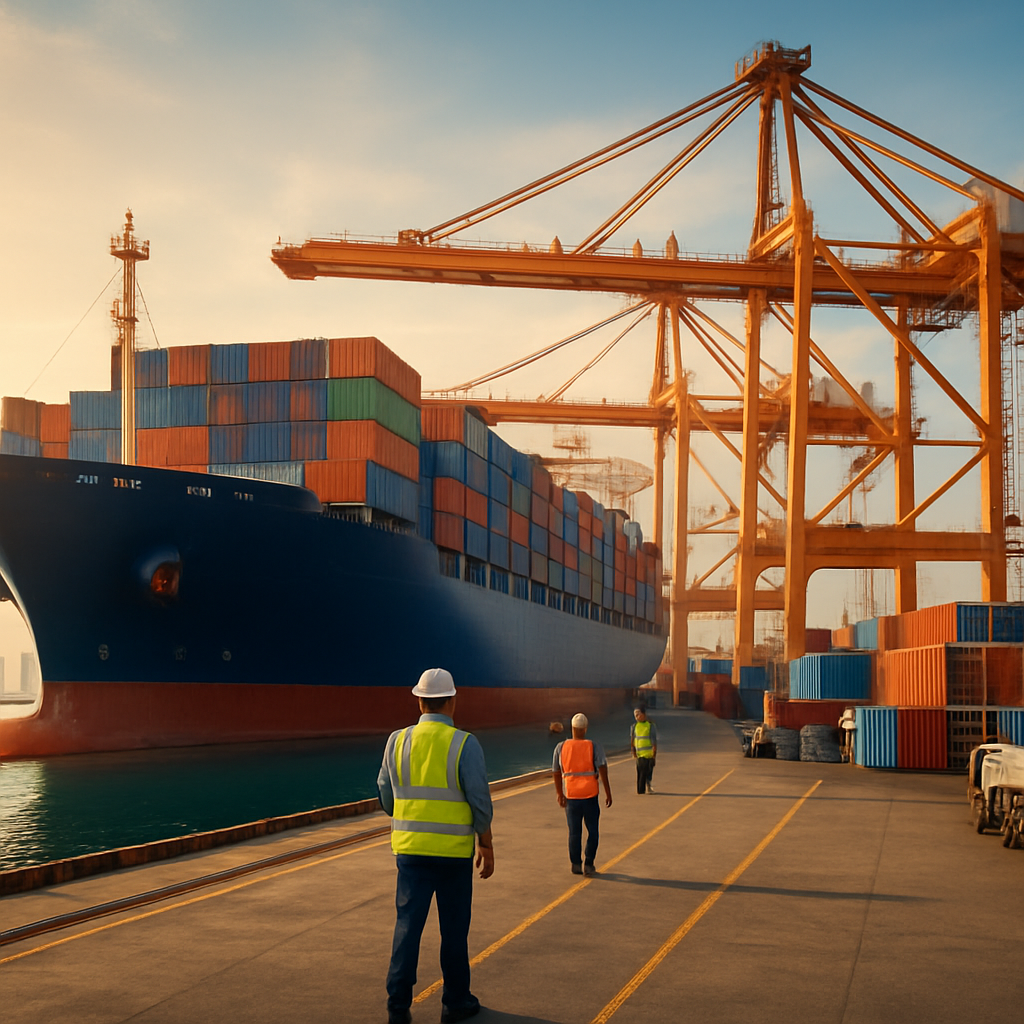
Sea freight refers to transporting goods in containers aboard cargo vessels across international waters, typically using standardised 20- or 40-foot units. It underpins most Ocean shipping logistics globally, especially for bulky, heavy, or lower-value goods where speed is less critical than price. In the Australian context, major ports such as Sydney, Melbourne, Brisbane, Fremantle, and Adelaide form the backbone of these flows. Businesses usually choose between FCL (Full Container Load) and LCL (Less than Container Load) based on shipment size, urgency, and budget.
Key Sea Freight Solutions and Options
Modern australian container shipping services offer a spectrum of Container shipping options, from FCL and LCL to specialised equipment like refrigerated (“reefer”) and open-top containers. FCL suits volume shippers wanting maximum control, while LCL allows smaller consignments to share space and cost. Beyond physical containers, providers may bundle inland transport, warehousing, and tracking tools into end-to-end ocean shipping solutions. For many SMEs, the real decision is not just mode, but which mix of services delivers predictable schedules, transparent pricing, and manageable risk.
Costs, Risks, and Planning Considerations
Sea freight is usually more economical than air, but the total bill extends beyond base freight rates to port charges, insurance, and fuel surcharges. Effective ocean freight logistics planning also weighs seasonality, port congestion, and sailing frequency on chosen trade lanes. Importers and exporters need to factor in potential delays, storage fees, and the impact of longer transit times on inventory and cashflow. Comparing containerised freight choices australia by corridor and service level can highlight where slightly higher freight spend may reduce stockouts and disruption.
- Clarify shipment profile, including volume, weight, dimensions, and temperature or handling needs before choosing sea container options.
- Assess the full Customs documentation process, including import customs paperwork steps and export customs clearance workflow.
- Evaluate transit times, sailing frequency, and carrier reliability on your specific trade lane.
- Use a sea freight customs paperwork guide or specialist advice to avoid costly delays and penalties.
- Benchmark quotes and service levels, then shortlist providers that offer genuine end-to-end visibility and support.
Regulation and documentation are critical in Sea Freight in Australia, where strict biosecurity and quarantine standards apply. Businesses must navigate packing declarations, commercial invoices, and in some cases treatment certificates, supported by trustworthy advice on the Customs documentation process. For technical background on global standards that influence local practice, the World Customs Organization outlines key principles at https://www.wcoomd.org/. When in doubt, partnering with a specialist who understands local rules and ocean freight logistics planning can be the difference between smooth clearance and costly holds.
To choose the right sea freight solution, Australian businesses should compare service models, clarify documentation obligations, and weigh cost against reliability and transit time. If you are planning your next shipment, speak with a logistics expert who can map your trade lane, explain FCL versus LCL in context, and help tailor a compliant, resilient shipping plan — then use that advice to confidently compare quotes and book the option that best supports your growth.

Related posts
Maersk’s New D&D Calculations Seen as Benefiting ‘Liner Pockets’
A change in the way Maersk calculates detention and demurrage (D&D) rules wi
Sustainable Shipping Practices: Green Initiatives in Ocean Freight
In today’s world, where environmental concerns are at the forefront of glo
Suez Canal Blockage: Industry Update
Across the Ocean Shipping want to ensure all our customers that we are working c
