




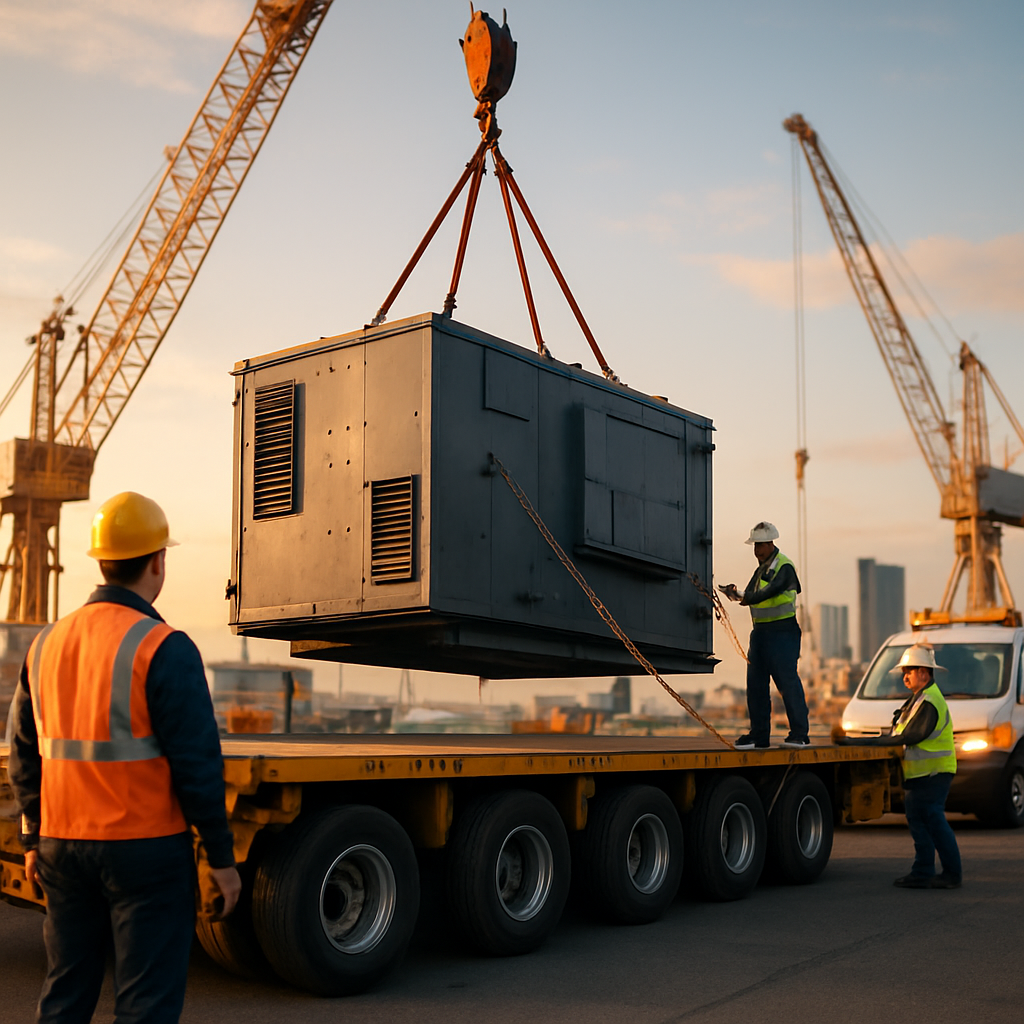
Construction Equipment Transport: Best Practices in Australia
Construction equipment transport in Australia is high-stakes work, where tight deadlines collide with strict regulation, remote conditions and high-value machinery. Choosing the right partner can be the difference between smooth mobilisation and costly downtime. This guide outlines five best practices for construction equipment transport that protect your people, plant and program while supporting future growth.
1. Understand Australian regulations for construction equipment transport
Before a machine moves, operators must navigate the National Heavy Vehicle Regulator framework, state-based permits and local council conditions. Oversize and overmass movements can trigger curfews, pilot vehicles and route pre-approvals. Missteps expose contractors to delays, fines and reputational damage. Partnering with specialists who live and breathe compliance helps embed safety, documentation discipline and reliable supply chain management into every move.
2. Match trailers and configurations to your machinery
Selecting between low loaders, drop-decks and extendable combinations is more than a pricing exercise; it underpins safety and asset protection. The right trailer minimises loading angles, respects axle loadings and manages centre-of-gravity risks for cranes, piling rigs and large excavators. Detailed engineering checks, axle spacing assessments and yard access reviews support safer transportation solutions that keep projects on schedule and budgets under control.
3. Prioritise safe loading, securing and unloading procedures
Most serious incidents occur during loading or unloading, not on the highway. Robust ground assessments, spotters, exclusion zones and radio communication reduce the risk of roll-aways, falls and crush injuries. Attachments should be lowered, isolated and clearly tagged, with chain lashings and tensioners applied to Australian load restraint standards. For many contractors, engaging Project Logistics in Australia brings structured procedures, independent audits and end-to-end logistics visibility to every mobilisation.
4. Plan routes and timing for Australian conditions
Regional highways, flood-prone crossings and unsealed access tracks make route design a critical discipline. Pre-drive surveys, bridge and culvert assessments, and consultation with local authorities help avoid last-minute diversions. Integrating multi-modal transport coordination, such as coastal shipping or rail legs where viable, can ease pressure on road networks. A provider offering construction logistics planning support will also factor in community impacts, school zones and seasonal weather patterns.
5. Manage biosecurity, documentation and risk transfer
Biosecurity officers across the states are increasingly focused on mud, seed and contaminant transfer on earthmoving gear. Thorough wash-downs and documented inspections reduce delays and protect sensitive agricultural regions, with guidance available from the Department of Agriculture, Fisheries and Forestry at https://www.agriculture.gov.au/biosecurity. Detailed condition reports, risk assessments and load plans complement freight forwarding services, door-to-door project freight and australian heavy haulage solutions to support cost-efficient project cargo delivery and integrated project supply chains.
- Clarify responsibilities for specialised project freight forwarding, damage reporting and incident escalation before mobilisation.
- Confirm that your provider can scale transportation solutions rapidly as project scopes change.
- Ask how digital tools improve end-to-end logistics visibility and reporting for stakeholders.
- Review insurance coverage, excesses and exclusions for all mobile plant in transit.
- Ensure your partner can align construction moves with broader integrated project supply chains.
If you are planning upcoming heavy moves or want to de-risk current mobilisation programs, now is the time to engage a specialist logistics partner. Look for a team that understands both construction and long-distance freight, offers compliant australian heavy haulage solutions, and can coordinate multi-modal transport coordination across complex corridors. Speak with our specialists today to discuss tailored transportation solutions and request a detailed quote for your next project move.

Related posts
Southbound Rate Restoration from North Asia to Australia
MSC Mediterranean Shipping Company wishes to advise customers that in order to m
Baltimore Plans Explosive Demolition for Collapsed Bridge
The task force working on the restoration of full access to the port of Baltimor
Red Sea Rerouting Sparks Asian Port Congestion
Diversions of container ships via the Cape of Good Hope has resulted in a contin
