




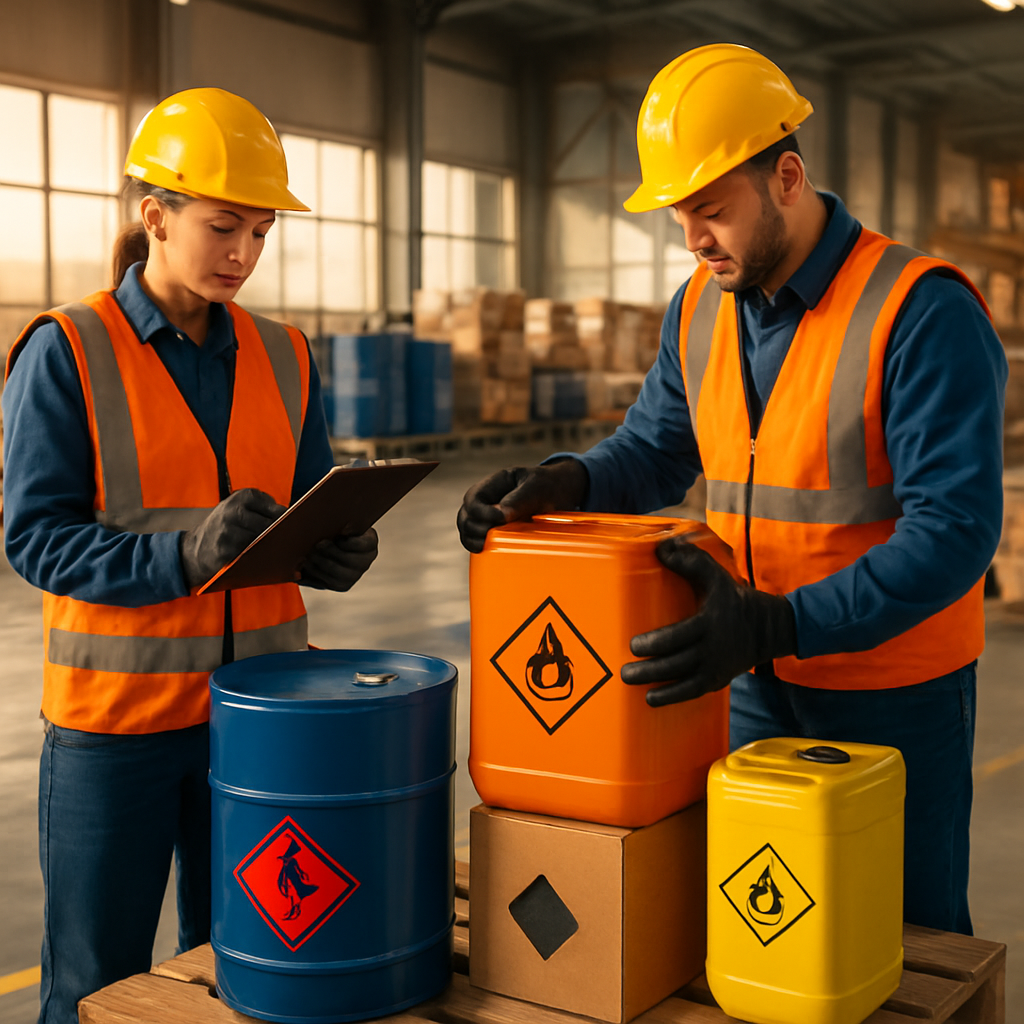
DG Sea Freight: Key Guidelines for Shipping Dangerous Goods
Dangerous goods moved by sea demand more than standard freight capability; they require specialist control, documentation, and risk management from booking to discharge. In Australia, the keyword Hazardous Goods in Australia reflects both strict compliance expectations and the real operational impacts of getting DG sea freight wrong. Shippers must balance cost, transit time, and reliability while ensuring every movement meets marine regulations for dangerous goods and avoids delays, fines, or vessel refusal.
DG Sea Freight: Understanding Your Obligations
All DG sea freight in Australia is governed by the IMDG Code, adopted locally through AMSA and state legislation. Providers must interpret shipping regulations for chemicals accurately, align with australian chemical shipping rules, and keep pace with biennial IMDG amendments. For shippers, the core decision is whether a provider simply “processes” documents or actively owns compliance for each consignment. That difference determines how exposed your business is when an SDS, UN number, or packing group is challenged on the wharf.
A generalist forwarder may rely on third-party support for classification, declarations, and safety protocols for transport. By contrast, a DG specialist builds dangerous goods handling procedures into every operational step, from sales through to vessel load list submission. This depth reduces the risk of misdeclared cargo, terminal holds, and costly rework close to cut-off. It also provides clearer accountability when multiple parties are involved, including packers, consolidators, and transport providers.
- Rigorous review of Safety Data Sheets and UN classifications before booking acceptance
- In-house IMDG-certified staff preparing and checking all DG documentation
- Structured quality control over the safe loading of chemical containers and segregation
- Documented transport safety protocols for dg to manage port, terminal, and carrier rules
- Proactive communication with terminals and carriers when requirements or risks change
How Our DG Sea Freight Approach Stands Apart
Our team focuses on complex freight with a strong emphasis on DG sea transport, supported by advanced IMDG certification and regular AMSA-aligned training. Rather than treating DG documentation as an add-on, we integrate chemical transport safety guidelines into our core operating procedures and auditing. This approach gives shippers predictable outcomes: fewer rollings, cleaner inspections, and a defensible compliance trail that stands up to regulatory scrutiny.
Process, Control, and Practical Risk Reduction
From the outset, we run a structured product assessment to validate SDS data, proper shipping names, and packing groups against chemical cargo safety standards. We then confirm packaging, marks, labels, and segregation, ensuring dangerous materials handling aligns with both international rules and port-specific conditions. Our team monitors compliance for hazardous freight across the full journey, coordinating with your warehouse to align packing and stowage with IMDG and Marine Orders.
- Detailed review of proposed routings where marine regulations for dangerous goods are restrictive
- Scenario-based advice when consolidating multiple DG classes into shared containers
- Clear explanation of DG surcharges, port fees, and documentation requirements upfront
- Active coordination with your safety and operations teams to align internal policies with IMDG
- Use of authoritative guidance from the Australian Maritime Safety Authority at https://www.amsa.gov.au to support decisions
For Australian exporters and importers seeking confident control over DG sea freight, our differentiated approach combines technical expertise, disciplined process, and transparent communication. We help you compare options, understand true risk drivers, and build a repeatable framework for DG shipments rather than relying on ad hoc fixes at the terminal. To review your current DG setup, recent near misses, or future product launches, contact our team to arrange a structured consultation and move forward with clarity.

Related posts
The Role of Technology in Hazardous Goods Transportation
The transportation of hazardous goods is a complex and risky business that requi
Understanding Hazardous Goods Shipping in Australia: A Guide
Understand hazardous goods shipping in Australia, from ADG Code compliance to tr
Navigating Hazmat Transport Services in Australia: What to Know
Learn how to choose safe, compliant hazmat transport services in Australia, from
