




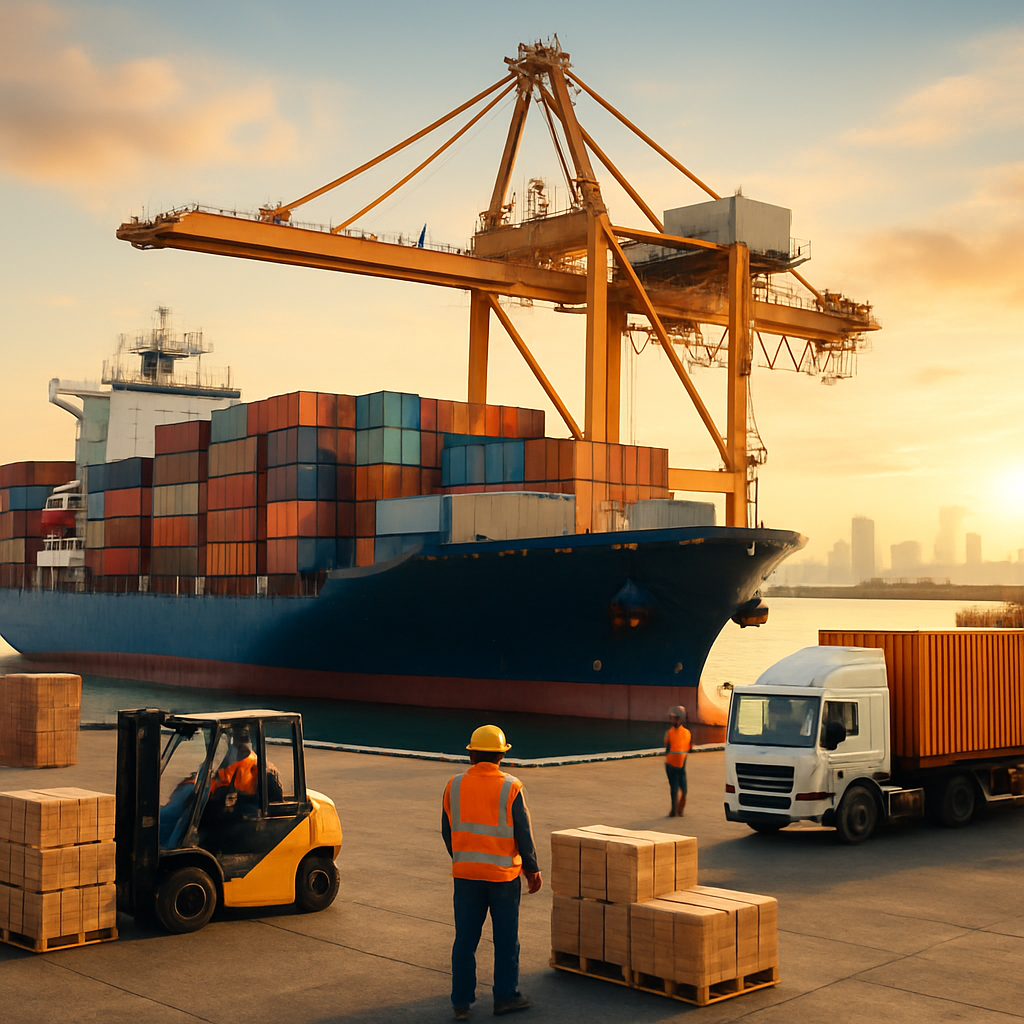
Coastal Container Shipping: Benefits for Australian Enterprises
Coastal container shipping gives Australian businesses a practical, low-risk way to move goods around the country with confidence. Compared with long-haul road or air, it offers consistent schedules, lower costs per unit, and fewer emissions, making it attractive for enterprises focused on both efficiency and sustainability. By using Australia’s established port network, coastal shipping helps reduce pressure on road corridors while offering predictable transit times and clear tracking. This combination of reliability, transparency, and value makes it easier for logistics managers to justify a shift in strategy and reassure internal stakeholders.
“When coastal container shipping is planned well, it becomes a dependable backbone for domestic trade, lowering costs, emissions, and operational risk for Australian businesses.”
Coastal container shipping for cost-efficient reliability
For many shippers, the biggest concern is whether coastal container shipping can match the dependability of trucks across long distances. Modern domestic services use fixed schedules, port time slots, and advanced tracking to provide clear visibility from departure to delivery. Because vessels avoid highway congestion and driver fatigue, schedules tend to be more stable across peak seasons and public holidays. This can make cost-effective interstate freight easier to forecast, helping planners lock in budgets and stock levels with less uncertainty.
How coastal container shipping supports scalable Australian supply chains
Coastal container shipping is especially valuable for businesses moving large, regular volumes along the seaboard. Vessels can handle substantial capacity in a single sailing, which suits retailers, manufacturers, and importers needing scalable coastal freight services as they grow. Containers can accommodate everything from palletised FMCG through to bulky machinery, simplifying domestic interstate container transport under one mode. When paired with local delivery options at each port, this approach reduces handling steps and associated risk of damage, mislabelling, or delays.
Reducing risk, emissions, and uncertainty through structured processes
Trust in coastal freight solutions is built through transparent processes, safety standards, and clear communication at every handover point. Reputable providers coordinate tightly with stevedores, rail operators, and regional carriers to keep containers moving smoothly from wharf to final destination. Many operators now use fuel-efficient vessels that emit fewer greenhouse gases per tonne-kilometre than road, supporting corporate ESG reporting and national sustainability goals, as confirmed by data from the Bureau of Infrastructure and Transport Research Economics at https://www.bitre.gov.au. When combined with reliable coastal delivery services and clear service level agreements, businesses gain both environmental and operational assurance.
Australian logistics teams comparing interstate shipping services often weigh price against reliability and control. Coastal solutions help strike that balance by locking in predictable freight windows while keeping linehaul costs competitive over long distances. Where needed, interstate coastal freight options can be combined with door-to-door interstate sea freight to streamline movements from supplier to customer. Businesses exploring Domestic & Coastal in Australia can also integrate coastal shipping delivery choices with warehousing and cross-docking to minimise dwell time. For organisations managing australian interstate sea freight on a regular basis, this integrated approach builds resilience into the supply chain and reduces dependence on single transport modes.

Related posts
Chinese Export tariffs on Australian Businesses
It is no hidden secret that there have been rising tensions between China and Au

Digital Solution to Track Vessel Emissions
Due to the regulations on carbon emissions becoming increasingly more stringent,
Maritime Regulator Sets Carbon Measures Amid Dissent
The world’s top maritime regulator has agreed to a plan to cut the “carbon-i
