




Project Logistics in Australia: Essential Services for 2026
Australia’s energy transition is reshaping how complex freight is planned, financed and delivered. Project Logistics in Australia has become a strategic advantage for developers, EPCs and asset owners racing to connect new generation and storage by 2026. With record volumes of wind, solar, transmission and resources projects converging, the right logistics partner can mean the difference between grid connection on time and costly liquidated damages.
1. End-to-End Project Planning & Feasibility
Serious investors now expect logistics feasibility to sit alongside technical and commercial studies. Robust planning maps route constraints, permit lead times, port access and laydown needs before contracts are let. This is where integrated project supply chains are built, aligning design, procurement and construction with realistic freight schedules. Early engagement can uncover design tweaks that avoid future rework, such as modularisation to suit bridge limits or port crane capacities.
2. Heavy Lift & Oversize Transport Expertise
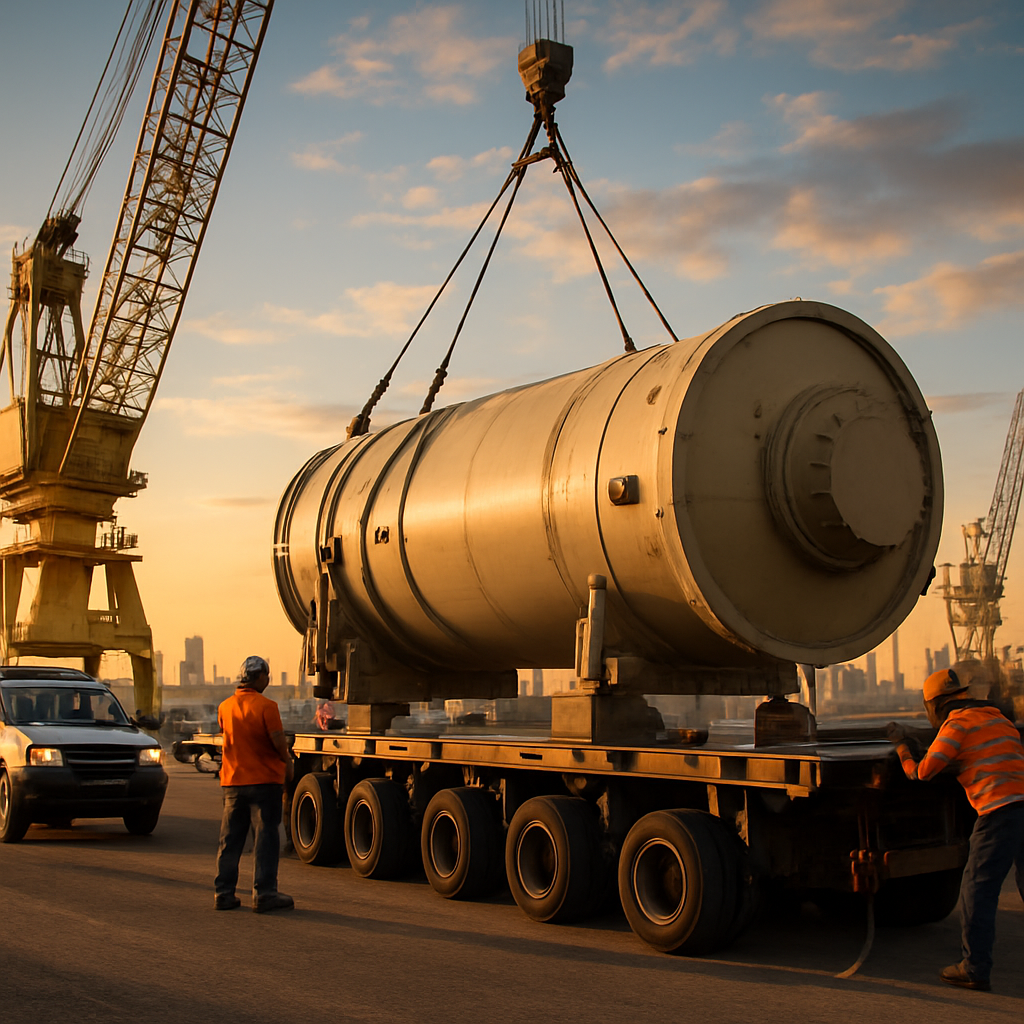
Wind blades longer than 80 metres and transformers weighing hundreds of tonnes demand heavy project freight services, not standard haulage. Specialist carriers manage OSOM permitting, bridge engineering checks, pilot vehicles and community notifications across multiple jurisdictions. When this capability is missing, projects face last-minute council objections, curfews or diversion routes that blow out budget and time. Deep industrial logistics management helps stage deliveries to match crane windows and construction sequencing.
3. Port, Wharf & Laydown Coordination
Ports such as Newcastle, Gladstone and Port Kembla are emerging as renewables gateways, but berth and storage space are tightening. Coordinated port logistics ensures discharge plans, quarantine inspections and landside trucking are synchronised to avoid demurrage. This is where project cargo freight forwarding intersects with on-the-ground stevedoring and yard operations. Efficient port handling keeps components protected, documented and ready to roll when weather and labour availability align.
4. Multi‑Modal Transport Integration
As more projects move inland, multi-modal transport planning becomes critical to control cost and emissions. Combining rail, road and coastal shipping can ease pressure on regional roads while maintaining tight construction milestones. Skilled australian project cargo experts weigh trade-offs between transit time, route safety and availability of specialised equipment. When done well, end-to-end transport solutions reduce fuel burn, driver fatigue risk and the number of convoys passing through small communities.
5. Compliance, Safety & Stakeholder Confidence
Regulators, insurers and communities are taking a harder line on safety and social impact. Comprehensive supply chain management now includes fatigue regimes, route risk assessments and transparent engagement with local councils and Traditional Owners. This reduces incident risk and builds trust for repeat projects in the same region. Providers offering specialised logistics solutions can also navigate complex industrial relations environments and dangerous goods rules that vary across states and territories.
- Digital tracking and exception alerts for high-value components.
- Data-driven transportation solutions that optimise convoy timing.
- Carbon reporting aligned with investor ESG expectations.
- Integrated dashboards for finance, engineering and site teams.
- Benchmarking against similar Australian energy and resources projects.
Businesses planning complex builds increasingly expect freight forwarding services to plug directly into project controls systems, offering real-time GPS, milestone evidence and emissions data. Authoritative guidance from Infrastructure Australia on priority freight routes and future capacity helps inform these decisions, with up-to-date resources available via the official Infrastructure Australia website at https://www.infrastructureaustralia.gov.au. For projects heading toward FID, partnering with experienced Project Logistics in Australia specialists from concept design through commissioning helps de-risk delivery, protect capital and keep lenders confident. To discuss tailored support for your next build, request a consultation with our team and explore how integrated logistics can safeguard your schedule and budget.

Related posts

The Rise of Intermodal Freight Transportation: Combining Modes for Efficiency
Intermodal freight transportation has emerged as a transformative solution in th
Navigating Complexity: Strategies for Successful Project Logistics
In the realm of freight management, project logistics, stands out as a specializ

Port Operations Halted in Bangladesh and India as Cyclone Remal Strikes
Services at Chittagong were suspended for 54 hours until noon today, while opera
