




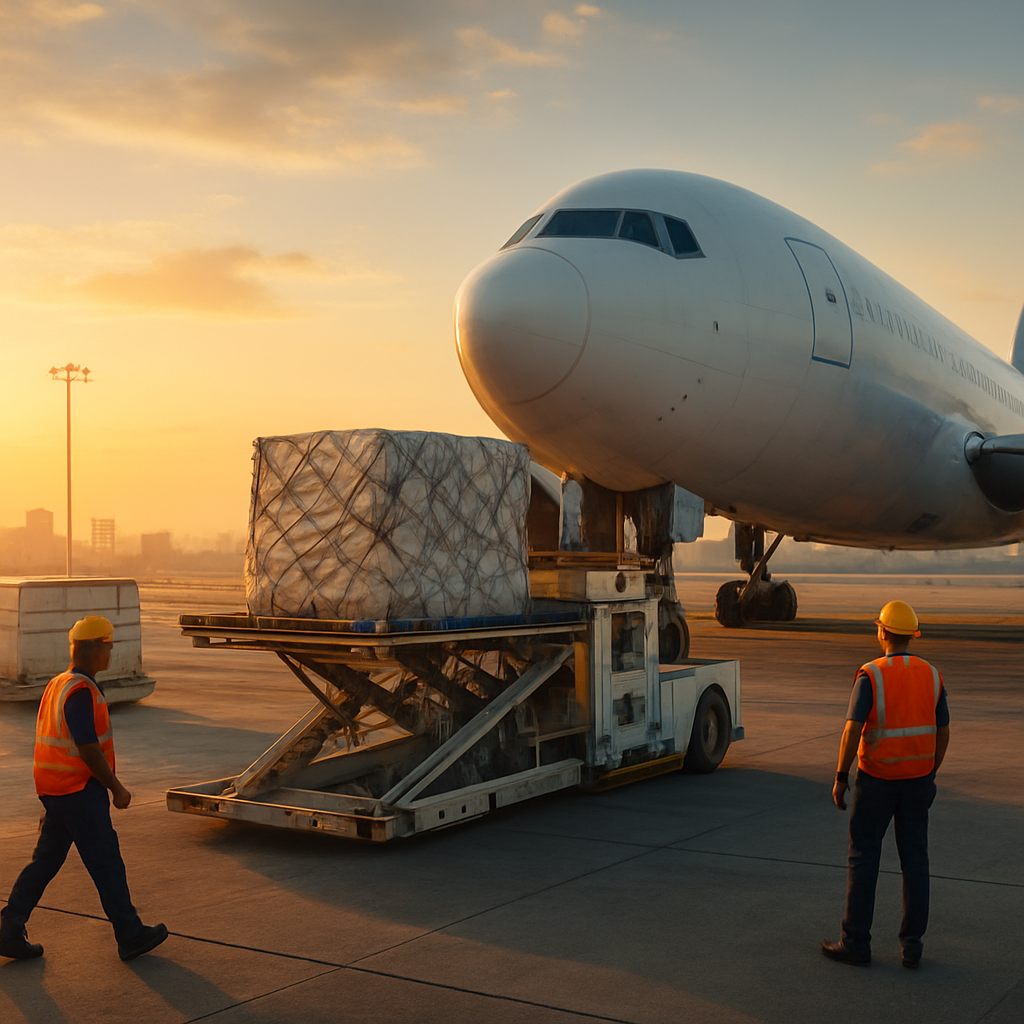
Essential Guide to Air Freight Forwarding for Australian Businesses
Air freight in Australia underpins many high-performing supply chains, particularly for exporters and manufacturers that cannot afford delays. For businesses weighing their logistics options, the real question is not simply which mode is fastest, but which partner can consistently manage risk, cost, and reliability across complex routes and strict deadlines.
Understanding Air Freight Forwarding for Australian Businesses
At its core, air freight forwarding coordinates aircraft capacity, ground handling, customs, and last‑mile delivery into a single, accountable service. Unlike basic International cargo shipping, a specialist forwarder designs a door‑to‑door solution that integrates compliance, security, and visibility. This is crucial for regulated sectors such as pharmaceuticals, mining equipment, and high‑value electronics, where documentation errors or handling mistakes can be far more costly than the freight itself.
What separates premium providers is their ability to match the right service level to each shipment profile. For example, time-critical export freight requires different routing, cut‑off times, and airline relationships than routine replenishment stock. A strong forwarder will also advise on Air freight pricing factors, such as chargeable weight, dimensional weight, and seasonal capacity constraints, helping you choose between speed and cost without compromising reliability.
Key Benefits and Competitive Edge in Air Freight Forwarding
Professional forwarders differentiate themselves by converting complex, cross-border air freight logistics into a predictable and well‑communicated process. They invest in tracking platforms that give operations teams real‑time milestones, exception alerts, and shipment analytics. This level of transparency allows your business to plan production schedules, inventory buffers, and customer commitments with greater confidence, reducing expensive safety stock and last‑minute expediting.
Advanced operators also build strong airline partnerships and block‑space agreements to secure capacity during peak periods. This becomes critical for urgent air cargo services around Christmas or major promotional events. Rather than reacting to delays, a strategic forwarder designs contingency plans, alternative routings, and priority air shipment options, so your freight keeps moving even when the global network is under pressure.
- Detailed air freight cost breakdown tied to service levels and routes
- Integrated customs and biosecurity compliance for Australian imports and exports
- Scenario planning for Urgent shipment logistics and seasonal demand spikes
- Digital shipment dashboards, automated notifications, and exception reporting
- Consultative support to align freight strategies with broader supply chain goals
Choosing the Right Air Freight Partner in Australia
When shortlisting providers, Australian businesses should look beyond headline transit times and compare how each forwarder manages risk, communication, and accountability. Assess whether they offer global air cargo solutions via multiple carriers and hubs, or rely on a narrow network that may limit flexibility. Ask how they handle international express air freight versus economy services, and how quickly they escalate and resolve disruptions.
Key Questions That Reveal True Differentiation
Useful evaluation questions include how shipment data is shared with your ERP, what SLAs apply to response times, and how claims or delays are investigated. Strong partners will be able to reference industry standards from bodies like the International Air Transport Association (IATA) and explain how their processes align with best practice, as outlined by resources such as the IATA cargo operations guidelines at https://www.iata.org/en/programs/cargo/. Their answers will reveal whether they are simply moving boxes or providing rapid international freight forwarding that genuinely supports your business strategy.
- How they balance speed and cost for different shipment profiles
- Their experience with cross‑border regulations on sensitive commodities
- The robustness of their tracking tools and escalation procedures
- Evidence of performance on similar urgent or high‑value lanes
- Ability to scale solutions as your network and volumes grow
By partnering with a forwarder that treats Air freight in Australia as a strategic advantage rather than a transactional purchase, your business can secure faster routes to market, stronger customer service, and more predictable landed costs. To compare your current arrangements with a tailored solution, speak with a specialist team, review your recent shipments, and explore where a more proactive approach to air freight could lift your competitiveness across every lane you serve.

Related posts
Transshipment: The Movement Of Goods
Transshipment , the movement of goods from an importing ship or aircraft to anot
Understanding Air Freight Services in Australia: A Comprehensive Guide
Understand Air freight in Australia, how it works, key costs, benefits, and serv
Australia’s Air Freight Growth in 2025
Australia’s air freight industry is poised for significant developments in
