




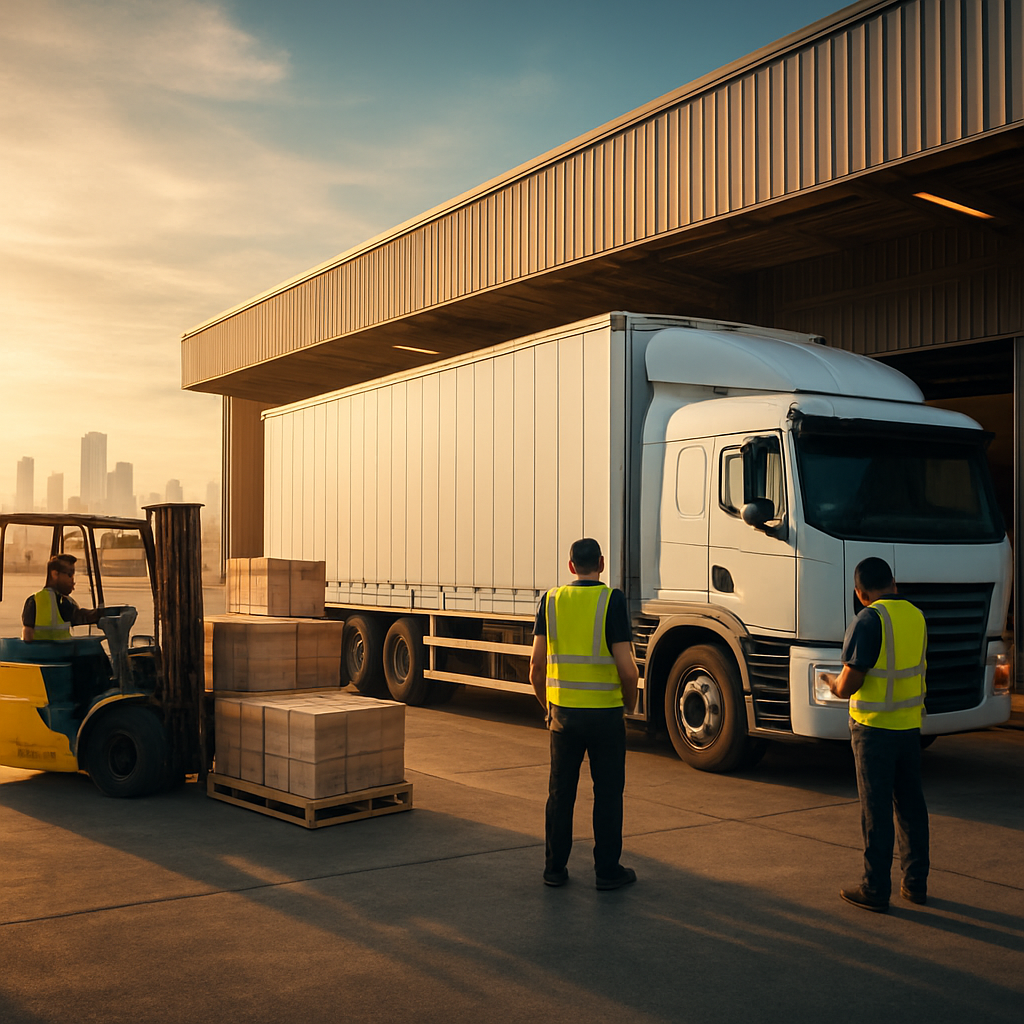
Understanding Road Freight Services in Australia: A 2026 Guide
Australian businesses are under pressure to move goods faster, more reliably and at a lower total landed cost. With road transport handling most non‑bulk domestic freight, understanding Road Freight in Australia is now a strategic necessity, not a back‑office task. This 2026 guide outlines five practical decision factors that help you choose the right partner, control risk and sharpen your competitive edge.
1. Match Service Types to Your Freight Profile
The first step is aligning service models with what you actually ship. Full truckload suits large, single-destination moves, while less-than-truckload works better for mixed, palletised freight travelling to multiple customers. Time-critical orders may need express or premium road freight transportation services, especially on capital city corridors. Regional and remote deliveries often rely on linehaul plus local agents, so clarify who handles the last mile and how performance is measured.
2. Understand Cost Drivers and Protect Your Margin
Fuel, labour, tolls and regulatory charges are all pushing up operating costs, and the end of fuel excise relief in 2026 will amplify this trend. When comparing freight transportation services, benchmark total landed cost rather than chasing the lowest base rate. Ask carriers how they manage fuel levies, backloading, route optimisation and consolidation to stabilise pricing. For multi-channel retailers and manufacturers, integrated logistics and shipping solutions can remove duplicate handling fees and improve vehicle utilisation.
3. Demand Reliability, Visibility and Network Reach
Extreme weather, congestion and roadworks are increasing disruption risks across key corridors. A reliable carrier combines a strong depot footprint with disciplined safety systems and route planning. Expect real-time tracking, proactive delay alerts and integration with your warehouse or eCommerce platforms so customers can self-serve updates. Businesses with complex domestic cargo delivery choices should seek operators with proven interstate freight transport services and contingency plans for diversions or mode shifts when highways close.
4. Prioritise Compliance, Safety and Liability Control
Heavy vehicle laws and chain of responsibility obligations mean you share legal exposure with your carrier. Working with non-compliant operators can lead to fines, delays and brand damage if incidents occur. Ask for evidence of NHVAS accreditation, audited fatigue management and ongoing driver training. Larger fleets offering commercial road shipping solutions should also be able to provide telematics data, incident reporting processes and regular safety performance reviews tailored to your risk profile.
5. Plan for Sustainability and Future Readiness
With freight volumes projected to keep rising, regulators and customers are increasing pressure on emissions and safety outcomes. Many fleets are trialling Euro 6 engines, biofuels and electric trucks on urban routes, while australian freight logistics solutions are digitising paperwork and using analytics to cut empty kilometres. When comparing road cargo delivery options, ask about their decarbonisation roadmap, technology investments and how they track environmental performance across truck-based cargo delivery.
- Clarify whether your provider can integrate road services with air and sea cargo delivery options under a single contract.
- Check if they can scale capacity quickly for seasonal peaks without compromising service levels.
- Confirm how they manage claims, insurance and proof-of-delivery data across all lanes.
- Assess their experience with business logistics and shipping for your specific sector, from FMCG to construction.
- Review independent analysis from Infrastructure Australia to benchmark network constraints and productivity opportunities at https://www.infrastructureaustralia.gov.au/ipl/high-productivity-freight-networks/road-freight.
To make sense of your current network, many organisations engage specialists to map lanes, benchmark rates and design commercial road shipping solutions that scale with demand. For businesses reviewing their mix of domestic cargo delivery choices and interstate freight transport services, expert advice on Road Freight in Australia can highlight hidden costs and service gaps before they hit your customers. If you are ready to pressure-test your routes, pricing and service performance, speak with our logistics specialists today to request a lane-by-lane review and a tailored road freight strategy for 2026 and beyond.

Related posts
Highway to Growth: The Economic Impact of Road Freight
Road freight plays a crucial role in the economic development of countries aroun
The Impact of Regulatory Changes on Australia’s Road Freight Industry
Australia’s road freight industry is undergoing significant transformation
Rising M1 Tolls Set to Boost Melbourne Freight Costs
As Victorian industry and the commuting public anticipate the official opening o
