




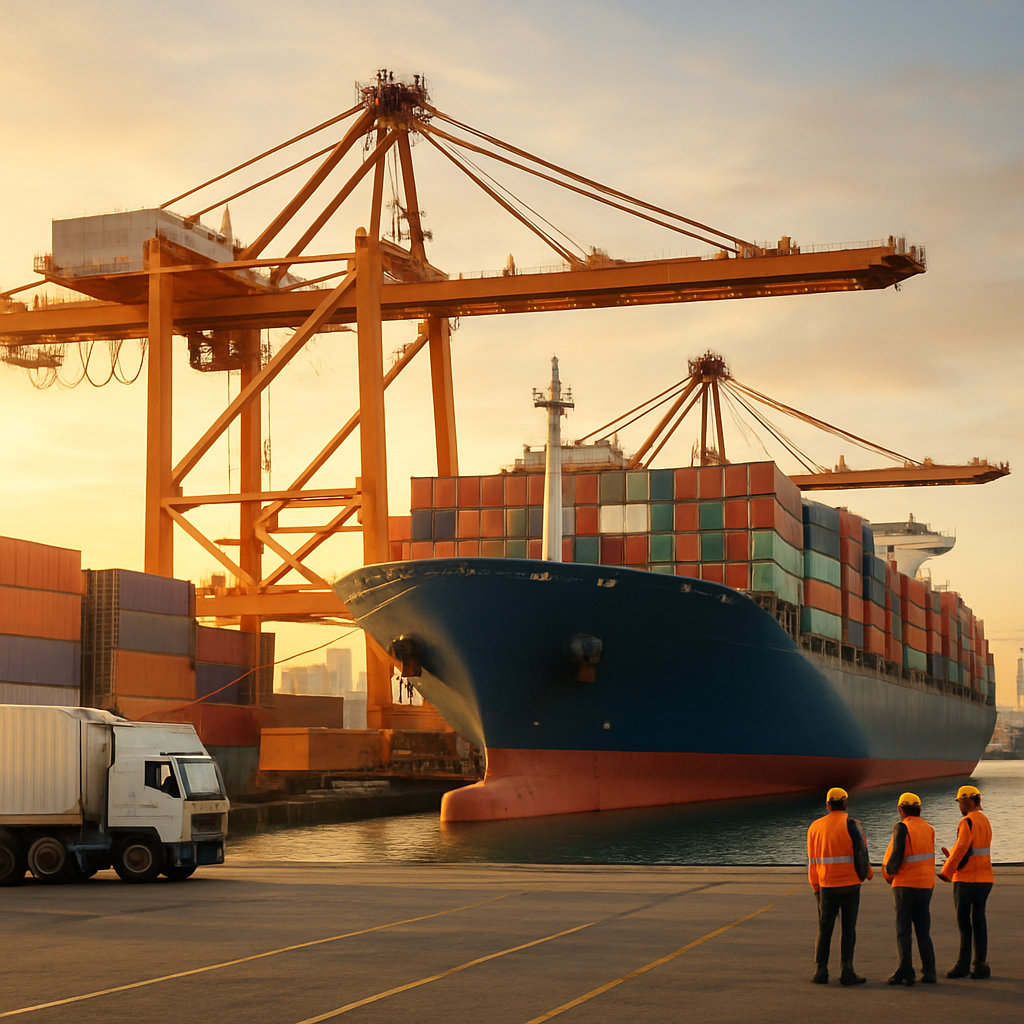
Understanding Sea Freight Shipping in 2026: The Ultimate Guide
Understanding Sea Freight Shipping in 2026: 7 Key Things Australian Shippers Must Know
Australian importers and exporters are facing a new era of uncertainty, with ocean shipping logistics shaped by overcapacity, shifting routes and tougher regulations. Understanding Sea Freight in Australia in 2026 is essential if you want predictable budgets, realistic transit times and fewer operational surprises. This listicle breaks down seven developments every supply chain manager should factor into tenders, contracts and international ocean freight planning over the next 12–18 months.
1. Rates Are Low, But Service Stability Is Fragile
Global carriers are battling overcapacity, with new vessels flooding key trade lanes and driving down average spot and contract rates. On paper this looks positive, yet frequent blank sailings and last-minute vessel swaps can disrupt carefully planned sea freight container solutions. Australian shippers chasing the absolute lowest price risk rollovers and missed connections. Building modest buffer time into schedules and spreading volumes across multiple container shipping options can protect margins when services change with little notice.
2. Environmental Rules Are Quietly Lifting Total Costs
While base ocean rates may fall, environmental surcharges and carbon compliance fees are trending upwards as new rules bite. Services touching Europe must now factor in the EU Emissions Trading System, while IMO greenhouse gas measures are tightening globally. Even australian container freight choices that never call Europe feel the flow-on cost as carriers rebalance their fleets. Procurement teams should scrutinise fuel and carbon surcharges line by line, and ask forwarders which low-emission service tiers are genuinely cost-effective export freight options.
3. Global Disruptions Are Blowing Out Transit Times
Geopolitical tensions and security incidents have pushed many services away from traditional chokepoints, adding weeks to round voyages. For Australian businesses relying on just-in-time inventory, this makes end-to-end ocean logistics far more complex. Safety stock strategies, dual-sourcing and flexible routing via alternative transhipment hubs are now basic risk controls, not nice-to-haves. Working with a forwarder able to rebook space quickly and provide real-time ocean shipment tracking can be the difference between a minor delay and a stockout.
4. Digitalisation Is Now a Competitive Necessity
Manual spreadsheets and email chains struggle to keep pace with today’s dynamic schedules and compliance rules. Modern platforms support instant quoting, lane comparison, emissions estimates and door-to-door container delivery modelling from a single dashboard. Businesses that embrace these tools gain faster decision cycles and clearer landed-cost visibility. As the IMO pushes towards standardised data exchange, shippers investing early in digital workflows will be better placed to streamline the customs documentation process and reduce avoidable delays at Australian ports.
5. Compliance and Documentation Risks Are Increasing
Australia’s strict biosecurity and customs environment means misdeclared cargo can trigger lengthy inspections, penalties or outright refusal. Automated screening now makes it easier for authorities and carriers to flag inconsistencies in sea freight customs paperwork. Common problem areas include incomplete commercial invoices, vague commodity descriptions and missing origin evidence. Engaging specialists familiar with sector-specific controls, hazardous goods rules and quarantine requirements reduces clearance risk and supports smoother Ocean shipping logistics during peak seasons and regulatory audits.
- Assess whether your current routing and service levels still match your stockholding and customer lead-time promises in 2026.
- Review contracts to ensure surcharges, detention and demurrage terms are transparent and benchmarked against prevailing market practice.
- Map where expert support could reduce risk, from dangerous goods bookings to complex sea freight container solutions across multiple trade lanes.
- Validate any sustainability claims against reputable guidance such as the International Maritime Organization’s decarbonisation updates at https://www.imo.org.
- Schedule a consultation with a specialist forwarder to stress-test your Sea Freight in Australia strategy before your next tender round.
If you’re navigating new trade lanes, juggling tight margins or expanding export volumes, now is the time to reassess your approach to Sea Freight in Australia. A specialist partner can help design resilient routings, manage complex customs documentation process steps and align your contracts with realistic, data-backed service expectations. Speak with an Australian sea freight specialist today to review your current lanes, identify quick wins and build a 2026-ready plan that supports reliable, compliant and scalable growth.

Related posts
Yang Ming Chiefs Deny Extra Bonus Amid Doubled Q1 Profits
Yang Ming has denied media reports that its chairman and GM, Cheng Cheng-mount a
Canal Issues Stir Global Shipping Disruption
More than 50 ships queued to cross the Panama Canal on a recent day—from tanke

Lower Volumes of Shipping Predicted
As the Ukraine war continues, lower volumes of shipping have been predicted due
