




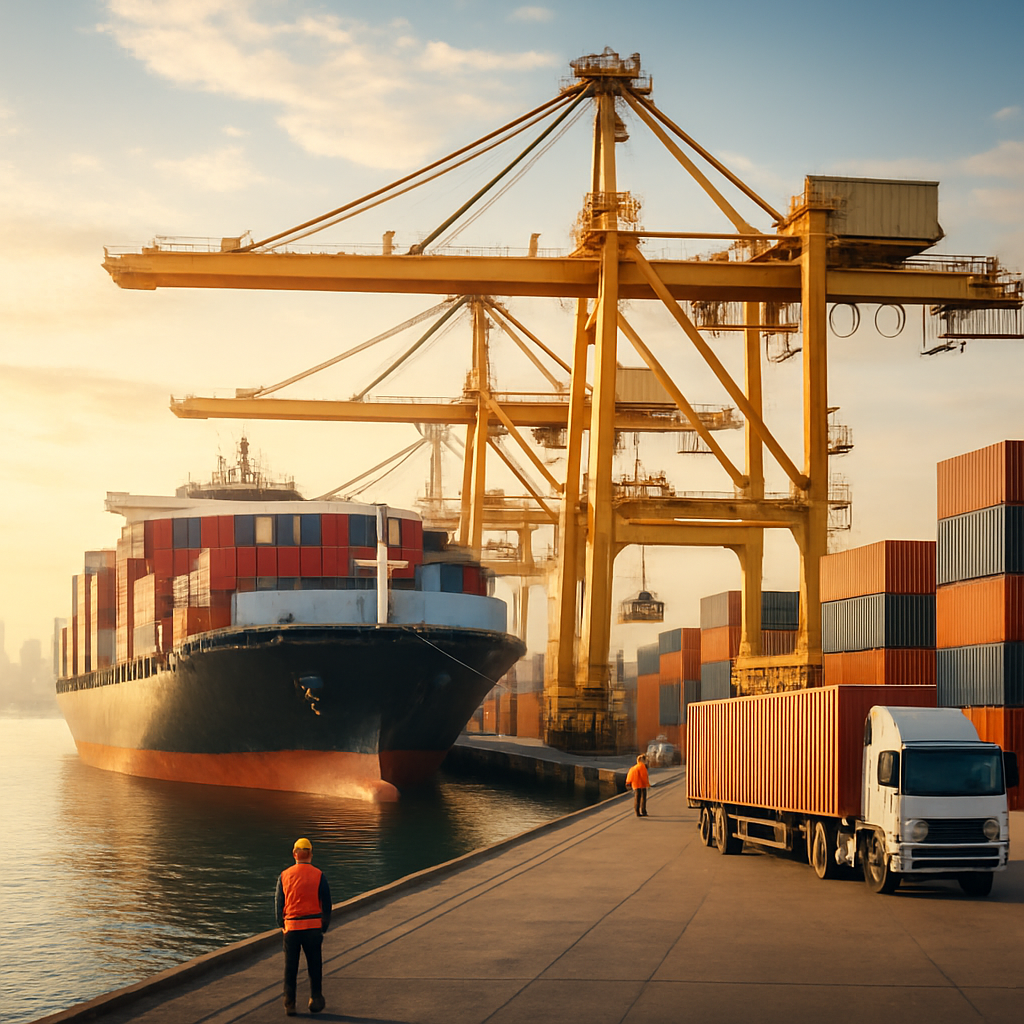
2026 Top Ocean Freight Forwarders: Who to Trust
Understanding the 2026 top ocean freight forwarders is essential for Australian importers and exporters seeking more than just the lowest rate. With supply chains still recalibrating after recent disruptions, decision-makers now value reliability, data-driven planning, and transparent service models that minimise total landed cost rather than headline freight charges alone.
Sea Freight in Australia: Competing on Reliability, Not Just Rates
In 2026, Sea Freight in Australia sits within a highly competitive global marketplace where the true differentiator is schedule performance and resilience. Leading providers leverage strong carrier alliances and refined ocean shipping logistics to prioritise on-time arrivals, reducing demurrage, detention, and emergency airfreight. For Australian shippers, this shift means evaluating partners on consistent outcomes, not occasional rate wins that expose the business to operational risk.
Top forwarders distinguish themselves by transparent performance metrics and proactive disruption management. Rather than waiting for delays to appear at the terminal, they use international ocean freight planning tools and live carrier data to re-route or re-book intelligently. This approach supports better inventory planning, more dependable customer lead times, and a stronger negotiating position with suppliers and buyers.
- Consistent schedule reliability supported by preferred carrier and alliance partnerships.
- Integrated digital platforms delivering real-time visibility and predictive alerts.
- In-house experts managing the customs documentation process for Australian-bound cargo.
- Smarter container shipping options aligned to service needs, not just rate levels.
- Structured, data-backed reporting on transit performance and exception trends.
Technology, Visibility, and Process Discipline
Where many providers still rely on manual updates, 2026 leaders combine advanced tracking with disciplined operational processes. Shippers can view end to end sea freight logistics on a single platform, from origin pick-up to arrival at Australian ports and final delivery. Exception alerts, milestone confirmations, and secure document sharing reduce administrative effort and improve auditability.
Local Expertise for Australian Container Freight Choices
For Australian businesses, the most valuable partners pair global reach with deep domestic understanding of ports, infrastructure, and industry-specific needs. This includes guidance on australian container freight choices, port congestion trends, and the practical realities of door to door container delivery into regional destinations. Local teams translate global network capabilities into reliable, context-aware solutions.
- Clear breakdowns of cost effective ocean freight versus faster premium services.
- Support with sea freight customs paperwork and shipping documents for export.
- Step-by-step guidance on import customs clearance steps at major Australian gateways.
- Scenario modelling across multiple container shipping options and sailing windows.
- Reference to independent benchmarks, such as the World Bank’s Logistics Performance Index at https://lpi.worldbank.org, to contextualise network quality.
When comparing providers, look for tangible evidence of performance, not generic claims. Ask for on-time statistics by trade lane, samples of tracking dashboards, and detailed process maps covering booking, documentation, and exception handling. By doing so, you will quickly see which forwarders genuinely manage risk and which simply pass carrier updates through. To choose a partner that protects your timelines, working capital, and customer relationships, engage their team, test responsiveness, and request a structured proposal outlining how they will manage your ocean shipping logistics from first booking to final delivery.

Related posts

Near-Normal Water Levels Boost Panama Canal Ship Transits
The Panama Canal’s freshwater reservoirs are entering summer at close to norma

Battery-Powered Ships funded By Norwegian Government
The Norwegian government was to reach net zero carbon emissions across all indus
How Logistics Companies Are Coping With Covid-19
When you say the word “Covid-19” in the logistics companies, most freight fo
