




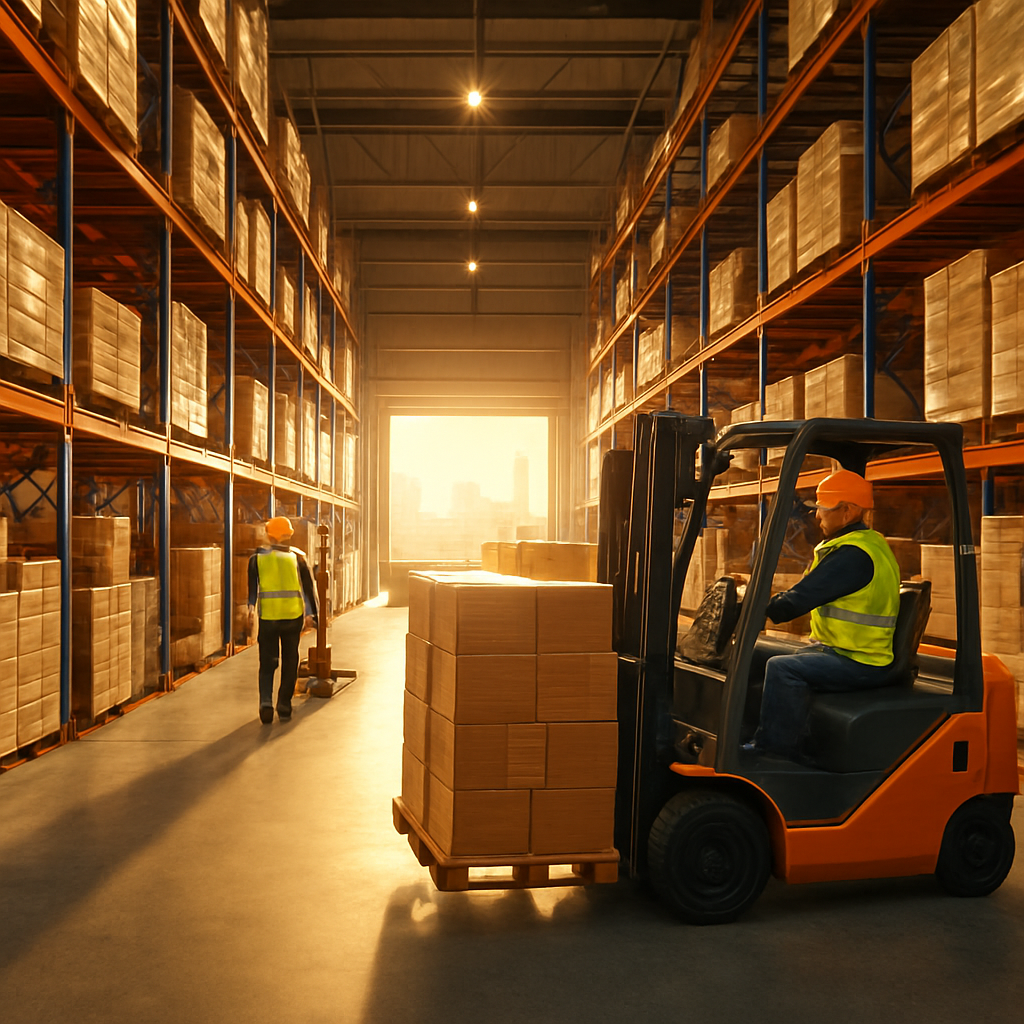
Understanding Australian Warehousing Services: A 2026 Guide
Australian businesses are under pressure to deliver faster, cheaper and greener – and the right Warehousing in Australia can make or break that ambition. As local and imported goods flow through increasingly complex networks, decision-makers are looking for partners who combine location, technology and expertise into a single, accountable service.
1. Strategic Locations That Cut Lead Times
For manufacturers, importers and online retailers, warehouse location directly drives freight costs, delivery speed and customer experience. National networks positioned near ports, capital cities and emerging infrastructure projects support superior supply chain efficiency for both metro and regional deliveries. A provider that can rebalance stock between hubs ahead of peak season reduces backorders, express surcharges and customer complaints.
2. Integrated 3PL and Fulfilment Capability
Modern operators are moving beyond basic warehouse inventory storage to provide picking, packing, kitting, returns handling and customisation services under one roof. This integrated logistics and warehousing approach eliminates handovers between multiple vendors and simplifies your logistics management solutions. It also creates a single source of truth for orders, stock and freight exceptions, giving operations teams more control with fewer emails and spreadsheets.
3. Technology-Driven Visibility and Control
AI-enabled warehouse management systems now underpin real-time supply chain visibility, scanning accuracy and analytics-led planning. When your provider’s WMS connects cleanly to e-commerce and ERP platforms, your team gains early warning on low stock, slow movers and peak bottlenecks. These insights inform end-to-end logistics planning and help leaders decide when to shift inventory storage options, carriers or cut-off times ahead of promotional events.
4. Scalability for Peaks and Growth
Australian retailers now navigate wild order swings around Black Friday, Christmas, and EOFY. Providers offering flexible warehousing options – shared facilities, variable pallet rates and on-demand labour – let you ramp capacity quickly without long leases. This agile model supports cost-effective storage solutions for smaller brands, while still accommodating high-volume campaigns and new channel launches.
5. Sustainable and Compliant Operations
Boards increasingly expect logistics strategies to support emissions reductions and robust risk controls. Leading warehouses are adopting solar power, energy-efficient fittings and smarter transport planning backed by data from resources like the Australian Government’s National Greenhouse Accounts at https://www.dcceew.gov.au/climate-change/emissions-reporting/national-greenhouse-accounts. At the same time, strong safety systems, chain of responsibility compliance and traceable audit trails protect brands during recalls and investigations.
- Evaluate how outsourced warehousing management could consolidate your current providers.
- Compare each operator’s network design, including regional coverage and port access.
- Check WMS integration capability and reporting tools before signing long-term contracts.
- Assess sustainability credentials, safety certifications and documented compliance processes.
- Clarify SLAs for peak volumes, value-added services and supply chain optimisation services.
For businesses ready to benchmark their network, a specialist partner in Warehousing in Australia can provide scenario modelling, cost-to-serve analysis and practical roadmaps. Whether you need cost-effective storage solutions, new warehouse inventory storage or a full redesign of your supply chain, expert advice turns complexity into competitive advantage. Enquire today to speak with a local logistics specialist, review your current footprint and design a future-fit warehousing strategy that supports sustainable growth.

Related posts

The Role of Warehousing in Australia’s Growing E-commerce Market
Australia’s e-commerce market has seen explosive growth in recent years, f
Australia’s Growing Demand for Temperature-Controlled Warehousing
Australia’s cold storage industry is experiencing a significant upswing, d
Freight Market News for the upcoming October
The Golden week holidays is upcoming since 01st Oct to 08th Oct, total 8 days. C
