




Inland Rail Progress Update: How Australia’s Largest Freight Project Will Impact Businesses
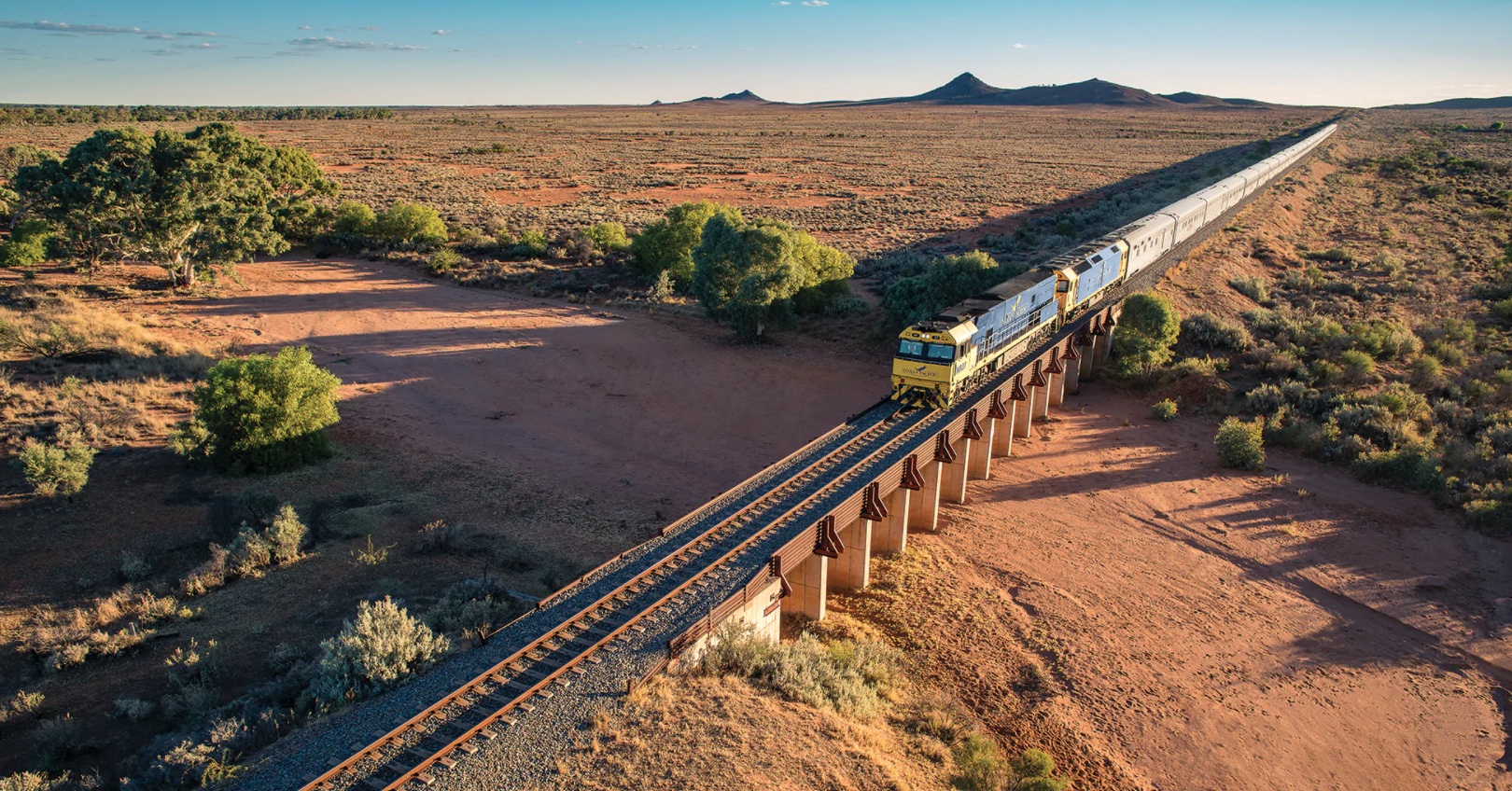
Among major Australia rail projects, Inland Rail has attracted more attention than most because of its scale, ambition, cost, and potential impact on freight movement. The project was originally promoted as a 1,600km inland freight corridor connecting Melbourne and Brisbane through regional Victoria, New South Wales, and Queensland.
Why Inland Rail Matters in Australia’s Freight Network
Inland Rail is more than another infrastructure announcement. It is designed as a major freight spine through eastern Australia, connecting existing rail routes, regional production zones, ports, and intermodal terminals.
The project involves upgrading roughly 1,000km of existing track and building around 600km of new track. Its broader purpose is to make rail more competitive with road on major interstate freight lanes, particularly for high-volume containerised goods, food, agricultural products, manufacturing inputs, and domestic retail freight.
Current Inland Rail Progress and 2027 Priorities
The most important recent update is that Inland Rail is being consolidated around the section from Beveridge in Victoria to Parkes in New South Wales, with completion targeted by the end of 2027.
For freight users, this does not mean the project is irrelevant. In fact, the Beveridge-to-Parkes corridor could become a major early milestone because Parkes is already a strategic freight junction. From Parkes, freight can connect toward Perth, Adelaide, and the East Coast through existing ARTC network connections.
The practical impact is that businesses should treat Inland Rail as a phased opportunity rather than a single “wait until Melbourne-to-Brisbane is finished” event. The first major commercial benefit may come from improved double-stacked train access across the southern and central parts of the network.
That distinction matters. A retailer with distribution in Melbourne, a manufacturer moving stock inland, or an agribusiness consolidating freight around regional NSW may see benefits earlier than a company waiting specifically for the full Brisbane connection.
What the Project Changes for Rail Freight Users
A major selling point of Inland Rail is its ability to support double-stacked freight trains. Double-stacking allows containers to be placed one above another on suitable trains and corridors, increasing capacity per service.
The project is also expected to improve transit competitiveness. Inland Rail’s public materials have long pointed to the goal of reducing Melbourne-to-Brisbane rail freight travel time from about 33 hours to less than 24 hours once the full corridor is delivered. While the full route remains subject to staged decisions, the direction is clear: faster, higher-capacity rail is intended to compete more directly with road freight.
Another key issue is the role of intermodal freight terminals. Rail rarely works in isolation. Goods still need to move from factory, farm, port, warehouse, or retail distribution centre to the rail terminal, and then onward at the other end. Business owners should therefore assess Inland Rail not only by the track alignment, but by terminal access, trucking connections, warehouse positioning, and total door-to-door cost.
Business Impacts by Sector
The impact of Inland Rail will vary by industry, but several sectors stand out.
For agriculture and food producers, better inland freight connectivity could support more efficient movement from regional production areas to capital city and export markets. Grain, cotton, meat, chilled food, packaged food, and other bulk or containerised commodities may benefit where rail schedules, terminal access, and volumes align.
For retail and FMCG businesses, the benefit is more likely to come through linehaul efficiency. Everyday goods, household products, packaged foods, and store replenishment freight often move in predictable volumes. If rail can offer reliable service windows and competitive pricing, companies may use it to reduce dependence on long-haul trucking.
For manufacturers, Inland Rail may support inbound and outbound freight planning. Raw materials, components, packaging, finished products, and export containers could all benefit from improved freight corridor options.
For exporters, the value depends on how Inland Rail connects to ports and intermodal terminals. A stronger inland rail network can help reduce bottlenecks, but businesses still need to model port cut-off times, container availability, rail schedules, and last-mile delivery.
How Businesses Can Prepare for Inland Rail
Business owners considering rail freight should begin with a freight lane audit. Identify which routes involve high-volume, repeatable, long-distance movements. Rail generally becomes more attractive when freight is predictable, consolidated, and less dependent on urgent same-day delivery.
The next step is to review proximity to current and proposed intermodal terminals. A company located near a suitable terminal may have a stronger business case than one that requires long road legs at both ends.
Businesses should also speak with rail freight providers about service frequency, equipment availability, container compatibility, transit times, cut-off windows, and contingency planning. Inland Rail may increase network capacity, but commercial value still depends on the service model offered by operators.
Conclusion
Inland Rail remains one of the most consequential Australia rail projects for freight-dependent businesses, even as its delivery has become more staged and politically scrutinised. The immediate focus on Beveridge to Parkes by 2027 gives business owners a clearer near-term planning point, particularly for freight moving through Victoria, regional NSW, Perth, Adelaide, and wider East Coast connections.
FAQs
- Is Inland Rail still going ahead?
Yes. Inland Rail is still progressing, but it is being delivered in stages. The current priority is completing the Beveridge-to-Parkes section by the end of 2027, while future sections north of Parkes remain subject to further decisions, approvals, and planning.
- How will Inland Rail help Australian businesses?
Inland Rail may help businesses by increasing rail freight capacity, improving access to regional freight corridors, supporting double-stacked trains, and creating more options for long-distance supply chains. It is especially relevant for companies moving high-volume freight.
- Which businesses are most likely tobenefitfrom Inland Rail?
Agriculture, food production, FMCG, retail, manufacturing, export logistics, warehousing, and freight forwarding businesses are among the sectors most likely to benefit, especially where freight volumes are regular and suited to rail.

Related posts
Panama Canal Challenges for Box Ships Less Severe, But Costs Rising
Containerships are proving less vulnerable to Panama Canal draught restrictions
Adapt and Overcome: The Future of Shipping
Are changes permanent? Essentially, no. Companies are thrown various obstacles,

U.S. Trade Deficit Widened to Record Lows as Imports Rebound
The U.S. trade deficit widened to a record low in August as American consumers c
