




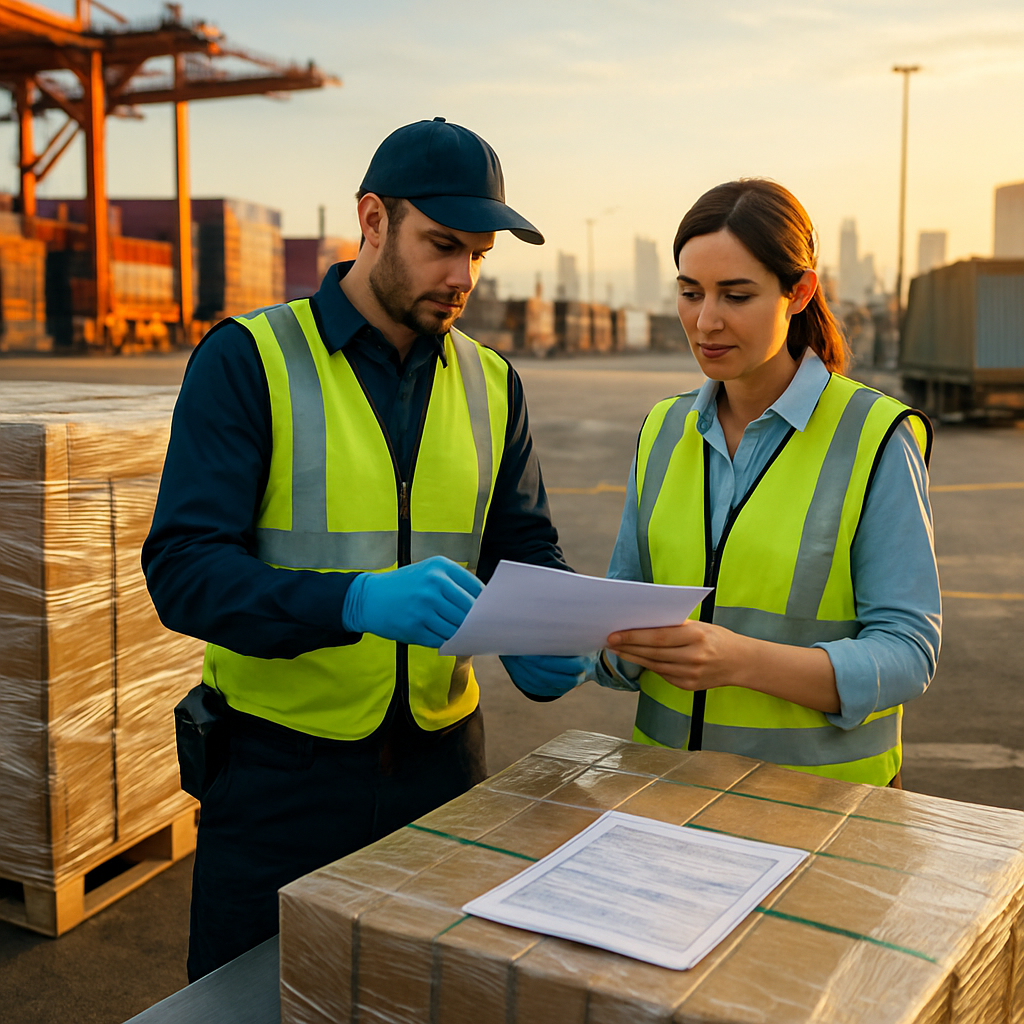
Understanding Customs Clearance in Australia: A 2026 Guide
Australian importers are entering 2026 under pressure from rising freight costs, tighter biosecurity rules and closer scrutiny at the border. Understanding Customs Clearance in Australia is now a core operational issue, not an afterthought for when cargo lands. This guide breaks down the essentials, helping businesses reduce delays, avoid penalties and strengthen supply chain planning.
1. Understand the Key Border Agencies
The Australian Border Force (ABF) focuses on tariffs, duty assessment, cargo risk and enforcement, while the Department of Agriculture, Fisheries and Forestry (DAFF) manages quarantine and biosecurity rules for imported goods. If you handle food, timber, seeds or animal products, DAFF will be central to your clearance strategy. Mapping how their roles intersect with import export regulations is the first step in building realistic timelines and budgeting for potential inspection costs.
2. Master Classification, Valuation and Duties
Correct HS tariff classification underpins the entire customs documentation process. Misclassification or under-valuation can trigger audits, reassessments and financial penalties, and in severe cases, seizure of cargo. Importers should maintain written classification rationales, especially where free trade agreements or concessions apply. Aligning classification data across finance, logistics and procurement teams supports Australian import export compliance and gives decision-makers clear visibility of true landed costs.
3. Tighten Your Documentation and Record-Keeping
Most avoidable delays stem from incomplete or inconsistent paperwork at lodgement. A robust Australian customs documentation checklist should cover commercial invoices, packing lists, bills of lading or air waybills, permits, certificates and any treatment records. Details must match precisely across documents, including weights, quantities, product descriptions, tariff codes and values. Getting these right the first time shortens border clearance documentation steps and limits the risk of manual intervention or container holds.
4. Factor in Biosecurity and Inspection Risk
Australia’s biosecurity rules for imported goods remain among the strictest globally, with DAFF prioritising pests, soil contamination and disease threats. High‑risk commodities such as used machinery, wooden packaging, grain, plants and animal products attract targeted inspection profiles. Importers should budget for possible treatments, fumigation, re‑export or destruction if standards are not met. Building biosecurity into procurement specifications and supplier contracts is now a crucial part of international shipping compliance.
5. Use Brokers, Forwarders and Technology Strategically
For many SMEs, partnering with an experienced freight forwarder and licensed customs broker is the most efficient way to manage trade compliance and customs. These specialists manage lodgements, interpret customs regulations for importers and coordinate with terminals, depots and inspection facilities. Integrated digital platforms then provide status updates, document storage and audit trails, helping importers align with international freight compliance rules and respond quickly when ABF or DAFF request extra information.
- Review export documentation requirements Australia if you also ship outbound freight.
- Train staff on border clearance documentation steps and escalation processes.
- Audit suppliers against Australian import export compliance obligations annually.
- Benchmark your internal controls against government guidance on trade compliance and customs.
- Monitor ABF and DAFF updates and refer to official advice on the ABF website for current rules.
Businesses that plan early for Customs Clearance in Australia are better placed to control costs, meet customer deadlines and protect their brand from compliance breaches. If your team is grappling with complex cargo profiles, evolving customs regulations for importers or repeated delays at the terminal, it may be time to engage a specialist advisory and brokerage partner. Speak with our customs and logistics team today to review your current processes, identify risks and secure a tailored strategy for smoother border movements in 2026 and beyond.

Related posts
US Crackdown on Chinese E-Commerce Impacts Customs Brokers
A crackdown by the US Customs & Border Protection (CBP) agency and a large s
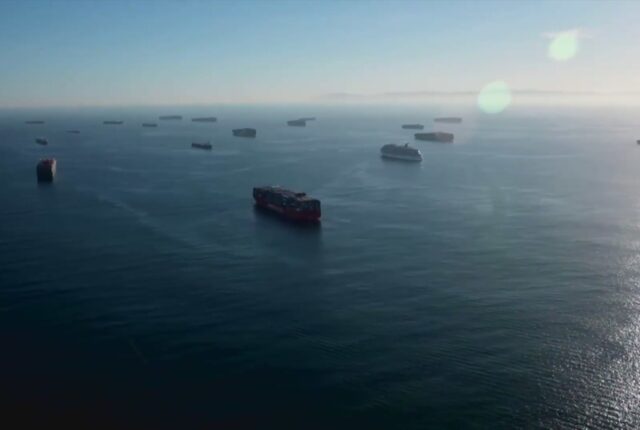
Container Shipping Congestion in L.A.
Due to the huge amount of container shipping congestion in L.A., sailing ar
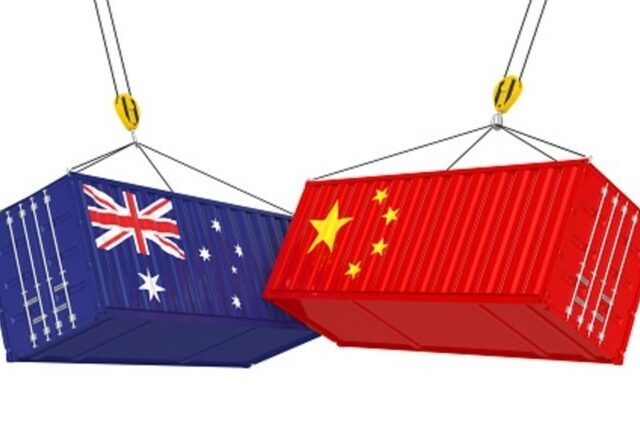
Chinese Export tariffs on Australian Businesses
It is no hidden secret that there have been rising tensions between China and Au
