




Understanding Domestic Coastal Shipping in Australia: A Guide
Understanding domestic coastal shipping in Australia is becoming essential for businesses looking to control costs, cut emissions and improve supply chain resilience. As road congestion worsens and rail capacity tightens, more shippers are assessing sea-based interstate shipping services as a strategic alternative for moving freight between major ports and regional centres.
1. What Is Domestic Coastal Shipping in Australia?
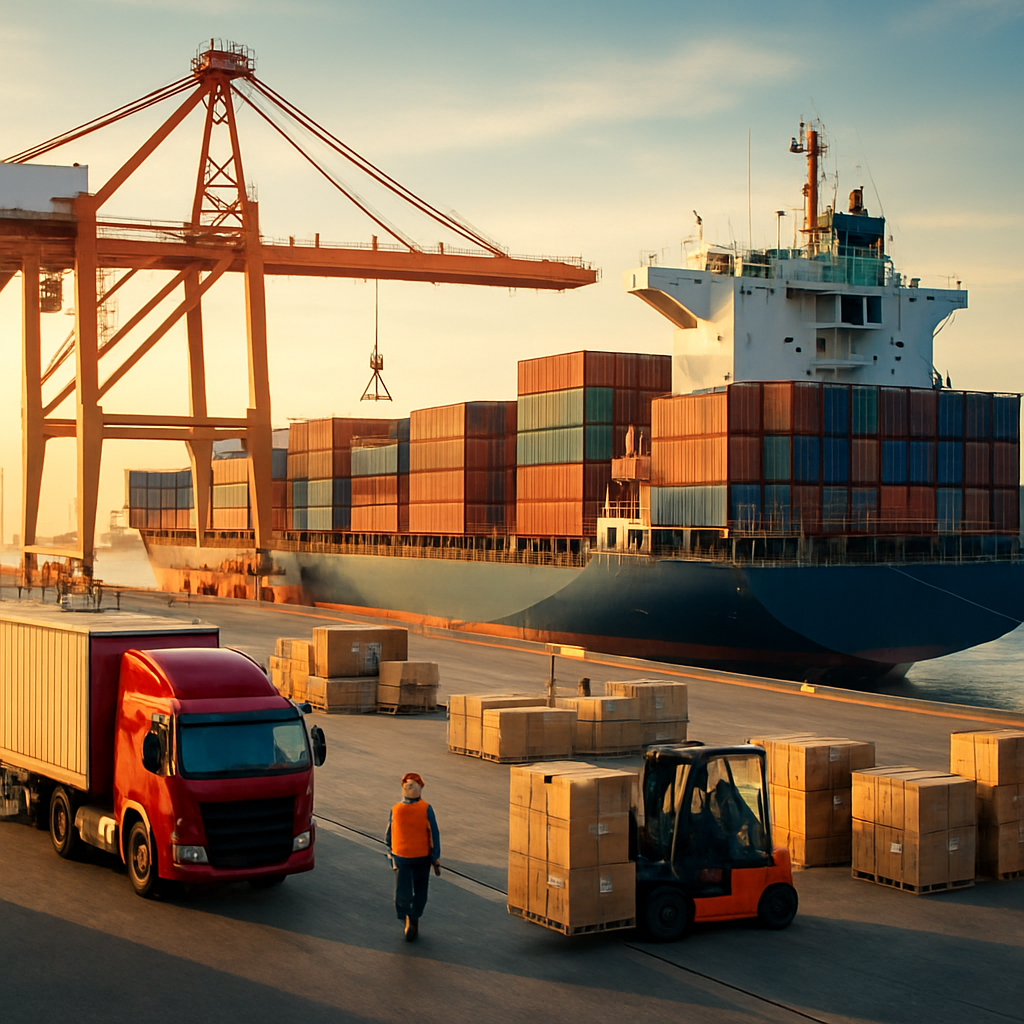
Domestic coastal shipping in Australia involves moving goods by sea between local ports such as Sydney, Melbourne, Brisbane, Perth and Adelaide. It is particularly suited to bulk commodities, containers and project cargo that do not require overnight delivery. For many operators, it offers a middle ground between slower international services and road transport, with coastal freight solutions helping smooth seasonal demand and reduce reliance on long-haul trucking.
2. The Regulatory Framework You Need to Know
The sector is governed by the Coastal Trading (Revitalising Australian Shipping) Act 2012, which sets out licence requirements for vessels operating between Australian ports. This framework influences service availability, routes and pricing, making it vital for supply chain managers to understand how it shapes domestic interstate freight options. Staying across these rules helps businesses compare like-for-like offers and avoid unexpected compliance or documentation delays.
3. Supply Chain Benefits and Cost Pressures
For shippers moving large, time-flexible volumes, sea transport can provide cost-effective interstate freight compared with linehaul road, especially on long east–west or north–south legs. A single vessel can replace hundreds of truck movements, easing pressure on local delivery options around ports and distribution centres. Businesses often use coastal legs as part of a broader multimodal strategy that blends road, rail and sea for reliability and margin protection.
4. Environmental and Safety Upside
Per tonne-kilometre, ships generally produce fewer greenhouse gas emissions than heavy vehicles, supporting ESG reporting and decarbonisation targets. According to the International Maritime Organization, well-managed coastal shipping can materially reduce freight emissions intensity while maintaining capacity. This makes domestic coastal shipping in Australia attractive to companies under pressure to cut Scope 3 emissions and demonstrate safer, lower-risk transport practices to boards and investors.
5. Operational Challenges to Navigate
Despite its advantages, the mode is not without constraints. Port congestion, limited berthing windows and industrial action can affect schedule reliability and coastal shipping delivery choices. Inland logistics must also be coordinated carefully, with stevedores, transport operators and local coastal freight providers aligned on cut-off times and container availability. These factors underline the value of working with a partner experienced in end-to-end coastal freight planning and execution.
- Confirm that your volumes and lead times suit interstate coastal delivery routes rather than urgent express road services.
- Check whether your customers can accept slightly longer transit times in exchange for lower landed costs.
- Map how an integrated coastal freight network could dovetail with existing depots and distribution centres.
- Review how coastal freight aligns with your sustainability roadmap and public emissions commitments.
- Assess how interstate port-to-door services can reduce handling, damage risk and administrative complexity.
Choosing an experienced specialist such as Domestic & Coastal in Australia helps businesses translate these considerations into practical shipping strategies and implementation plans. A capable partner can model scenarios, compare modes and identify which lanes are best suited to sea transport. For background on broader maritime trends and regulation, the Australian Maritime Safety Authority provides authoritative guidance at https://www.amsa.gov.au/.
If rising transport costs, driver shortages or sustainability targets are stretching your supply chain, now is the time to reassess your use of domestic coastal shipping in Australia. Review your high-volume lanes, identify freight that is less time-sensitive and test coastal services on a pilot basis. Then speak with a specialist team to design a tailored solution that blends sea, road and rail for resilience. Enquire today to request a detailed coastal shipping assessment and obligation-free quote for your network.

Related posts
Los Angeles: More Empty Containers than Full Containers!
Over the past few years, the Los Angeles and Long Beach port has been the primar
Shipping Containers Keep Growing in Size
An estimated 90% of the world’s goods are transported via sea freight services

Only 35% of Shipping Giants Aim To Be Zero Carbon
Latest statistics report that only 35% (33 out of 94) of the major global shippi
