




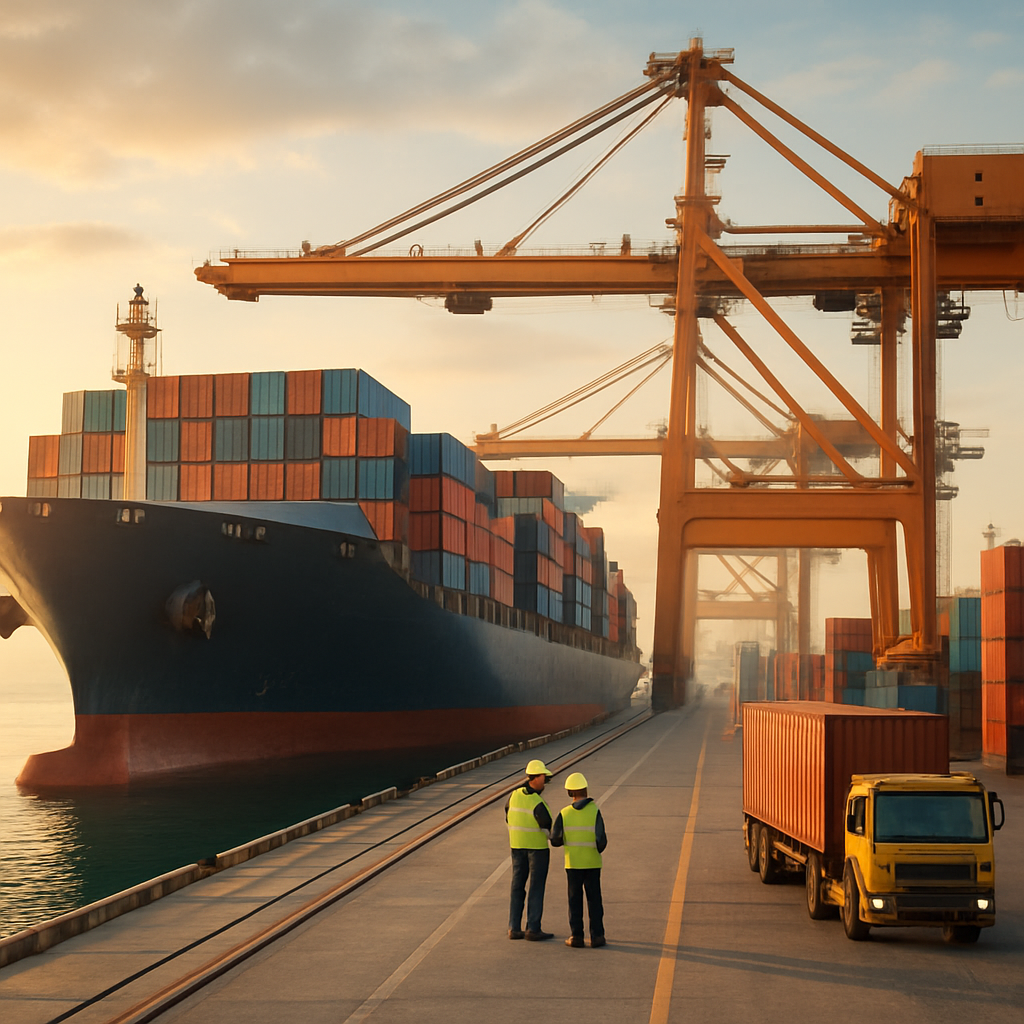
Ocean Freight Basics: A Comprehensive Guide for Businesses
Ocean Freight Basics for Businesses in Australia are increasingly under scrutiny as trade volumes rise and supply chains become more complex. Many exporters and importers still treat sea freight as a low-risk, low-priority function, only noticing problems when containers are delayed or costs spike unexpectedly. Yet the way a business manages its international ocean freight logistics can quietly erode margins, damage customer relationships, and undermine growth plans.
- Unclear total landed costs on regular shipments
- Frequent delays at major ports such as Sydney or Melbourne
- Confusion over sea freight customs requirements and compliance
- Limited visibility across Ocean shipping logistics partners
- Reactive responses to schedule changes and capacity shortages
Understanding Ocean Freight Basics for Businesses in Australia
Australia’s distance from key markets means ocean freight is not just an option; it is a lifeline for exporters of minerals, agriculture, and manufactured goods. However, many firms underestimate the planning required to manage Container shipping options and routes to Asia, North America, and Europe. Without a clear strategy, decisions about carriers, transit times, and port selection become ad hoc, leading to inconsistent service levels and rising operational risks over time.
Where Problems Commonly Appear in Ocean Freight Operations
Operational issues often surface first as unexplained delays or unexpected charges on invoices. Businesses may discover that incomplete export customs clearance documents or poorly managed import customs paperwork steps have triggered holds at customs. Others face rolled cargo during peak seasons when sea freight container choices were not locked in early. These symptoms typically signal deeper gaps in planning, forecasting, and coordination with australian container shipping services and inland transport providers.
The Hidden Cost and Risk of Poor Ocean Freight Management
Beyond visible demurrage and detention fees, poorly controlled Sea Freight in Australia can cause stock-outs, missed delivery windows, and strained relationships with overseas buyers. Overreliance on the cheapest quote, without assessing reliability or tracking capabilities, undermines cost-effective container freight in the long term. In industries with tight margins, a pattern of late shipments or damaged cargo can weaken competitiveness, especially when competitors have invested in more robust end-to-end ocean freight logistics arrangements.
Documentation, Compliance and Capacity Pressures
Many Australian businesses still treat the Customs documentation process as a final paperwork step rather than a strategic risk area. Incomplete or inconsistent details on bills of lading, packing lists, or certificates of origin can trigger inspections and delays. As weather events, industrial action, and global schedule disruptions intensify, capacity constraints also make it harder to secure reliable sea freight container choices at short notice. The Australian Government’s official trade guidance on export procedures via https://www.austrade.gov.au/ underscores the importance of getting these foundations right.
Warning signs include recurring questions from freight forwarders about missing data, frequent shipment re-bookings, and growing administrative time spent chasing updates. Businesses lacking a clear framework for Ocean Freight Basics for Businesses in Australia may be missing opportunities to streamline Ocean shipping logistics and negotiate stronger service commitments. Now is the time to review your processes, clarify responsibilities, and seek expert guidance to strengthen Sea Freight in Australia before minor inefficiencies become costly disruptions. Consider speaking with a logistics specialist to audit your current workflows, identify bottlenecks, and build a more resilient approach to global trade.

Related posts

Fund-and-Reward Carbon Emissions Program
A new Fund-and-Reward carbon emissions program is the brainchild of the Internat
China Trade Bottleneck Worse than the Suez Canal Fiasco?
When the giant container ship the MV Ever Given wedged itself across the Suez Ca
Container Terminal Landside Fees – Timing Updates
Last week (9 Oct), the Victorian Department of Transport & Planning (DTP} an
